#대한민국 수장들의 충격적 몰락 현직 대통령 구속까지
The Crisis Begins: When National Chiefs Faced Constitutional Turmoil
"The longest two and a half hours in a nation's history" – On December 3, 2023, South Korea was thrust into unprecedented chaos when President Yoon Suk Yeol suddenly declared martial law. This dramatic decision would shake the very foundations of Korean politics and lead to a series of events that would reshape the nation's political landscape.
The Shocking Declaration
President Yoon, as the chief executive of the nation, made the extraordinary announcement citing concerns about "pro-North Korea anti-state forces." This decision immediately sent shockwaves through the country's political establishment and civil society. The timing and justification for such a drastic measure raised immediate questions among both domestic and international observers.
Swift Parliamentary Response
The National Assembly, where opposition chiefs held significant influence, demonstrated remarkable efficiency in responding to this crisis. Within just two and a half hours, they convened an emergency session and passed a resolution demanding the immediate lifting of martial law. This rapid response highlighted the strength of South Korea's democratic institutions and the system of checks and balances.
Immediate Aftermath
The consequences of this brief but significant period were far-reaching:
- Opposition leaders and civic groups filed formal complaints
- Multiple investigative bodies launched inquiries
- The president faced unprecedented legal challenges
- Various institutional chiefs began mobilizing their resources for what would become a historic investigation
Historical Significance
This event marked the first time in South Korean history that the various chiefs of state institutions found themselves in such direct confrontation. The crisis demonstrated both the fragility and resilience of democratic systems, as different branches of government worked to maintain constitutional order during an unprecedented political emergency.
The reverberations of these two and a half hours would continue to shape South Korean politics, leading to a series of events that would test the nation's democratic foundations to their very core.
The Unprecedented Arrest of Chiefs: A Historic Crisis Unfolds
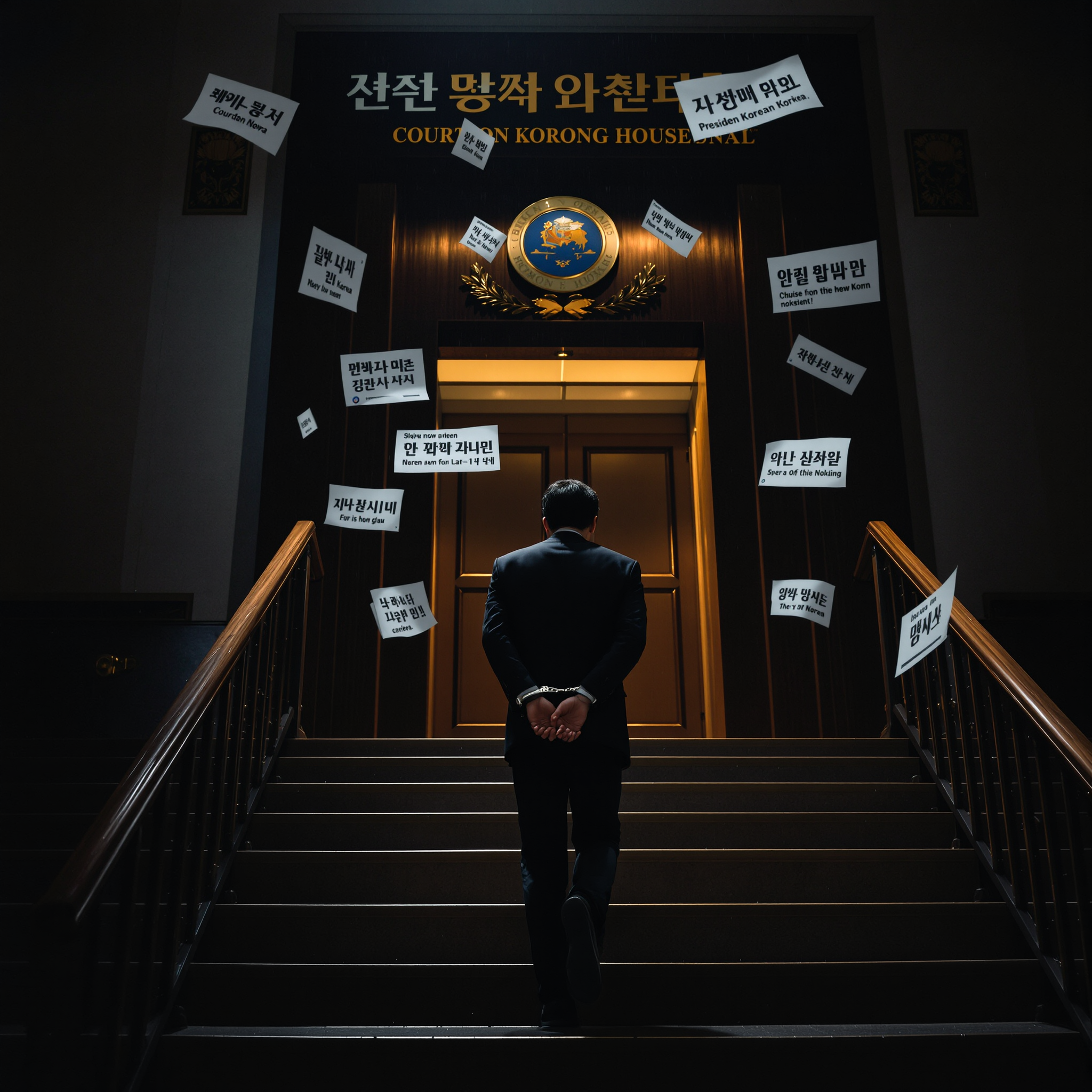
In a shocking turn of events that will forever mark South Korean history, President Yoon Suk Yeol became the first sitting president to be arrested. Let's examine how this extraordinary situation unfolded, putting the nation's highest-ranking chiefs in an unprecedented crisis.
The Fateful Declaration
On December 3, 2023, President Yoon made a decision that would dramatically alter his presidency. His declaration of martial law, intended to "eradicate pro-North Korea anti-state forces," lasted merely two and a half hours before being struck down by the National Assembly. This brief yet consequential action set in motion a chain of events that would lead to his downfall.
The Investigation Begins
Following the martial law incident, various chiefs of investigative bodies sprang into action:
- The prosecution launched a thorough investigation
- The Corruption Investigation Office for High-ranking Officials began their own probe
- Multiple summons were issued, which the president initially refused
The Path to Arrest
The situation escalated rapidly as:
- Opposition parties filed formal complaints
- A travel ban was imposed on the president
- Investigation chiefs gathered compelling evidence
- An unprecedented arrest warrant was issued
Impact on Leadership Structure
The arrest created a power vacuum that needed immediate addressing:
- Prime Minister Han Duck-soo assumed acting presidential duties
- Various department chiefs scrambled to maintain governmental stability
- A constitutional crisis emerged as the nation grappled with this unprecedented situation
This historic event has fundamentally changed the landscape of South Korean politics, demonstrating that even the highest chiefs of state are not above the law. The repercussions of this crisis continue to reverberate through the nation's political, legal, and social spheres.
The Pivotal Role of Acting President Han Duck-soo Among Crisis Chiefs
In the midst of South Korea's unprecedented political turmoil, Prime Minister Han Duck-soo has emerged as a crucial figure among the nation's chiefs, shouldering the weighty responsibility of acting president. His sudden elevation to this role has placed him at the center of a complex political landscape that demands both diplomatic finesse and decisive leadership.
Constitutional Authority and Immediate Challenges
As acting president, Han finds himself navigating a delicate balance between:
- Maintaining governmental stability
- Managing ongoing investigations
- Coordinating with various administrative chiefs
- Preserving diplomatic relationships
Balancing Political Pressures
The position of acting president brings unique challenges for Han:
- Facing scrutiny from both ruling and opposition parties
- Responding to police summons regarding martial law implementation
- Managing day-to-day governmental operations
- Ensuring continuity in national security matters
Strategic Leadership Approach
Han's leadership style as acting president has been marked by:
- Careful consideration of constitutional boundaries
- Transparent communication with other institutional chiefs
- Emphasis on maintaining governmental stability
- Focus on essential administrative functions
Despite the ongoing investigations and political tensions, Han Duck-soo's role as acting president represents a critical stabilizing force in South Korea's current political crisis. His ability to coordinate with various chiefs of state institutions while maintaining governmental function has become increasingly important as the nation navigates through these unprecedented circumstances.
The Investigation Chiefs: Pursuing Truth Through Institutional Leadership
In the wake of South Korea's unprecedented martial law crisis, two prominent investigation chiefs have emerged as central figures in the pursuit of truth: Park Se-hyun and Lee Jae-seung. Their unwavering commitment to thorough investigation has become a cornerstone of this historical case.
Steadfast Leadership in Critical Times
The investigation chiefs have demonstrated remarkable resilience in facing political pressure. Park Se-hyun, heading the Special Investigation Department, has maintained a strict protocol of evidence gathering and witness interviews, ensuring no stone is left unturned in this sensitive case.
Balancing Power and Responsibility
Lee Jae-seung, leading the Corruption Investigation Office, has shown particular attention to procedural fairness. His approach to investigating high-ranking officials, including the sitting president, has set new precedents in South Korean judicial history. The chiefs' methodology includes:
- Systematic evidence collection
- Transparent investigation procedures
- Equal treatment regardless of position
- Regular public updates on investigation progress
Questions of Impartiality
While these investigation chiefs have been praised for their thoroughness, some critics have raised questions about potential political bias. However, their adherence to legal procedures and systematic approach has largely withstood scrutiny. Notable achievements include:
- Maintaining investigation integrity despite political pressure
- Establishing clear communication channels with the public
- Following constitutional guidelines strictly
- Preserving evidence chain of custody
Impact on Future Investigations
The actions of these chiefs may well set precedents for future high-profile investigations in South Korea. Their handling of this sensitive case demonstrates how institutional leadership can maintain justice while navigating complex political waters.
Their work continues to shape public trust in investigative institutions, proving that even in unprecedented circumstances, proper procedure and dedication to truth can prevail.
Lessons from the Chiefs Crisis: Shaping South Korea's Political Future
The unprecedented political crisis involving South Korea's highest chiefs of state has left an indelible mark on the nation's democratic landscape. As we examine the aftermath of these tumultuous events, several critical lessons emerge that could reshape the country's political and social framework.
Institutional Safeguards and Democratic Resilience
The swift response of the National Assembly to President Yoon's martial law declaration demonstrated the importance of robust checks and balances. This crisis has highlighted how institutional mechanisms can effectively contain potential overreach by political chiefs, even at the highest levels of government.
Reform and Accountability
The investigations into top chiefs, including the sitting president, have set a powerful precedent for accountability in Korean politics. This watershed moment suggests that:
- No political figure is above the law
- Democratic institutions can withstand severe tests
- Transparency must be maintained even in times of crisis
Structural Changes Needed
The crisis has exposed several areas requiring immediate attention:
-
Emergency Powers Reform
- Clearer definitions of presidential emergency powers
- Stronger oversight mechanisms for martial law declarations
-
Leadership Transition Protocols
- More precise guidelines for temporary transfer of power
- Enhanced roles for institutional chiefs during political crises
-
Investigative Independence
- Strengthened protections for investigative bodies
- Clear separation between political influence and justice system
Looking Forward
As South Korea emerges from this crisis, the focus must shift to implementing lasting reforms that prevent similar situations in the future. The relationship between various chiefs of state institutions needs redefining, with an emphasis on maintaining democratic principles while ensuring effective governance.
This historical moment serves not just as a cautionary tale but as an opportunity to strengthen South Korea's democratic foundations for generations to come.