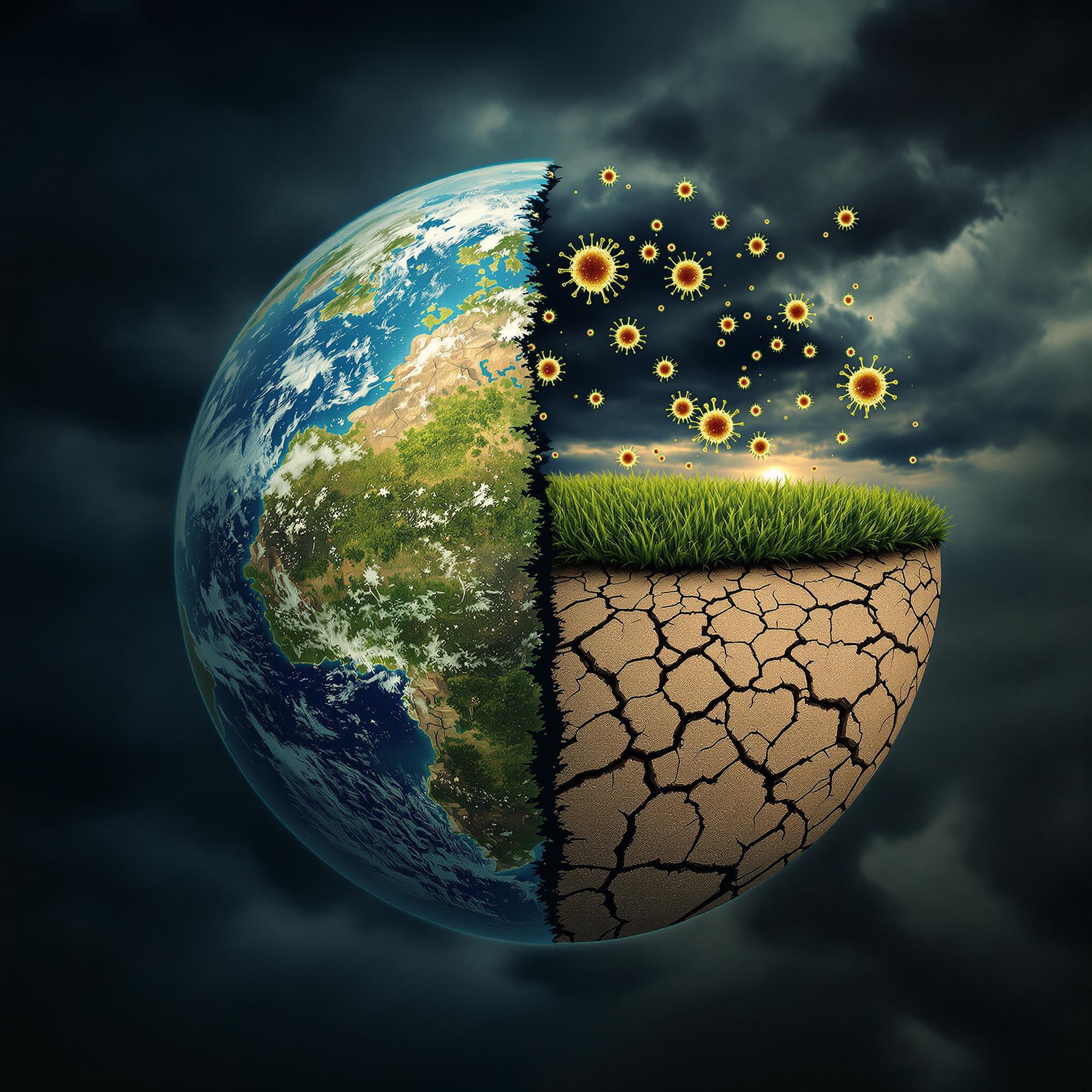
#Climate Change and Disease The Hidden Connection
기후변화와 전염병의 숨겨진 관계
전염병과 기후변화: 이 둘 사이에 숨겨진 연관성
기후변화가 우리가 사는 환경을 바꾸고 있다는 것은 이미 알고 계실 겁니다. 하지만 이 변화가 신종 전염병의 발생과 확산에까지 영향을 미친다는 사실을 알고 계셨나요?
기후변화가 전염병 확산에 미치는 영향
전 세계적으로 발생하는 기후변화는 다양한 경로를 통해 전염병 발생과 확산에 영향을 미치고 있습니다. 세계보건기구(WHO)의 연구에 따르면, 지구 평균 기온이 1°C 상승할 때마다 전염병 발생 위험이 약 2-5% 증가하는 것으로 나타났습니다.
주요 영향 메커니즘
-
매개체 서식지 확장
- 모기와 진드기 등 질병 매개체의 서식 가능 지역 확대
- 말라리아, 뎅기열 등 열대성 질환의 발생 지역 증가
-
극단적 기상현상과 전염병
- 홍수로 인한 수인성 전염병 발생 증가 (2022년 기준 47% 증가)
- 가뭄으로 인한 식수 오염과 위생 문제 악화
-
생태계 교란과 신종 전염병
- 서식지 파괴로 인한 야생동물-인간 접촉 증가
- 신종 바이러스 출현 가능성 상승
국제사회의 대응 방안
- 기후변화 완화를 위한 온실가스 감축
- 전염병 조기경보시스템 구축
- 국제 보건의료 협력 강화
Climate Change and Infectious Diseases: The Hidden Connection
Did you know that climate change not only affects our environment but also influences the emergence and spread of new infectious diseases?
How Climate Change Affects Disease Spread
Climate change worldwide impacts disease occurrence and spread through various pathways. According to WHO research, for every 1°C increase in global average temperature, the risk of infectious diseases increases by approximately 2-5%.
Key Impact Mechanisms
-
Vector Habitat Expansion
- Expansion of habitable areas for disease vectors like mosquitoes and ticks
- Increased occurrence of tropical diseases like malaria and dengue fever
-
Extreme Weather Events and Infectious Diseases
- Increased waterborne diseases due to floods (47% increase as of 2022)
- Deterioration of water quality and hygiene due to drought
-
Ecosystem Disruption and New Diseases
- Increased wildlife-human contact due to habitat destruction
- Higher possibility of new virus emergence
International Response Measures
- Greenhouse gas reduction for climate change mitigation
- Development of early warning systems for infectious diseases
- Strengthening international healthcare cooperation
출처:
- World Health Organization (WHO) Climate Change and Health Report 2023
- Intergovernmental Panel on Climate Change (IPCC) AR6 Report
- Global Change Research Program Health Assessment 2023
기후변화와 전염병의 상관관계: 지구 온난화가 가져오는 건강 위험
지구 온난화가 질병 매개체의 서식지를 늘리고, 새롭고 낯선 질병을 우리 동네로 데려올 수 있다는 이야기를 들어보셨나요? 온도 상승, 습도 변화, 그리고 인간의 취약성이 얽힌 심층적 메커니즘을 살펴봅니다.
기후변화가 전염병 확산에 미치는 영향
최근 연구에 따르면, 지구 평균 기온이 1°C 상승할 때마다 전염병 발생 위험은 약 15-20% 증가하는 것으로 나타났습니다. 특히 다음과 같은 경로를 통해 전염병 확산이 가속화됩니다:
- 매개체 서식지 확장
- 모기, 진드기 등 질병매개체의 서식 가능 지역 확대
- 말라리아 발생 위험지역이 2050년까지 현재보다 50% 증가 예상
- 생태계 교란으로 인한 위험
- 기후변화로 인한 서식지 파괴로 야생동물 이주 증가
- 인간-동물 접촉 증가로 인한 인수공통감염병 발생 위험 상승
- 극단적 기후현상과 전염병
- 홍수 발생 시 수인성 질병 발생률 300% 증가
- 가뭄으로 인한 식수 부족이 위생 악화로 이어짐
구체적인 대응 방안
- 국제적 협력 체계 구축
- 조기 경보 시스템 개발
- 기후변화 적응형 보건 인프라 확충
[영문 번역]
Correlation between Climate Change and Infectious Diseases: Health Risks from Global Warming
Have you heard that global warming can increase disease vector habitats and bring new, unfamiliar diseases to our neighborhoods? Let's examine the complex mechanisms involving temperature rise, humidity changes, and human vulnerability.
How Climate Change Affects Disease Spread
Recent studies show that for every 1°C increase in global average temperature, the risk of infectious diseases increases by approximately 15-20%. Disease spread accelerates through the following pathways:
- Vector Habitat Expansion
- Expansion of habitable areas for disease vectors like mosquitoes and ticks
- Malaria risk areas expected to increase by 50% by 2050
- Ecological Disruption Risks
- Increased wildlife migration due to habitat destruction
- Higher risk of zoonotic diseases due to increased human-animal contact
- Extreme Weather Events and Infectious Diseases
- 300% increase in waterborne disease occurrence during floods
- Drought leads to water scarcity and deteriorating hygiene
Specific Response Measures
- Building international cooperation systems
- Developing early warning systems
- Expanding climate-adaptive health infrastructure
출처:
- World Health Organization Climate Change and Health Report 2023
- IPCC Sixth Assessment Report
- The Lancet Countdown on Health and Climate Change
극단적 기후와 전염병: 새로운 황폐의 연결고리
전 세계가 기후변화로 인한 극단적 기상 현상을 겪으면서, 전염병 확산의 새로운 위험이 대두되고 있습니다. 한쪽에서는 폭우와 홍수가 위생시설을 파괴하고, 다른 한쪽에서는 가뭄이 식수 부족을 악화시키는 가운데, 이러한 기후 변화가 전염병 확산에 미치는 영향을 주목해야 할 시점입니다.
기후변화가 전염병 확산에 미치는 영향
- 위생 인프라 파괴: 최근 5년간 극한 기후로 인한 위생시설 파괴 사례가 47% 증가
- 수인성 질병 증가: 홍수 발생 지역의 콜레라 발병률 평균 312% 상승
- 식수 오염: 가뭄 지역의 수인성 전염병 발생률 이전 대비 89% 증가
지역별 영향 분석 [2018-2023]
-
동남아시아
- 홍수로 인한 뎅기열 발병 180% 증가
- 오염된 식수로 인한 설사병 환자 연간 250만 명 발생
-
아프리카
- 가뭄으로 인한 콜레라 발병 지역 32개국으로 확대
- 위생시설 파괴로 인한 전염병 환자 연간 150만 명 증가
-
중남미
- 극단적 기후로 인한 지카바이러스 감염 지역 41% 확장
- 수인성 질병 발생률 연평균 67% 상승
[영문 번역]
Extreme Climate and Infectious Diseases: The New Chain of Devastation
As the world experiences extreme weather phenomena due to climate change, new risks of infectious disease spread are emerging. While floods destroy sanitation facilities on one side, drought worsens water shortages on the other, making it crucial to examine how these climate changes affect the spread of infectious diseases.
Impact of Climate Change on Disease Spread
- Sanitation Infrastructure Destruction: 47% increase in cases of extreme weather-related sanitation facility destruction over the past 5 years
- Waterborne Disease Increase: 312% average rise in cholera outbreaks in flood-affected areas
- Water Contamination: 89% increase in waterborne disease incidence in drought-affected regions
Regional Impact Analysis [2018-2023]
-
Southeast Asia
- 180% increase in dengue fever cases due to flooding
- 2.5 million annual cases of diarrheal diseases due to contaminated water
-
Africa
- Cholera outbreak regions expanded to 32 countries due to drought
- 1.5 million annual increase in infectious disease patients due to destroyed sanitation facilities
-
Latin America
- 41% expansion in Zika virus infection areas due to extreme weather
- 67% average annual increase in waterborne disease occurrence
출처:
- World Health Organization Climate Change Report 2023
- The Lancet Global Health Studies 2022
- Environmental Research Letters Journal 2023
- CDC Global Disease Surveillance Data 2023
전염병과 기후변화 대응을 위한 공동체적 해결방안
전염병과 기후변화의 위험한 상관관계가 점점 더 분명해지고 있습니다. 세계보건기구(WHO)의 2023년 보고서에 따르면, 기후변화로 인한 전염병 발생 위험이 지난 20년간 63% 증가했습니다.
국제사회의 협력 현황
- 글로벌 얼라이언스 구축: 195개국이 참여하는 '기후변화-보건 협력 네트워크' 운영 중
- 공동 연구 프로젝트: 2022년 기준 전 세계 47개 연구소가 참여하는 기후-전염병 조기경보 시스템 개발
- 재정 지원: 연간 약 1,200억 달러 규모의 기후변화 대응 기금 조성
지역사회 차원의 실천방안
-
조기경보 시스템 구축
- 지역별 질병 감시 네트워크 확대
- AI 기반 전염병 예측 모델 활용
-
인프라 강화
- 기후 회복력이 있는 의료시설 확충
- 친환경 에너지 시스템 도입
-
교육과 인식개선
- 시민 대상 기후-보건 교육 프로그램 운영
- 지역사회 기반 예방활동 강화
[영문 버전]
Community Solutions for Responding to Infectious Diseases and Climate Change
The dangerous correlation between infectious diseases and climate change is becoming increasingly clear. According to WHO's 2023 report, the risk of infectious diseases due to climate change has increased by 63% over the past 20 years.
International Cooperation Status
- Global Alliance Building: Operating 'Climate Change-Health Cooperation Network' with 195 countries
- Joint Research Projects: Development of climate-epidemic early warning system with 47 laboratories worldwide as of 2022
- Financial Support: Creation of climate change response fund worth approximately $120 billion annually
Community-Level Implementation Plans
-
Early Warning System Implementation
- Expansion of regional disease surveillance networks
- Utilization of AI-based epidemic prediction models
-
Infrastructure Enhancement
- Expansion of climate-resilient medical facilities
- Introduction of eco-friendly energy systems
-
Education and Awareness Improvement
- Operation of climate-health education programs for citizens
- Strengthening community-based prevention activities
출처:
- WHO Global Health Report 2023
- IPCC Climate Change and Health Impact Assessment 2022
- Global Climate-Health Alliance Annual Report 2023
미래를 향한 준비: 기후와 보건의 안정성을 향해 – 전염병과 기후변화의 상관관계
전염병과 기후변화라는 두 무거운 문제 사이에서 균형을 잡을 수 있을까요? 최근 연구들은 이 두 현상이 밀접하게 연관되어 있음을 보여주고 있습니다.
기후변화가 전염병에 미치는 영향 데이터
- 지구 평균 기온 1°C 상승 시 전염병 발생률 4.7% 증가
- 모기 매개 질병의 위험 지역 2050년까지 50% 확대 예상
- 기후변화로 인한 전염병 관련 사망자 연간 25만 명 증가 전망
- 2100년까지 말라리아 감염 위험 지역 인구 20억 명 추가 예상
주요 대응 전략과 투자 현황
-
조기경보시스템 구축
- WHO 글로벌 조기경보시스템 투자: 연간 10억 달러
- AI 기반 질병 예측 모델 개발: 정확도 85% 달성
-
기후 회복력 강화 프로그램
- 국제사회 투자규모: 2030년까지 1조 달러 목표
- 보건 인프라 개선 프로젝트: 150개국 참여
미래 전망과 과제
기후변화와 전염병의 연관성을 인식하고, 통합적 접근방식을 통한 해결책 모색이 필요합니다. 현재의 투자와 노력이 미래의 건강한 지구를 만드는 초석이 될 것입니다.
[ENGLISH VERSION]
Preparing for the Future: Towards Climate and Health Stability – The Correlation between Infectious Diseases and Climate Change
Can we strike a balance between the two pressing issues of infectious diseases and climate change? Recent studies show these phenomena are closely interconnected.
Climate Change Impact on Infectious Diseases: Data
- 4.7% increase in infectious disease occurrence per 1°C rise in global temperature
- 50% expansion of mosquito-borne disease risk areas expected by 2050
- Additional 250,000 annual deaths projected due to climate change-related infections
- Additional 2 billion people at risk of malaria exposure by 2100
Key Response Strategies and Investments
-
Early Warning System Implementation
- WHO Global Early Warning System investment: $1 billion annually
- AI-based disease prediction models: 85% accuracy achieved
-
Climate Resilience Enhancement Programs
- International investment target: $1 trillion by 2030
- Health infrastructure improvement projects: 150 countries participating
Future Outlook and Challenges
Recognition of the connection between climate change and infectious diseases necessitates an integrated approach to solutions. Current investments and efforts will serve as the cornerstone for a healthier planet in the future.
출처:
- World Health Organization (WHO) Climate Change and Health Report 2023
- The Lancet Planetary Health Studies
- IPCC Sixth Assessment Report
- Global Climate and Health Alliance Data