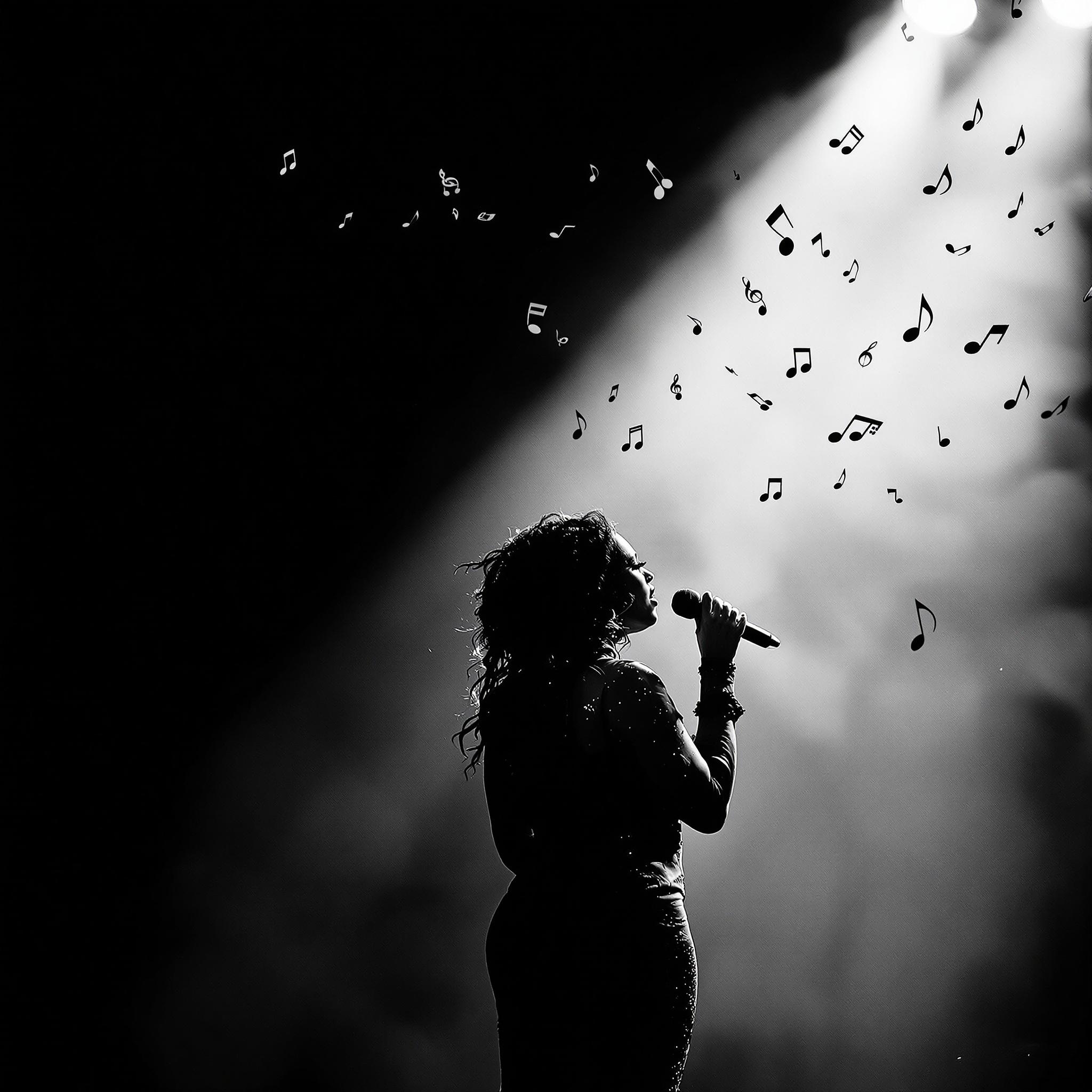
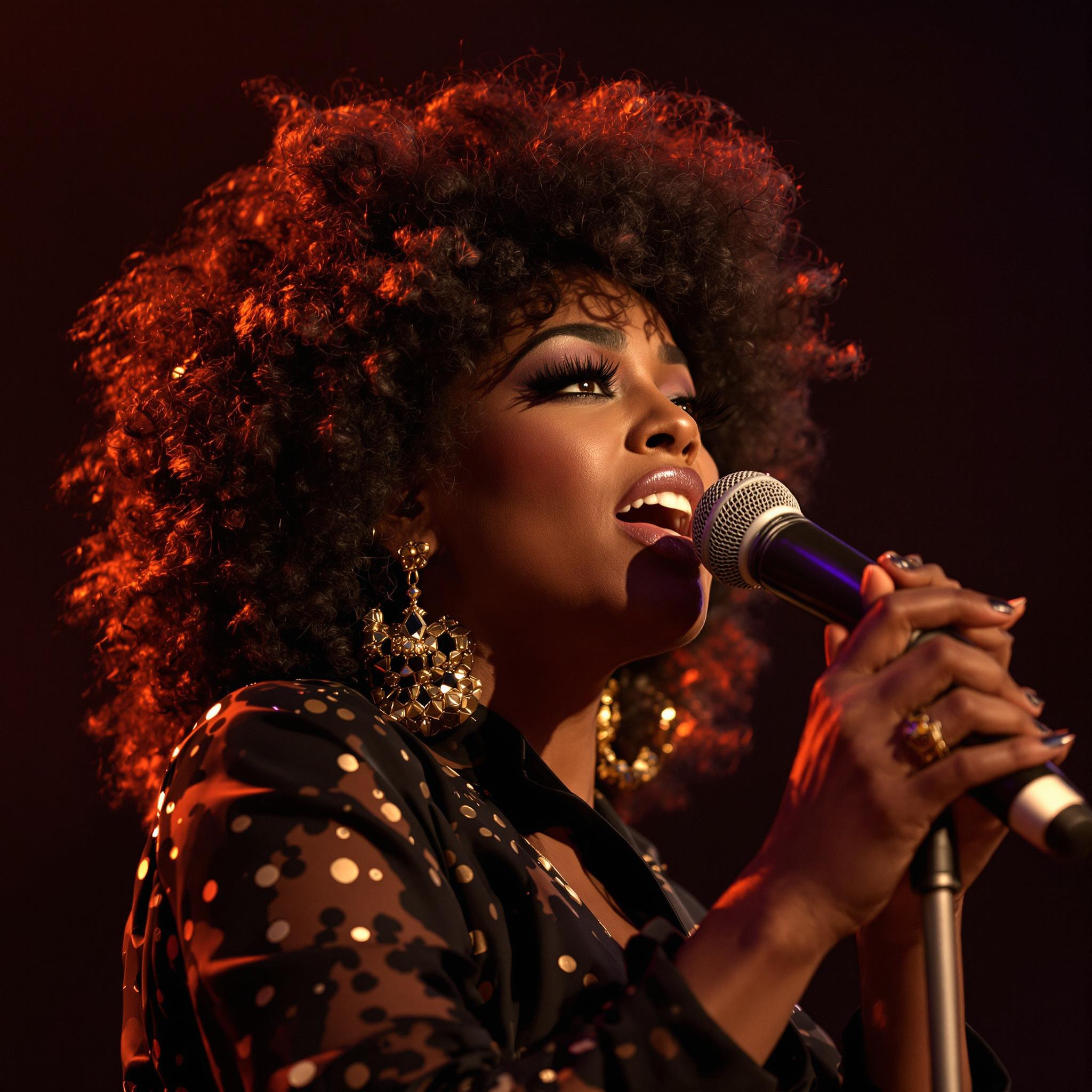
#Roberta Flack Soul Legend Dies at 88
The Legacy of Roberta Flack: A Voice That Touched Millions
There are artists whose music resonates deep within our souls, touching hearts across generations. Roberta Flack stands as one of these rare musical treasures, whose voice has become synonymous with emotional depth and artistic excellence.
Few artists have shaped the landscape of soul and R&B quite like Roberta Flack. Her journey from a classical piano prodigy to a chart-topping vocalist is a testament to her extraordinary musical genius. With her signature blend of jazz, soul, and folk influences, Flack created a sound that was uniquely her own.
Her 1972 masterpiece "The First Time Ever I Saw Your Face" showcased her ability to transform a simple love song into a profound emotional experience. The track's success, spending six weeks at Billboard's number one spot, proved that audiences craved the authentic, heartfelt connection that Flack delivered with every performance.
But it was "Killing Me Softly With His Song" that truly cemented her legacy. Released in 1973, this haunting melody became more than just a hit – it became a cultural touchstone, earning Flack her second Grammy Award and inspiring countless covers and interpretations across decades.
Through her remarkable career, Roberta Flack demonstrated that true artistry knows no boundaries. Her influence extends far beyond her chart success, inspiring generations of musicians with her sophisticated arrangements and emotionally honest performances. As we reflect on her contributions to music, we're reminded that some voices don't just entertain – they transform, heal, and endure.
The passing of Roberta Flack in 2025 marked the end of an era, but her musical legacy continues to resonate through time, touching new generations with the same profound impact that made her a legend. Her story remains a testament to the enduring power of authentic, soul-stirring music.
The Final Chapter: Roberta Flack's Farewell to the World
On February 24, 2025, the music world fell silent as legendary singer Roberta Flack took her final bow at the age of 88. The news of her passing sent shockwaves through the global music community, marking the end of an era that had enriched our lives with soul-stirring melodies for over five decades.
While her representative maintained privacy regarding the cause of death, the impact of losing this musical giant resonated deeply throughout the industry. Roberta Flack's departure left an irreplaceable void in the hearts of millions who had found solace and inspiration in her distinctive voice and masterful piano compositions.
The day of her passing was particularly poignant as messages of grief and celebration began pouring in from fellow artists, industry veterans, and fans worldwide. Many recalled how Flack's signature songs like "The First Time Ever I Saw Your Face" and "Killing Me Softly With His Song" had become the soundtrack to their lives.
In the hours following the announcement, radio stations across the globe paid tribute by playing her timeless classics, while social media platforms were flooded with heartfelt remembrances. The profound influence of Roberta Flack's artistry was evident in the universal outpouring of emotion that followed her passing.
Though she may have left us physically, her legacy continues to resonate through the countless lives she touched with her music. The day we lost Roberta Flack may have been filled with sadness, but it also reminded us of the extraordinary gift she shared with the world – a voice that could truly kill us softly with its song.
The Birth of Soul Hits: How Roberta Flack's Voice Captured Hearts
In the early 1970s, the music industry witnessed the emergence of a unique voice that would forever change the landscape of soul music. Roberta Flack's distinctive vocal style and emotional depth created magic when she recorded two songs that would become timeless classics.
"The First Time Ever I Saw Your Face" marked Flack's first major breakthrough in 1972. Originally written by folk singer Ewan MacColl, the song took on new life through her interpretation. Her slow, contemplative rendition, accompanied by minimal instrumentation, allowed her voice to shine in ways that captured listeners' hearts. The result? Six consecutive weeks at #1 on the Billboard Hot 100, proving that sometimes less truly is more.
But lightning struck twice when Roberta Flack released "Killing Me Softly With His Song" in 1973. Despite being a cover of Lori Lieberman's original, Flack's version resonated so deeply with audiences that it dominated the charts for four weeks. Her interpretation brought a level of emotional authenticity that made the song uniquely her own.
What made these recordings special? Three key elements:
- Flack's masterful control of dynamics
- Her ability to infuse each phrase with deep emotional meaning
- The perfect balance between restraint and power in her delivery
These hits continue to influence modern music. Contemporary artists regularly sample and cover these classics, while new generations discover them through streaming platforms. The timeless quality of Roberta Flack's interpretations proves that when artistry meets authenticity, the result is nothing short of magical.
Her legacy lives on through these songs, which remain powerful examples of how music can transcend time and touch souls across generations. The emotional depth and artistic integrity she brought to these recordings continue to serve as a masterclass in musical storytelling.
Roberta Flack's Awards, Achievements, and Lasting Legacy
When discussing musical excellence, few artists can match the profound impact of Roberta Flack. Her two Grammy Awards stand as testament to her extraordinary talent, but they merely scratch the surface of her enduring influence on modern music.
Grammy Triumphs
Roberta Flack's masterful interpretations earned her back-to-back Grammy Awards, a feat that showcases her exceptional artistry. Her soul-stirring rendition of "The First Time Ever I Saw Your Face" claimed the prestigious award in 1973, followed by another win in 1974 for "Killing Me Softly With His Song." These accolades cement her position among music's elite performers.
Musical Influence
Beyond the awards, Flack's influence resonates throughout multiple genres:
- Soul music: Her emotional depth redefined soul expression
- R&B: Her sophisticated arrangements elevated the genre
- Pop music: She bridged the gap between classical training and popular appeal
Cultural Impact
Roberta Flack's contributions extend far beyond music:
- Role model for female musicians
- Pioneer in cross-genre experimentation
- Advocate for artistic authenticity
Modern Legacy
Contemporary artists continue to draw inspiration from Flack's work:
- Her songs are frequently covered by new generations
- Her vocal techniques are studied in music schools
- Her arrangements influence modern production styles
The true measure of Flack's legacy lies not just in her accolades, but in the countless artists she has inspired and the timeless quality of her music that continues to move audiences today.
Roberta Flack's Legacy: Inspiring the Next Generation of Musicians
When we talk about musical pioneers who transcended their era, Roberta Flack stands as a beacon of inspiration for future generations. Her journey from a classically trained pianist to a soul music icon demonstrates the power of authenticity in artistry.
Flack's influence extends far beyond her chart-topping hits. As a female artist in a male-dominated industry, she carved out her own path with grace and determination. Her success wasn't just about making music; it was about breaking barriers and setting new standards for aspiring musicians.
Three key lessons from Roberta Flack's legacy that continue to inspire:
- Musical Integrity
- Never compromised artistic vision for commercial success
- Maintained sophistication in arrangements while keeping emotional accessibility
- Proved that technical excellence and popular appeal can coexist
- Artistic Independence
- Took control of her creative process
- Chose songs that resonated with her personal vision
- Demonstrated the importance of artistic autonomy
- Cultural Impact
- Bridged multiple genres: jazz, soul, pop, and classical
- Created music that spoke to universal human experiences
- Showed how music can transcend racial and cultural boundaries
Young artists today can learn from Flack's approach to music-making: taking time to perfect each performance, investing in musical education, and staying true to one's artistic vision. Her legacy reminds us that success in music isn't just about hit songs—it's about creating meaningful connections through authentic expression.
The future generation of musicians would do well to remember that Roberta Flack's enduring influence comes not just from what she sang, but how she approached her craft: with dedication, dignity, and an unwavering commitment to excellence.