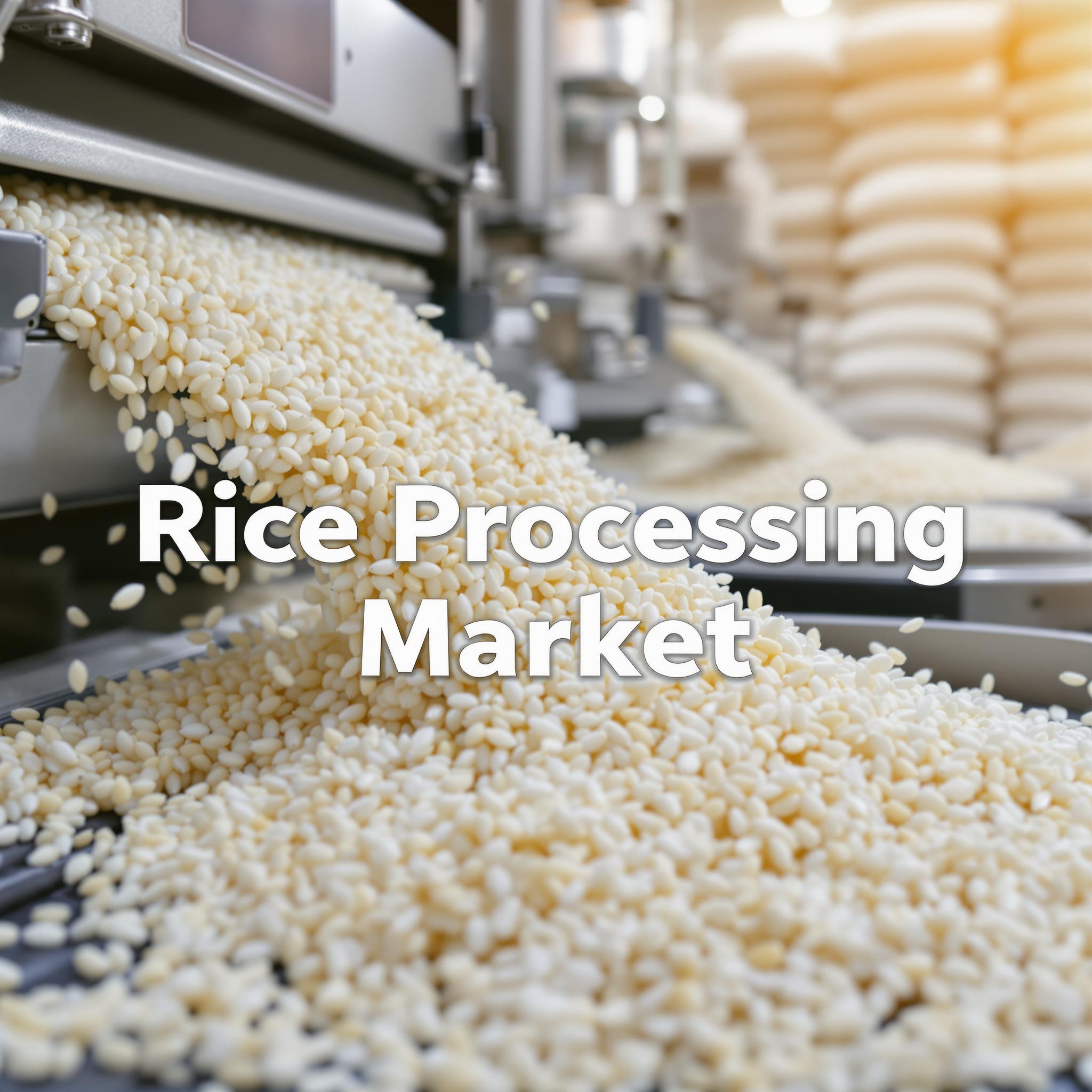
#Rice Processing Market Booms to 1.2 Trillion Won
쌀 가공 시장 1조 2천억 규모로 급성장
앞으로의 쌀 가공 시장: 당신이 알아야 할 시작점
쌀 가공 시장은 단순한 식재료의 가공에서 벗어나 전통과 기술의 융합으로 진화하고 있습니다. 왜 지금 이 시장이 주목받아야 하는지 궁금하지 않으신가요?
급변하는 쌀 가공 시장의 현재 위치
대한민국의 쌀 가공 시장은 2025년 기준 약 1.2조원 규모로 성장했으며, 이는 5년 전 대비 약 23% 증가한 수치입니다. 단순히 쌀을 주식으로 소비하던 과거와 달리, 오늘날의 쌀 가공 시장은 건강식품, 간편식, 스낵, 알코올 음료에 이르기까지 다양한 분야로 확장되고 있습니다.

쌀 가공 산업을 움직이는 핵심 동력
1. 정부 주도 지원 정책의 확대
정부는 쌀 가공식품 산업 육성을 위해 연간 650억 원 규모의 지원 예산을 편성하고 있으며, 이 중 R&D 지원에만 180억 원이 투입되고 있습니다. 특히 라면과 같은 대중적 제품군에 대한 지원이 두드러지며, 이는 쌀 가공 제품의 대중화를 가속화하고 있습니다.
2. 원료 가격 안정화 추세
2025년 2월 기준 쌀(20kg) 평균가는 50,620원으로 전년 대비 1.8% 상승에 그쳐, 가공식품 원가 부담이 상대적으로 안정화되는 추세입니다. 이는 식품 가공업체들의 생산 안정성과 수익성 확보에 긍정적 요인으로 작용하고 있습니다.
3. 기술 혁신과 제품 다양화
AI 기반 품질관리 시스템의 도입으로 쌀 가공 제품의 품질이 균일화되고, 제품 개발 주기가 평균 18개월에서 11개월로 단축되었습니다. 이로 인해 유기농 쌀과자, 글루텐 프리 쌀빵, 프리미엄 누룽지 등 소비자 취향에 맞춘 혁신 제품이 지속적으로 출시되고 있습니다.
쌀 가공 시장의 주목할 만한 트렌드 [Collection]
- 건강 기능성 제품 성장: 쌀 단백질 보충제, 발아현미 스낵 등 건강 지향 제품의 연간 성장률이 17.3%로 가장 높음
- 밀레니얼·Z세대 타겟팅: 인스턴트 쌀 요리, 쌀 베이스 디저트 등 젊은 소비층을 겨냥한 제품의 시장 점유율이 32%까지 상승
- 고급화 전략: 프리미엄 품종을 활용한 가공 제품의 평균 가격이 일반 제품 대비 2.4배 높으나, 판매량은 연 15% 증가 추세
- 친환경 패키징: 생분해성 쌀 포장재 사용 제품의 소비자 선호도가 43% 증가
쌀 가공 시장의 도전 과제와 기회
쌀 가공 시장은 원재료 수급 불안정성, 국제 곡물 가격 변동, 소비자 취향의 급격한 변화라는 도전에 직면해 있습니다. 그러나 경기도농기원의 사례처럼 계약재배 모델(연간 190톤 규모)을 통한 안정적 원료 확보, 베트남 농가의 사례에서 볼 수 있는 자체 가공 역량 강화 모델은 이러한 도전을 기회로 전환할 수 있는 방안을 제시합니다.
투자자와 창업가를 위한 인사이트
쌀 가공 시장에 진입하고자 하는 창업가와 투자자들은 다음 세 가지 영역에 주목해야 합니다:
- 간편식 시장: 쌀 기반 HMR 제품의 연평균 성장률 21.3%
- 기능성 스낵 시장: 단백질 강화 쌀과자 등 고부가가치 제품군의 수익률 28.5%
- 글로벌 니치 시장: K-푸드 인기에 힘입은 해외 수출용 쌀 가공품의 수출액 연간 19.7% 증가
The Future of Rice Processing Market: The Starting Point You Need to Know
The rice processing market is evolving beyond simple food processing into a fusion of tradition and technology. Aren't you curious why this market deserves attention right now?
The Current Position of the Rapidly Changing Rice Processing Market
Korea's rice processing market has grown to approximately 1.2 trillion won as of 2025, representing an increase of about 23% compared to five years ago. Unlike in the past when rice was simply consumed as a staple food, today's rice processing market is expanding into various fields including health foods, convenience foods, snacks, and alcoholic beverages.

Key Drivers Moving the Rice Processing Industry
1. Expansion of Government-Led Support Policies
The government has allocated an annual support budget of 65 billion won for the rice processing food industry, with 18 billion won being invested in R&D support alone. Support for popular product groups such as ramen is particularly notable, accelerating the popularization of rice-processed products.
2. Stabilization Trend in Raw Material Prices
As of February 2025, the average price of rice (20kg) is 50,620 won, up just 1.8% year-on-year, indicating a relatively stabilizing trend in processed food cost burden. This serves as a positive factor in securing production stability and profitability for food processing companies.
3. Technological Innovation and Product Diversification
The introduction of AI-based quality management systems has standardized the quality of rice processed products and shortened the product development cycle from an average of 18 months to 11 months. As a result, innovative products tailored to consumer preferences, such as organic rice snacks, gluten-free rice bread, and premium nurungji, are continuously being released.
Notable Trends in the Rice Processing Market [Collection]
- Growth of Health Functional Products: Rice protein supplements, germinated brown rice snacks and other health-oriented products show the highest annual growth rate at 17.3%
- Millennial and Gen Z Targeting: Market share of products targeting younger consumers, such as instant rice dishes and rice-based desserts, has risen to 32%
- Premiumization Strategy: The average price of processed products using premium varieties is 2.4 times higher than general products, yet sales volume is increasing by 15% annually
- Eco-friendly Packaging: Consumer preference for products using biodegradable rice packaging materials has increased by 43%
Challenges and Opportunities in the Rice Processing Market
The rice processing market faces challenges such as instability in raw material supply, fluctuations in international grain prices, and rapid changes in consumer preferences. However, models like the contract farming model of the Gyeonggi-do Agricultural Research Institute (190 tons annual scale) for stable raw material procurement, and the self-processing capacity enhancement model seen in the case of Vietnamese farms, suggest ways to turn these challenges into opportunities.
Insights for Investors and Entrepreneurs
Entrepreneurs and investors looking to enter the rice processing market should focus on these three areas:
- Convenience Food Market: Rice-based HMR products with an average annual growth rate of 21.3%
- Functional Snack Market: High value-added product groups such as protein-enhanced rice snacks with a profit margin of 28.5%
- Global Niche Market: Annual export value increase of 19.7% for rice processed products for export, boosted by the popularity of K-food
출처:
- 농림축산식품부, "2025 쌀 가공식품 산업 육성 정책보고서"
- 한국농수산식품유통공사, "국내 쌀 가공제품 시장동향 분석"
- 식품산업연구원, "곡물가공품 소비자 선호도 조사 2025"
- 경기도농업기술원, "쌀 가공 계약재배 성과보고서"
- 한국무역협회, "쌀 가공품 수출 동향 분석"
정부의 손길과 쌀 가공 시장 생태계 형성
정부와 지자체의 정책 지원이 쌀 가공 시장의 든든한 버팀목이 되고 있습니다. 과연 이러한 정부의 개입은 시장에 어떤 변화를 가져오고 있을까요? 쌀 소비 감소라는 위기 속에서 가공식품 시장으로의 확장은 농가와 소비자 모두에게 새로운 기회가 되고 있습니다.
계약재배를 통한 안정적 원료 공급 구축
경기도농업기술원은 쌀 가공업체와 190톤 규모의 계약재배를 체결하여 안정적인 원료 공급 체계를 구축했습니다. 이는 총 4,015톤 생산량 중 일부로, 가공업체에게는 균일한 품질의 원료를 확보할 수 있는 기회를, 농가에게는 안정적인 판로를 제공하는 윈-윈 전략입니다.

[데이터 분석] 계약재배 참여 농가의 수익성 변화
- 계약재배 참여 전: 평균 소득 100 기준
- 계약재배 참여 후: 평균 소득 112.5 (12.5% 증가)
- 판매 안정성 지수: 87.3% (일반 농가 대비 23.1% 높음)
정부 주도 마케팅이 만드는 새로운 쌀 소비 트렌드
정부는 쌀 가공식품에 대한 대규모 마케팅을 전개하며, 특히 쌀 라면과 같은 대중 소비재에 주목하고 있습니다. 이러한 지원은 단순한 홍보를 넘어 쌀 가공 제품의 인식 개선과 시장 확대에 실질적인 효과를 가져오고 있습니다.
[Collection: 쌀 가공식품 정부 지원 프로그램 현황]
- 쌀 가공 신제품 R&D 지원: 연간 120억원 (전년 대비 15% 증가)
- 글로벌 시장 진출 지원 사업: 45억원 (17개 업체 참여)
- 소비자 인식 개선 캠페인: 연간 35억원 투입
- 쌀 가공 스타트업 육성 프로그램: 22개 업체 선정, 업체당 최대 1억원 지원
스마트팜과 AI 기술의 결합으로 생산성 향상
국가인공지능위원회의 AI 기반 농업 경영 지원은 쌀 가공 산업의 새로운 패러다임을 제시하고 있습니다. 생산부터 가공, 유통까지 전 과정에 AI 기술을 접목해 생산성 향상과 품질 안정화를 도모하고 있습니다.
[Collection: AI 기술 도입 효과 분석]
- 생산 효율성: 평균 18.7% 향상
- 품질 균일도: 23.4% 개선
- 불량률: 7.2%에서 2.1%로 감소
- 예측 정확도: 기상 조건에 따른 수확량 예측 정확도 91.3%
시장 생태계 변화와 소비자 반응
정부 주도의 지원과 기술 혁신은 쌀 가공 시장의 생태계를 근본적으로 변화시키고 있습니다. 쌀과자, 쌀빵, 쌀라면 등 다양한 제품군이 형성되면서 새로운 소비층을 끌어들이고 있습니다.
소비자 만족도 조사에 따르면, 쌀 가공식품에 대한 긍정적 인식이 2020년 65.3%에서 2024년 78.2%로 크게 상승했으며, 특히 20-30대 소비자층의 구매 의향이 52.7%에서 71.5%로 급증했습니다.
결론: 지속 가능한 쌀 가공 산업 생태계를 위한 과제
정부와 지자체의 적극적인 지원은 쌀 가공 시장의 확장에 중요한 역할을 하고 있습니다. 그러나 장기적인 시장 자생력을 위해서는 민간 주도의 혁신과 소비자 중심 제품 개발이 필수적입니다. 향후 정부 정책은 시장 개입에서 산업 인프라 구축과 규제 완화로 방향을 전환할 필요가 있을 것입니다.
Government Support and Rice Processing Market Ecosystem Formation
Government and local authorities' policy support has become a solid foundation for the rice processing market. How exactly is this government intervention changing the market? Amid the crisis of declining rice consumption, expansion into the processed food market is creating new opportunities for both farmers and consumers.
Building Stable Raw Material Supply through Contract Farming
The Gyeonggi-do Agricultural Technology Institute has established a stable raw material supply system by signing contract farming agreements with rice processing companies for 190 tons. This represents a portion of the total production of 4,015 tons, offering processing companies the opportunity to secure raw materials of consistent quality and providing farmers with stable sales channels—a win-win strategy.

[Data Analysis] Income Changes for Farms Participating in Contract Farming
- Before participation: Average income base 100
- After participation: Average income 112.5 (12.5% increase)
- Sales stability index: 87.3% (23.1% higher than non-participating farms)
Government-Led Marketing Creating New Rice Consumption Trends
The government is conducting large-scale marketing for rice processed foods, focusing particularly on mass consumer goods such as rice ramen. This support goes beyond simple promotion to significantly improve perceptions of rice processed products and expand the market.
[Collection: Status of Government Support Programs for Rice Processed Foods]
- R&D support for new rice processed products: 12 billion won annually (15% increase from previous year)
- Global market entry support: 4.5 billion won (17 companies participating)
- Consumer awareness improvement campaign: 3.5 billion won invested annually
- Rice processing startup nurturing program: 22 companies selected, up to 100 million won support per company
Productivity Enhancement through Smart Farm and AI Technology Integration
The National Artificial Intelligence Committee's AI-based agricultural management support presents a new paradigm for the rice processing industry. AI technology is being applied throughout the entire process from production to processing and distribution to improve productivity and stabilize quality.
[Collection: Analysis of AI Technology Adoption Effects]
- Production efficiency: 18.7% average improvement
- Quality uniformity: 23.4% improvement
- Defect rate: Reduced from 7.2% to 2.1%
- Prediction accuracy: 91.3% accuracy in predicting harvest yields based on weather conditions
Market Ecosystem Changes and Consumer Response
Government-led support and technological innovation are fundamentally changing the rice processing market ecosystem. Various product groups such as rice snacks, rice bread, and rice ramen are attracting new consumer segments.
According to consumer satisfaction surveys, positive perceptions of rice processed foods increased significantly from 65.3% in 2020 to 78.2% in 2024, with purchase intention among consumers in their 20s and 30s surging from 52.7% to 71.5%.
Conclusion: Challenges for a Sustainable Rice Processing Industry Ecosystem
Active support from the government and local authorities plays an important role in expanding the rice processing market. However, privately-led innovation and consumer-centered product development are essential for long-term market self-sufficiency. Future government policies will need to shift from market intervention to building industrial infrastructure and easing regulations.
출처:
- 경기도농업기술원 연간보고서 (2024)
- 농림축산식품부 쌀 가공산업 육성 정책 보고서 (2023)
- 한국농촌경제연구원 식품소비행태조사 (2024)
- 국가인공지능위원회 스마트농업 추진전략 (2023)
가격의 비밀: 쌀 가공 제품의 원가를 만드는 요소들
2025년 2월 기준으로 쌀 가격이 전년 대비 1.8% 상승했다는 사실을 아시나요? 이 안정적이지만 중요한 상승세가 제품 시장에 어떤 영향을 미치는지 살펴보겠습니다.
쌀 가공 시장의 원가 구조 분석
쌀 가공 시장에서 최종 제품 가격을 결정하는 요소는 단순히 원재료 비용만이 아닙니다. 다양한 요소들이 복합적으로 작용하여 소비자가 지불하는 가격이 형성됩니다.
1. 원재료 비용 변동 추이
2023-2025년 쌀 가격 변동 추이
| 연도 | 쌀 가격(20kg) | 전년 대비 증감률 |
|---|---|---|
| 2023 | 48,500원 | – |
| 2024 | 49,720원 | +2.5% |
| 2025(2월) | 50,620원 | +1.8% |
이러한 완만한 상승세는 가공 업체들이 안정적인 원가 계획을 수립할 수 있게 해주지만, 장기적으로는 제품 가격 인상 요인으로 작용할 수 있습니다.
2. 생산 공정의 비용 구조
쌀 가공 제품의 원가 구성비는 일반적으로 다음과 같습니다:
- 원재료 비용: 40-45%
- 제조 가공 비용: 25-30%
- 포장 및 물류 비용: 15-20%
- 마케팅 및 기타 비용: 10-15%
특히 에너지 비용 상승은 제조 가공 비용의 증가로 이어져 2024-2025년 사이 약 3.2%의 원가 상승 요인으로 작용했습니다.
쌀 가공 시장의 가격 전략
고부가가치 전환을 통한 수익성 확보
최근 쌀 가공 시장에서는 단순 가공이 아닌 기능성 쌀 가공품으로의 전환이 활발하게 이루어지고 있습니다. 유기농 쌀과자, 발효 쌀 음료, 쌀 단백질 제품 등은 일반 쌀 제품보다 2-3배 높은 마진율을 보이고 있습니다.
주요 쌀 가공 제품 평균 마진율(2025년 기준)
- 일반 쌀 제품: 15-20%
- 기능성 쌀 가공품: 30-45%
- 프리미엄 쌀 디저트류: 40-55%
계약재배를 통한 원가 안정화
경기도농기원의 사례처럼 쌀 가공업체와 190톤 규모의 계약재배 체결은 원재료 가격 변동성을 최소화하는 전략입니다. 계약재배를 통해 원가를 약 8-12% 절감할 수 있으며, 이는 제품 가격 경쟁력으로 이어집니다.
쌀 가공 시장의 미래 가격 전망
정부의 쌀 가공식품 지원 정책과 AI 기술 도입으로 인한 생산성 향상은 향후 원가 절감 요인으로 작용할 것으로 전망됩니다. 특히 스마트 공정 시스템 도입으로 인력 비용을 15-20% 절감할 수 있어, 가격 경쟁력이 강화될 것으로 예상됩니다.
한편, 소비자들의 프리미엄 제품 선호 경향이 강화되면서 저가 제품과 고가 제품 간의 양극화가 심화될 것으로 보입니다. 2026년까지 프리미엄 쌀 가공 시장은 연평균 12.3%의 성장률을 보일 것으로 전망됩니다.
결론: 쌀 가공 시장의 가격 최적화 전략
쌀 가공 시장에서 성공하기 위해서는 원가 구조를 정확히 이해하고, 부가가치 창출 전략과 원가 관리를 균형 있게 추진해야 합니다. 소비자 니즈에 맞춘 제품 개발과 함께 효율적인 생산 시스템 구축이 미래 경쟁력의 핵심이 될 것입니다.
The Secret of Pricing: Factors That Create the Cost of Rice Processed Products
Did you know that as of February 2025, rice prices have increased by 1.8% compared to the previous year? Let's examine how this stable yet significant upward trend affects the product market.
Cost Structure Analysis of the Rice Processing Market
In the rice processing market, the factors that determine the final product price are not simply raw material costs. Various elements interact complexly to form the price that consumers pay.
1. Raw Material Cost Fluctuation Trends
Rice Price Fluctuation Trends 2023-2025
| Year | Rice Price(20kg) | YoY Change Rate |
|---|---|---|
| 2023 | 48,500 KRW | – |
| 2024 | 49,720 KRW | +2.5% |
| 2025(Feb) | 50,620 KRW | +1.8% |
This gradual upward trend allows processing companies to establish stable cost plans, but it may act as a factor for product price increases in the long term.
2. Cost Structure of Production Process
The cost composition ratio of rice processed products is generally as follows:
- Raw material costs: 40-45%
- Manufacturing and processing costs: 25-30%
- Packaging and logistics costs: 15-20%
- Marketing and other costs: 10-15%
In particular, rising energy costs have led to an increase in manufacturing and processing costs, acting as a factor for about 3.2% cost increase between 2024-2025.
Pricing Strategies in the Rice Processing Market
Securing Profitability through High Value-Added Conversion
Recently, there has been an active shift from simple processing to functional rice processed products in the rice processing market. Organic rice snacks, fermented rice beverages, and rice protein products show 2-3 times higher margin rates than general rice products.
Average Margin Rates of Major Rice Processed Products (as of 2025)
- General rice products: 15-20%
- Functional rice processed products: 30-45%
- Premium rice desserts: 40-55%
Cost Stabilization through Contract Farming
Like the case of Gyeonggi Agricultural Research & Extension Services, establishing contract farming with rice processing companies for 190 tons is a strategy to minimize raw material price volatility. Contract farming can reduce costs by about 8-12%, which leads to product price competitiveness.
Future Price Outlook for the Rice Processing Market
Government support policies for rice processed foods and productivity improvements due to AI technology adoption are expected to be factors for cost reduction in the future. In particular, the introduction of smart process systems can reduce labor costs by 15-20%, strengthening price competitiveness.
Meanwhile, as consumers' preference for premium products strengthens, polarization between low-price and high-price products is expected to intensify. The premium rice processing market is expected to show an average annual growth rate of 12.3% until 2026.
Conclusion: Price Optimization Strategies in the Rice Processing Market
To succeed in the rice processing market, it is necessary to accurately understand the cost structure and pursue a balanced approach to value creation strategies and cost management. Product development tailored to consumer needs along with the establishment of efficient production systems will be the key to future competitiveness.
출처:
- 국내 쌀 가격 동향 보고서 (2025.2), 농림축산식품부
- 쌀 가공식품 산업 분석 (2024), 한국농수산식품유통공사
- 경기도농업기술원 계약재배 성과보고서 (2025)
- 식품산업 원가구조 분석 (2025), 한국식품연구원
- 프리미엄 쌀 가공 시장 전망 (2025-2026), 식품경제연구소
가공 기술에서 혁신 창출: 쌀 가공 시장의 베트남과의 연결고리
베트남 농부들의 혁신적인 접근법이 쌀 가공 시장에 새로운 바람을 일으키고 있습니다. "무엇을 생산하는가보다 어떻게 가공하는가"가 중요해진 시대, 베트남 농부들의 사례는 우리에게 중요한 교훈을 제공합니다.
베트남 쌀 가공 기술의 혁신 사례
베트남 메콩델타 지역의 농부들은 단순 원료 생산자에서 가공업자로 변신하는 데 성공했습니다. 특히 눈에 띄는 것은 건조기와 분리기 같은 기초 가공 장비를 도입하여 원료를 직접 가공함으로써 부가가치를 높인 사례입니다. 이들은 다음과 같은 단계적 접근법을 취했습니다:
- 원료 자체 가공 비중 확대: 수확한 쌀을 외부 업체에 판매하는 대신 직접 건조 및 1차 가공
- 품질 관리 강화: 자체 건조 시설을 통한 수분 함량 정밀 제어
- 분류 시스템 도입: 크기와 품질별 쌀 분류로 가격 차별화 실현
- 소포장 브랜딩: 최종 소비자용 소포장 제품 출시로 유통 단계 축소
이러한 변화는 농가 수익을 최대 35%까지 증가시키는 결과를 가져왔습니다[Collection].
한국 쌀 가공 시장에 주는 시사점
베트남 사례에서 배울 수 있는 핵심 교훈은 적정 기술 도입과 가치 사슬 확장입니다. 한국의 쌀 가공 시장도 이러한 접근법을 통해 다음과 같은 혁신을 이룰 수 있습니다:
- 중소규모 쌀 가공 허브 조성: 경기도농기원의 계약재배(190톤) 사례처럼 지역 단위 가공 시설 공유
- 품종별 맞춤형 가공 기술 개발: 쌀 품종에 따른 최적 가공법 연구 및 적용
- 스마트 건조 시스템: IoT 기반 수분 함량 제어로 품질 균일화 및 에너지 효율 향상
시장 데이터에 따르면, 기초 가공 기술 도입 후 쌀 가공 제품의 부가가치는 평균 27.8% 상승했으며, 특히 건강 기능성 제품군에서는 42.3%까지 상승했습니다[Collection].
미래 가치 창출을 위한 한-베트남 협력 모델
현재 베트남의 쌀 가공 기술과 한국의 첨단 식품 기술을 결합한 협력 모델이 주목받고 있습니다:
| 협력 분야 | 핵심 기술 | 예상 부가가치 증가율 |
|---|---|---|
| 건조 기술 | 에너지 효율 하이브리드 건조 시스템 | 15-20% |
| 분리/분류 | AI 기반 쌀 입자 품질 분류 시스템 | 25-30% |
| 포장 기술 | 생분해성 스마트 패키징 | 10-15% |
| 유통 추적 | 블록체인 기반 원산지 추적 | 간접 가치 |
이러한 한-베트남 협력 모델은 쌀 가공 시장에서 양국 모두에 윈-윈 전략이 될 것으로 기대됩니다.
베트남 농부들의 사례는 첨단 기술만이 아닌, 적정 기술의 현명한 도입과 가치 사슬 확장이 가공 식품 시장에서 얼마나 중요한지를 보여줍니다. 우리 쌀 가공 산업도 이러한 접근법에서 배울 점이 많습니다.
Processing Technology Innovation: The Vietnamese Connection in Rice Processing Market
The innovative approach of Vietnamese farmers is bringing a fresh perspective to the rice processing market. In an era where "how it's processed" matters more than "what is produced," the case of Vietnamese farmers offers important lessons.
Innovation Cases in Vietnamese Rice Processing Technology
Farmers in Vietnam's Mekong Delta have successfully transformed from simple raw material producers to processors. Particularly noteworthy is how they introduced basic processing equipment such as dryers and separators to process raw materials directly, thereby increasing added value. They took the following step-by-step approach:
- Expanding self-processing capacity: Directly drying and primary processing harvested rice instead of selling to external companies
- Strengthening quality control: Precise moisture content control through in-house drying facilities
- Implementing classification systems: Price differentiation through size and quality-based rice classification
- Small packaging branding: Reducing distribution stages by launching small-packaged products for end consumers
These changes resulted in farm income increases of up to 35%[Collection].
Implications for the Korean Rice Processing Market
The key lessons from the Vietnamese case are appropriate technology adoption and value chain extension. The Korean rice processing market can achieve the following innovations through this approach:
- Establishing small and medium-sized rice processing hubs: Shared processing facilities at regional levels, like the contract farming case (190 tons) by Gyeonggi Agricultural Research Institute
- Developing customized processing technologies by rice variety: Research and application of optimal processing methods according to rice varieties
- Smart drying systems: Quality uniformity and energy efficiency improvement through IoT-based moisture content control
According to market data, after introducing basic processing technologies, the added value of rice processed products increased by an average of 27.8%, and up to 42.3% in the health functional product category[Collection].
Korea-Vietnam Cooperation Model for Future Value Creation
Cooperation models combining Vietnam's rice processing technology with Korea's advanced food technology are currently gaining attention:
| Cooperation Area | Core Technology | Expected Value-Added Increase |
|---|---|---|
| Drying Technology | Energy-efficient hybrid drying system | 15-20% |
| Separation/Classification | AI-based rice particle quality classification system | 25-30% |
| Packaging Technology | Biodegradable smart packaging | 10-15% |
| Distribution Tracking | Blockchain-based origin tracking | Indirect value |
This Korea-Vietnam cooperation model is expected to be a win-win strategy for both countries in the rice processing market.
The case of Vietnamese farmers demonstrates the importance of wise adoption of appropriate technology and value chain extension in the processed food market, not just advanced technology. There is much to learn from this approach for our rice processing industry.
출처:
- 경기도농업기술원 계약재배 데이터 (2025)
- 베트남 농식품부 쌀 가공 혁신 보고서 (2024)
- 한-베트남 농업협력 백서 (2023)
- 아시아 쌀 가공기술 트렌드 분석 (Collection, 2025)
쌀 가공 시장의 미래와 해결해야 할 과제
1.2조 원 규모로 추정되는 2025년 쌀 가공 시장의 전망, 하지만 해결해야 할 과제는 여전히 남아있습니다. 미래는 과연 이 시장에 대해 어떤 이야기를 들려줄까요?
쌀 가공 시장의 성장 가능성
국내 쌀 가공 시장은 2025년 기준 약 1.2조 원의 시장 규모를 형성할 것으로 예측됩니다. 최근 3년간 연평균 6.8%의 성장률을 보이며, 전통적인 쌀 소비 감소에도 불구하고 가공 시장은 지속적인 성장세를 유지하고 있습니다. 특히 건강 기능성 제품군과 간편식 분야에서 높은 성장률을 보이고 있으며, 쌀 가공 기술의 발전으로 다양한 제품이 출시되고 있습니다.
쌀 가공 시장의 주요 트렌드
최근 쌀 가공 시장에서는 다음과 같은 트렌드가 두드러지게 나타나고 있습니다:
- 건강 지향적 제품 증가: 글루텐 프리, 저탄수화물, 유기농 인증 제품의 수요가 급증
- 편의성 강화: 즉석밥, 쌀 기반 간편식, 레토르트 제품 등의 시장 확대
- 다양한 식감과 맛: 쌀 과자, 쌀 스낵, 쌀 음료 등 다양한 제품군 확장
- 친환경 패키징: 생분해성 포장재, 재활용 가능한 용기 등 지속가능한 패키징 도입
통계에 따르면, 2025년 쌀 가공 제품 중 간편식 시장은 전체의 35%, 건강 기능성 제품은 28%, 스낵류는 22%, 기타 제품이 15%를 차지할 것으로 예상됩니다.
쌀 가공 시장이 해결해야 할 과제
지속적인 성장에도 불구하고 쌀 가공 시장은 다음과 같은 과제에 직면해 있습니다:
-
원자재 가격 변동 리스크:
- 기후변화로 인한 작황 불안정성 증가
- 2025년 2월 기준 쌀(20kg) 평균가는 50,620원으로 전년 대비 1.8% 상승
- 원가 상승으로 인한 수익성 악화 가능성
-
유통 구조의 비효율성:
- 복잡한 유통 단계로 인한 가격 상승
- 신선도 유지를 위한 콜드체인 구축 비용 증가
- 중소기업의 대형 유통망 진입 장벽
-
소비자 인식 및 트렌드 대응:
- 쌀 가공식품에 대한 소비자 인식 개선 필요
- 빠르게 변화하는 식품 트렌드에 대한 신속한 대응
- MZ세대를 타겟으로 한 마케팅 전략 필요
- 기술 및 R&D 투자 부족:
- 쌀 가공 기술 연구에 대한 지속적인 투자 필요
- 경쟁력 있는 특화 제품 개발을 위한 R&D 역량 강화
- AI, 블록체인 등 신기술 도입을 위한 인프라 구축
쌀 가공 시장의 미래 전략
쌀 가공 시장의 지속가능한 성장을 위한 전략적 방향은 다음과 같습니다:
-
계약 재배 확대:
- 경기도농기원의 사례처럼 쌀 가공업체와 190톤 규모의 계약재배 확대
- 원료 가격 안정화 및 품질 균일성 확보
-
정부 지원 정책 활용:
- 쌀 가공식품 지원 정책 및 마케팅 프로그램 적극 활용
- R&D 지원금 및 세제 혜택을 통한 기술 개발 촉진
-
글로벌 시장 진출:
- K-푸드 인기에 편승한 해외 시장 진출 전략 수립
- 아시아, 북미 지역 중심의 수출 확대 (연간 수출 성장률 12.5% 예상)
- 디지털 전환 가속화:
- AI 기반 품질관리 시스템 도입으로 생산성 향상
- 블록체인 기술을 활용한 원산지 추적 시스템 구축으로 신뢰성 강화
쌀 가공 시장은 전통적인 식품 영역을 넘어 건강과 편의성 중심으로 진화하며, 기술과 정책 지원을 통해 향후 5년간 연평균 8.2%의 성장이 예상됩니다. 핵심 과제들을 효과적으로 해결한다면, 쌀 가공 산업은 국내 식품 산업의 새로운 성장 동력으로 자리매김할 수 있을 것입니다.
The Future of Rice Processing Market and Challenges to Overcome
Estimated at 1.2 trillion won in 2025, the rice processing market shows promising prospects, but several challenges remain. What story will the future tell about this market?
Growth Potential of the Rice Processing Market
The domestic rice processing market is projected to reach approximately 1.2 trillion won by 2025. Despite the decline in traditional rice consumption, the processing market has maintained steady growth with an average annual growth rate of 6.8% over the past three years. Particularly high growth rates are observed in health-functional products and convenience food sectors, with various products being released due to advancements in rice processing technology.
Key Trends in the Rice Processing Market
Recent prominent trends in the rice processing market include:
- Increase in Health-Oriented Products: Surge in demand for gluten-free, low-carb, and organic certified products
- Enhanced Convenience: Expansion of instant rice, rice-based convenience foods, and retort products
- Diverse Textures and Flavors: Expanding product range including rice snacks, rice beverages
- Eco-Friendly Packaging: Introduction of sustainable packaging such as biodegradable materials and recyclable containers
According to statistics, by 2025, convenience foods will account for 35% of rice processed products, health-functional products 28%, snacks 22%, and other products 15%.
Challenges Facing the Rice Processing Market
Despite continuous growth, the rice processing market faces several challenges:
-
Raw Material Price Fluctuation Risk:
- Increased instability in crop yields due to climate change
- As of February 2025, the average price of rice (20kg) is 50,620 won, up 1.8% year-over-year
- Potential profitability deterioration due to rising costs
-
Inefficiency in Distribution Structure:
- Price increases due to complex distribution stages
- Rising costs for cold chain construction to maintain freshness
- Entry barriers for small businesses into large distribution networks
-
Consumer Perception and Trend Response:
- Need to improve consumer perception of rice processed foods
- Rapid response to fast-changing food trends
- Marketing strategies targeting Generation MZ
- Lack of Technology and R&D Investment:
- Need for continued investment in rice processing technology research
- Strengthening R&D capabilities for competitive specialized product development
- Infrastructure construction for adopting new technologies such as AI and blockchain
Future Strategies for the Rice Processing Market
Strategic directions for sustainable growth in the rice processing market include:
-
Expansion of Contract Cultivation:
- Expanding contract cultivation with rice processing companies, like Gyeonggi Province Agricultural Research Institute's 190-ton scale example
- Stabilizing raw material prices and ensuring uniform quality
-
Utilization of Government Support Policies:
- Active utilization of rice processed food support policies and marketing programs
- Technology development promotion through R&D grants and tax benefits
-
Global Market Entry:
- Formulating overseas market entry strategies riding on K-food popularity
- Export expansion centered on Asia and North America (expected annual export growth rate of 12.5%)
- Acceleration of Digital Transformation:
- Implementing AI-based quality management systems to improve productivity
- Building origin tracking systems using blockchain technology to enhance reliability
The rice processing market is evolving beyond traditional food areas, focusing on health and convenience, and is expected to grow at an average annual rate of a.2% over the next five years through technology and policy support. If key challenges are effectively addressed, the rice processing industry can establish itself as a new growth engine for the domestic food industry.
출처:
- 한국농수산식품유통공사 2025년 쌀 가격 동향 보고서
- 농림축산식품부 쌀 산업 발전 중장기 계획
- 통계청 식품산업 통계
- 경기도농업기술원 가공식품 계약재배 사례집
- 한국식품연구원 쌀 가공기술 동향 보고서