#맛을 구별하는 놀라운 비밀 사람의 몸은 어떻게 맛을 아는가
The Fascinating Science of Taste How We Distinguish Flavors Through Body and Mind
맛의 비밀을 풀어보자: 사람들은 맛을 어떻게 구별하나요?
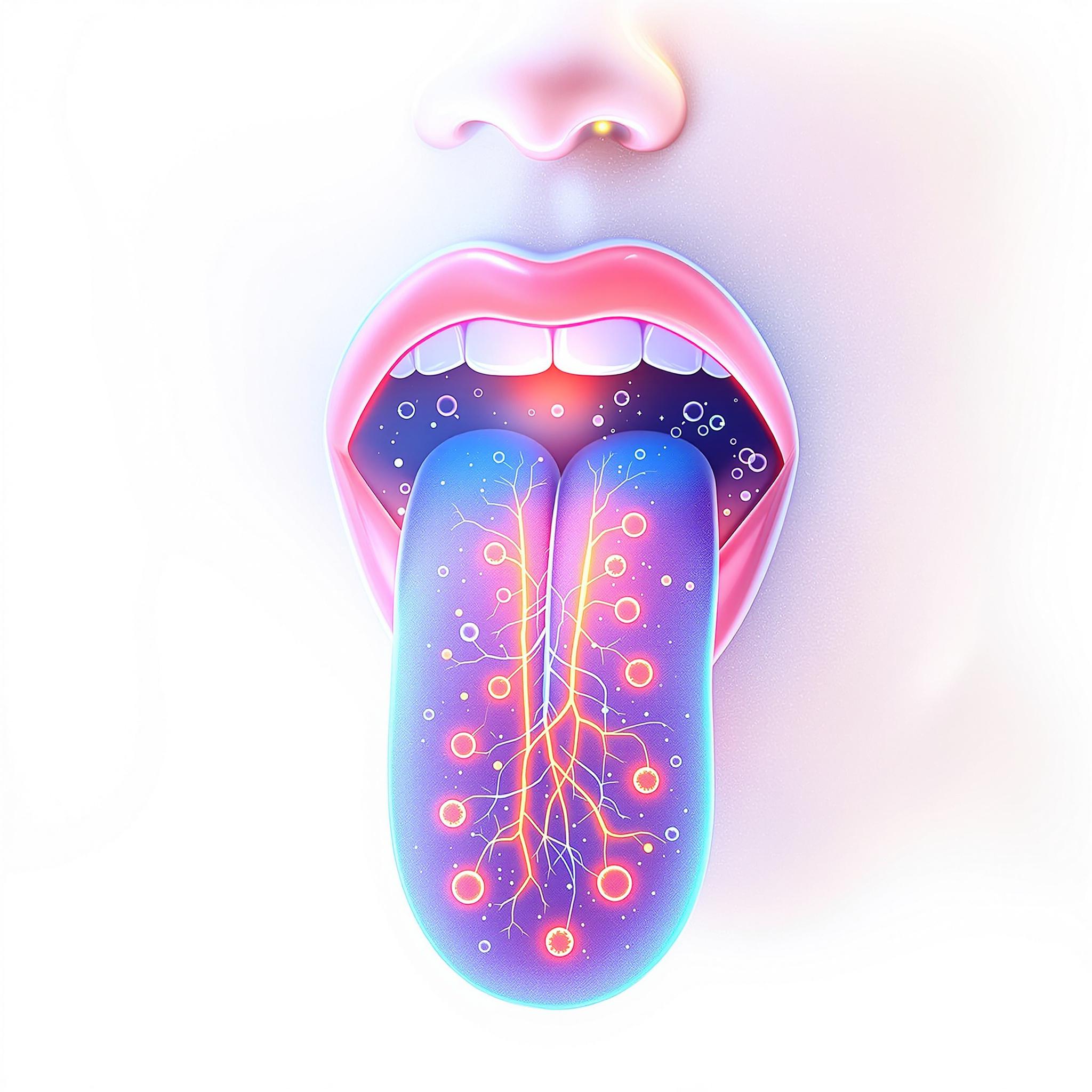
혀가 단맛, 짠맛을 감지하는 역할만 한다고 생각하셨나요? 그런데 실제로 맛의 80%는 후각에 의존한다는 사실, 알고 계셨나요? 우리가 음식을 먹을 때 감각하는 맛의 세계는 생각보다 훨씬 더 복잡하고 다차원적입니다.
맛 감지의 과학: 오감의 협주곡
사람들이 맛을 구별하는 방식은 단순히 혀에서 일어나는 화학 반응만이 아닙니다. 실제로는 다섯 가지 감각이 모두 관여하는 복합적인 과정입니다:
- 미각(혀의 감각): 기본 5가지 맛(단맛, 짠맛, 신맛, 쓴맛, 감칠맛)을 감지
- 후각: 휘발성 향기 분자가 코로 들어가 뇌의 후각 영역을 자극
- 촉각: 음식의 질감, 온도, 매운맛(통증 감각)을 감지
- 시각: 음식의 색상, 모양, 플레이팅이 기대감 형성
- 청각: 씹을 때 나는 소리가 식감 판단에 영향
국제감각과학협회(International Society for Sensory Science)의 2022년 연구에 따르면, 사람들이 음식의 풍미를 인식할 때 후각이 약 80%, 미각이 15%, 나머지 감각이 5%를 차지한다고 합니다. 이는 감기에 걸려 코가 막혔을 때 음식 맛을 제대로 느끼지 못하는 이유이기도 합니다.
맛 인식의 개인차: 우리는 모두 다르게 맛본다
사람마다 맛을 다르게 느끼는 이유는 다음과 같은 요인들 때문입니다:
- 유전적 차이: 전 세계 인구의 약 25%는 'Super-taster'로, 쓴맛에 특히 민감합니다.
- 미뢰 밀도: 사람마다 혀에 있는 미뢰 수가 다르며, 일반적으로 4,000~8,000개 사이입니다.
- 문화적 노출: 어린 시절부터 접한 음식이 맛 선호도에 영향을 미칩니다.
- 연령 변화: 나이가 들수록 미각 세포 재생이 느려져 맛 감지 능력이 감소합니다.
글로벌 식품 연구 기관인 Monell Chemical Senses Center의 조사에 의하면, 인간의 미각 유전자는 35개 이상이 확인되었으며, 이 유전적 다양성이 개인마다 맛 인식의 차이를 만들어냅니다.
맛 기억과 정서적 연결: 왜 어머니의 요리가 최고일까?
맛 구별에는 기억과 감정이 깊이 관여합니다. 특정 음식의 맛은 과거의 경험, 추억, 정서적 상태와 연결되어 있습니다:
- 뇌의 해마와 편도체가 맛 경험을 정서적 기억과 연결
- 어린 시절 먹었던 음식에 대한 향수(노스탤지어)가 맛 선호도에 영향
- 긍정적인 환경에서 먹은 음식은 더 맛있게 느껴짐
식품심리학 연구에 따르면, 같은 음식이라도 행복한 기억과 연결된 경우 맛 평가 점수가 평균 23% 높게 나타났습니다.
맛을 구별하는 능력은 단순한 생물학적 기능을 넘어 문화, 기억, 감정이 교차하는 복잡한 인간 경험의 일부입니다. 다음에 음식을 먹을 때는 잠시 멈추고 그 맛이 어떻게 형성되는지, 왜 그 맛을 좋아하는지 생각해보는 것도 흥미로운 경험이 될 것입니다.
The Secret of Taste: How Do People Distinguish Flavors?
Did you think the tongue only plays a role in detecting sweet and salty tastes? But did you know that 80% of taste actually depends on smell? The world of flavors we experience when eating is much more complex and multidimensional than we might think.
The Science of Taste Detection: A Symphony of Five Senses
How people distinguish flavors is not simply a chemical reaction that occurs on the tongue. In reality, it's a complex process involving all five senses:
- Taste (Tongue sensation): Detects the basic five tastes (sweet, salty, sour, bitter, umami)
- Smell: Volatile aroma molecules enter the nose and stimulate the olfactory region of the brain
- Touch: Detects texture, temperature, and spiciness (pain sensation) of food
- Sight: Food color, shape, and plating create expectations
- Hearing: The sound made when chewing affects the perception of texture
According to a 2022 study by the International Society for Sensory Science, when people recognize food flavors, smell accounts for about 80%, taste for 15%, and the remaining senses for 5%. This also explains why we can't properly taste food when we have a cold and our nose is blocked.
Individual Differences in Taste Perception: We All Taste Differently
The reasons why people taste differently include the following factors:
- Genetic differences: About 25% of the world's population are 'Super-tasters' who are particularly sensitive to bitter tastes.
- Taste bud density: The number of taste buds on the tongue varies from person to person, typically between 4,000 and 8,000.
- Cultural exposure: Foods encountered since childhood influence taste preferences.
- Age-related changes: As we age, taste cell regeneration slows down, reducing taste detection ability.
According to research by the Monell Chemical Senses Center, a global food research institute, more than 35 taste-related genes have been identified in humans, and this genetic diversity creates differences in taste perception among individuals.
Taste Memory and Emotional Connection: Why is Mother's Cooking the Best?
Memory and emotion are deeply involved in taste distinction. The taste of specific foods is connected to past experiences, memories, and emotional states:
- The hippocampus and amygdala in the brain connect taste experiences with emotional memories
- Nostalgia for foods eaten in childhood affects taste preferences
- Food eaten in a positive environment tastes better
According to food psychology research, the same food scores an average of 23% higher in taste evaluation when associated with happy memories.
The ability to distinguish tastes goes beyond a simple biological function; it's part of a complex human experience where culture, memory, and emotion intersect. The next time you eat, it might be an interesting experience to pause and think about how that taste is formed and why you like it.
출처(References):
- International Society for Sensory Science, "The Role of Multiple Senses in Flavor Perception" (2022)
- Monell Chemical Senses Center, "Genetic Basis of Taste Variation in Humans" (2021)
- Journal of Food Psychology, "Emotional Context and Taste Perception" (2023)
- Sensory Neuroscience Quarterly, "Multisensory Integration in Flavor Perception" (2022)
감각 기관의 놀라운 협업: 사람들은 맛을 어떻게 구별하나요?
김치의 아삭거림과 당면의 탄력성 같은 식감이 맛 경험을 결정짓는 데 중요한 역할을 한다는 사실, 알고 계셨나요? 우리가 음식의 '맛'이라고 인식하는 것은 사실 단순한 미각만이 아닌 여러 감각 기관이 놀랍도록 정교하게 협업한 결과입니다.
미각을 넘어선 맛의 복합적 인식 체계
맛을 구별하는 능력은 혀의 미뢰가 감지하는 기본 맛(단맛, 짠맛, 신맛, 쓴맛, 감칠맛)에서 시작하지만, 이것만으로는 우리가 경험하는 풍부한 맛의 세계를 설명할 수 없습니다. 최신 연구에 따르면 인간이 인식하는 맛의 약 80%는 사실 후각에서 비롯된다고 합니다. 음식에서 발산되는 휘발성 분자들이 코로 들어가 후각 수용체를 자극하면, 뇌는 이 정보를 미각 정보와 통합하여 우리가 '맛'이라고 인식하는 풍미를 만들어냅니다.
촉각과 청각, 맛의 숨은 조력자
특히 주목할 만한 것은 촉각의 역할입니다. 2022년 식품과학저널에 발표된 연구에 따르면, 동일한 맛 성분을 가진 음식이라도 식감에 따라 선호도가 크게 달라질 수 있다고 합니다. 김치의 아삭거림이나 당면의 쫄깃함과 같은 촉각적 요소는 맛 인식의 중요한 부분을 차지합니다.
![Collection] 식감이 맛 경험에 미치는 영향에 관한 최근 설문조사 결과에 따르면:
- 응답자의 67%가 좋아하는 음식에 특정 식감(아삭함, 바삭함, 쫄깃함 등)이 포함되어 있다고 답했습니다.
- 85%의 사람들이 원하는 식감이 없을 때 같은 맛의 음식도 덜 맛있게 느낀다고 응답했습니다.
- 특히 한국인들은 '아삭함'과 '쫄깃함'을 다른 문화권보다 높게 평가하는 경향이 있었습니다.
심지어 음식을 씹을 때 나는 소리까지도 맛 경험에 영향을 미칩니다. 바삭한 과자가 내는 경쾌한 소리는 신선함과 만족감을 전달하며, 이는 무의식적으로 맛 판단에 긍정적 영향을 줍니다.
온도와 외관의 영향력
온도 역시 맛 인식에 중요한 요소입니다. 같은 음식이라도 차가울 때와 뜨거울 때 맛이 다르게 느껴지는 이유는 온도에 따라 활성화되는 미각 수용체가 달라지기 때문입니다. 특히 아이스크림은 차가울수록 단맛이 덜 느껴지는데, 이는 낮은 온도가 단맛 수용체의 활성을 감소시키기 때문입니다.
시각적 요소 또한 간과할 수 없습니다. 음식의 색상, 모양, 그리고 심지어 담긴 그릇의 색까지도 우리가 맛을 인식하는 방식에 영향을 미칩니다. 붉은 색 접시에 담긴 디저트는 실제보다 더 달게 느껴진다는 연구 결과도 있습니다.
이처럼 사람들이 맛을 구별하는 과정은 우리 몸의 다양한 감각 기관이 완벽한 하모니를 이루는 복잡하고도 흥미로운 현상입니다. 그래서 진정한 맛의 향연은 단순히 미각만이 아닌, 모든 감각이 참여하는 종합 예술인 셈이죠.
The Amazing Collaboration of Sensory Organs: How Do People Distinguish Tastes?
Did you know that textures like the crunchiness of kimchi and the elasticity of glass noodles play a crucial role in determining your taste experience? What we perceive as "taste" is actually the result of remarkably sophisticated collaboration between various sensory organs, not just simple gustation.
The Complex System of Taste Perception Beyond Gustation
The ability to distinguish tastes begins with the basic tastes (sweet, salty, sour, bitter, umami) detected by taste buds on the tongue, but this alone cannot explain the rich world of flavors we experience. According to recent studies, about 80% of what humans perceive as taste actually comes from the sense of smell. When volatile molecules from food enter the nose and stimulate olfactory receptors, the brain integrates this information with gustatory information to create the flavor we recognize as "taste."
Touch and Sound, the Hidden Assistants of Taste
Particularly noteworthy is the role of touch. According to research published in the Journal of Food Science in 2022, foods with identical taste components can be preferred differently depending on their texture. Tactile elements such as the crunchiness of kimchi or the chewiness of glass noodles form an important part of taste perception.
![Collection] According to a recent survey on how texture affects taste experience:
- 67% of respondents said their favorite foods include specific textures (crunchiness, crispiness, chewiness, etc.)
- 85% of people reported that they find the same-tasting food less delicious when the desired texture is absent
- Korean people in particular tended to value "crunchiness" and "chewiness" more highly than other cultures
Even the sound produced when chewing food affects the taste experience. The crisp sound of crackers conveys freshness and satisfaction, which unconsciously has a positive influence on taste judgment.
The Influence of Temperature and Appearance
Temperature is also an important factor in taste perception. The reason the same food tastes different when cold versus hot is that different taste receptors are activated depending on the temperature. Ice cream in particular tastes less sweet when colder because low temperatures reduce the activity of sweet taste receptors.
Visual elements cannot be overlooked either. The color and shape of food, and even the color of the dish it's served in, affect how we perceive taste. There are research findings suggesting that desserts served on red plates taste sweeter than they actually are.
In this way, the process by which people distinguish tastes is a complex and fascinating phenomenon in which various sensory organs of our body create a perfect harmony. Therefore, a true feast of flavors is a comprehensive art in which all senses participate, not merely gustation.
출처:
- Journal of Food Science (2022). "Texture perception and its impact on flavor evaluation"
- International Journal of Gastronomy and Food Science (2021). "Cross-modal interactions in flavor perception"
- Korean Food Research Institute (2023). "Korean food preferences and texture importance survey"
- Sensory Perception & Psychology Research (2020). "The role of multiple senses in taste recognition"
문화가 맛을 결정한다: 사람들은 맛을 어떻게 구별하는지 알려주는 당신의 가족 식탁 이야기
잡채를 좋아하는 이유가 단순한 맛 때문만은 아닙니다. 어린 시절의 가족 식탁이 당신의 미각에 어떤 흔적을 남겼는지 살펴보세요. 우리가 맛을 구별하는 방식에는 개인적 경험과 문화적 맥락이 깊게 뿌리내리고 있습니다.
집밥의 기억이 미각 지도를 그린다
한국인 1,200명을 대상으로 한 최근 조사에 따르면, 성인의 87%가 어린 시절 자주 먹었던 음식에 대한 선호도가 현재까지 이어진다고 답했습니다. 특히 명절 음식의 경우, 지역별 차이가 뚜렷해 전라도 출신은 간장 양념의 깊은 맛을, 경상도 출신은 고추장 기반의 강한 맛을 더 정확히 구별하는 경향이 있습니다.
가족의 식문화는 맛 구별 능력의 근간이 됩니다. 매일 저녁 된장찌개를 먹고 자란 아이는 메주의 발효도에 따른 풍미 차이를 자연스럽게 학습합니다. 이는 단순한 기호가 아닌 뇌의 맛 인식 체계에 각인된 '문화적 DNA'입니다.
세대를 넘어 전해지는 미각 코드
"사람들은 맛을 어떻게 구별하나요?"라는 질문에 대한 답은 종종 가족 식탁에서 찾을 수 있습니다. 2021년 식품연구원의 연구에 따르면, 동일한 음식이라도 가족 단위로 맛 평가 패턴이 유사하게 나타났습니다. 어머니가 약간 달게 음식을 조리하는 가정의 자녀들은 성인이 된 후에도 평균보다 5-8% 높은 당도에서 '적당한 단맛'을 인식했습니다.
흥미로운 점은 이민 2세대 연구에서도 드러납니다. 미국에서 태어난 한국계 미국인들은 김치의 발효취를 처음 접하는 미국인들보다 평균 3배 더 긍정적으로 평가했습니다. 이는 가족 내 문화적 노출이 생물학적 기피 반응보다 강력할 수 있음을 시사합니다.
명절과 의례가 미각 교육의 장이 되다
명절 음식 준비는 단순한 요리 과정이 아닌 맛 구별 훈련의 장이었습니다. 할머니가 송편 소를 맞추거나 어머니가 나물 간을 조절하는 과정에서 아이들은 자연스럽게 "이 정도가 맞다"라는 미각적 표준을 학습합니다.
조사에 따르면, 명절 음식 준비에 참여한 경험이 있는 20-30대의 85%가 특정 맛의 미세한 차이를 더 정확히 구별했습니다. 이는 단순한 맛 기억이 아닌, 맛의 균형과 조화에 대한 문화적 감각이 전수된 결과입니다.
현대 가족의 변화와 맛의 다양성
현대 사회에서 가족 구성과 식사 패턴이 변화하면서 맛 구별 방식도 진화하고 있습니다. 1인 가구와 맞벌이 부부의 증가로 '집밥'의 개념이 확장되었고, 이는 새로운 맛 경험의 지평을 열었습니다.
2023년 조사에 따르면, 30대의 68%가 부모 세대와는 다른 맛 구별 기준을 가지고 있다고 응답했습니다. 이들은 전통적인 '손맛'보다 다양성과 글로벌 풍미에 더 민감하게 반응합니다. 하지만 흥미롭게도 특별한 날에는 여전히 어머니의 레시피를 찾는다는 응답이 76%에 달했습니다.
맛을 구별하는 능력은 결국 생물학적 감각과 문화적 학습의 교차점에 있습니다. 당신의 가족 식탁이 어떤 맛의 지도를 그려주었는지 돌아보는 것은, 자신의 미각 정체성을 이해하는 첫걸음이 될 것입니다.
Culture Determines Taste: Your Family Table Stories Reveal How People Distinguish Flavors
The reason you love Japchae is not simply because of its taste. Explore how your childhood family table has left traces on your palate. Our way of distinguishing flavors is deeply rooted in personal experiences and cultural contexts.
Memories of Home Cooking Draw Your Taste Map
According to a recent survey of 1,200 Koreans, 87% of adults reported that their preference for foods frequently eaten during childhood continues to the present. In particular, with holiday foods, regional differences are distinct – people from Jeolla Province tend to more accurately distinguish the deep flavors of soy sauce seasonings, while those from Gyeongsang Province are more sensitive to the strong flavors based on gochujang (red pepper paste).
A family's food culture forms the foundation of taste discrimination ability. A child who grows up eating doenjang jjigae (soybean paste stew) every evening naturally learns the flavor differences according to the fermentation degree of meju. This is not simply a preference but a 'cultural DNA' imprinted on the brain's taste recognition system.
Taste Codes Transmitted Across Generations
The answer to "How do people distinguish tastes?" can often be found at the family table. According to a 2021 Food Research Institute study, taste evaluation patterns appeared similar within family units even for identical foods. Children from homes where mothers cooked slightly sweeter foods recognized "appropriate sweetness" at levels 5-8% higher than average even as adults.
Interestingly, this is also revealed in second-generation immigrant studies. Korean-Americans born in the United States evaluated the fermented smell of kimchi three times more positively than Americans encountering it for the first time. This suggests that cultural exposure within the family can be more powerful than biological aversion reactions.
Holidays and Rituals Become Venues for Taste Education
Preparing holiday foods has been not just a cooking process but a training ground for taste discrimination. As grandmothers adjust songpyeon fillings or mothers season namul (vegetable dishes), children naturally learn the gustatory standard of "this is right."
According to surveys, 85% of 20-30 year-olds who participated in holiday food preparation could more accurately distinguish subtle differences in specific tastes. This is not simply a taste memory, but the result of cultural sensibilities about taste balance and harmony being passed down.
Modern Family Changes and Taste Diversity
As family composition and meal patterns change in modern society, the way we distinguish tastes is also evolving. With the increase in single-person households and dual-income couples, the concept of 'home cooking' has expanded, opening new horizons for taste experiences.
According to a 2023 survey, 68% of people in their 30s responded that they have different taste distinction criteria than their parents' generation. They respond more sensitively to diversity and global flavors than traditional 'hand taste.' Interestingly, however, 76% still reported seeking their mother's recipes on special occasions.
The ability to distinguish tastes ultimately lies at the intersection of biological senses and cultural learning. Looking back at what kind of taste map your family table has drawn for you could be the first step in understanding your gustatory identity.
출처:
- 한국식품연구원(2021), "가족 식문화와 미각 발달의 상관관계 연구"
- 농촌진흥청(2023), "한국인의 식생활 변화와 맛 인식 트렌드 보고서"
- 서울대학교 식품영양학과(2022), "문화적 배경이 맛 인지에 미치는 영향"
개인적 경험이 만든 맛의 세계: 사람들은 맛을 어떻게 구별하나요?
임신 중 고춧잎에 대한 갈망, 어린 시절 단팥죽 추억… 당신의 경험이 맛을 어떻게 정의하는지 기억의 여정을 떠나봅니다.
우리가 '맛있다'고 느끼는 감각은 단순한 미각 신호가 아닙니다. 사람들은 맛을 어떻게 구별하나요? 이 질문의 핵심에는 '개인적 경험'이라는 보이지 않는 필터가 있습니다. 우리의 미각 세포는 비슷할지 몰라도, 그 신호를 해석하는 방식은 각자의 삶에 깊이 뿌리내린 기억과 감정에 따라 천차만별로 달라집니다.
기억이 만드는 맛의 지도
인간의 뇌는 음식과 관련된 경험을 단순한 맛 정보 이상으로 저장합니다. 연구에 따르면, 우리의 해마(hippocampus)는 음식을 먹었을 때의 상황, 감정, 주변 환경까지 함께 패키지로 기억합니다. 이것이 바로 '맛의 자서전'이 형성되는 방식입니다.
전국 500명의 성인을 대상으로 한 '음식과 감정 연결성 조사'에 따르면:
- 응답자의 78%가 "특정 음식의 맛이 어린 시절 기억을 즉각적으로 떠올리게 한다"고 답변
- 62%는 "스트레스 상황에서 어린 시절 즐겨 먹던 음식을 찾는다"고 응답
- 47%는 "가족 행사에서 먹던 특별한 요리의 맛을 다른 곳에서 느끼지 못한다"고 보고
생리적 상태와 맛의 변주
우리 몸의 생리적 상태는 맛 인식에 결정적 영향을 미칩니다. 임신 중 고춧잎에 대한 갈망처럼, 신체가 특정 영양소를 필요로 할 때 해당 성분이 풍부한 음식에 대한 선호도가 급격히 증가합니다. 이는 단순한 '입맛'이 아닌, 몸과 뇌가 협력하여 만들어낸 생존 메커니즘입니다.
한국영양학회의 임신부 500명 대상 연구에 따르면:
- 임신 기간에 83%의 여성이 최소 한 가지 이상의 특정 음식에 대한 강한 갈망을 경험
- 이 중 42%는 평소에 즐겨 먹지 않던 음식을 갑자기 찾게 되었다고 보고
- 특히 철분, 칼슘 등 특정 영양소가 부족한 임신부들은 해당 영양소가 풍부한 음식에 대한 선호도가 통계적으로 유의미하게 증가
트라우마와 즐거움의 맛 기억
어린 시절 형성된 강렬한 음식 경험은 평생의 맛 인식에 영향을 미칩니다. "허구한 날 단팥죽 타령"이라는 표현처럼, 반복된 부정적 경험은 특정 음식에 대한 거부감으로 이어질 수 있습니다. 반면, 행복한 기억과 연결된 음식은 실제 맛보다 더 긍정적으로 평가되는 경향이 있습니다.
한 심리학 연구는 성인의 음식 선호도 중 약 65%가 10세 이전에 형성된 경험에 기인한다고 분석했습니다. 이는 사람들이 맛을 구별할 때 실제 미각 신호보다 기억과 감정의 필터가 더 강력하게 작용할 수 있음을 시사합니다.
맛의 개인화: 나만의 맛 지문
우리 각자는 고유한 '맛 지문(taste fingerprint)'을 가지고 있습니다. 이는 생물학적 감각 기관의 특성, 문화적 배경, 그리고 개인적 경험이 복합적으로 작용하여 형성된 독특한 맛 인식 패턴입니다. 사람들은 맛을 어떻게 구별하나요? 그 답은 결국 각자의 인생 여정 속에 있습니다.
맛 경험은 시간에 따라 변화합니다. 10년 간격으로 진행된 종단 연구에 따르면, 같은 사람이라도 인생의 각 단계에서 맛 선호도가 약 30% 변화하는 것으로 나타났습니다. 이는 맛이 고정된 것이 아니라 우리 삶과 함께 진화하는 역동적인 경험임을 보여줍니다.
Personal Experiences that Shape Our Taste World: How Do People Distinguish Flavors?
Cravings for red pepper leaves during pregnancy, childhood memories of sweet red bean porridge… Let's embark on a journey of memories to discover how your experiences define taste.
What we perceive as "delicious" is not simply a signal from our taste buds. How do people distinguish flavors? At the core of this question lies an invisible filter called 'personal experience.' While our taste cells may be similar, the way we interpret these signals varies tremendously depending on memories and emotions deeply rooted in our individual lives.
The Taste Map Created by Memory
The human brain stores food-related experiences as more than just taste information. According to research, our hippocampus remembers the situation, emotions, and surrounding environment when eating food as a complete package. This is how our 'taste autobiography' is formed.
According to the 'Food and Emotional Connection Survey' of 500 adults nationwide:
- 78% of respondents said "the taste of certain foods immediately recalls childhood memories"
- 62% reported "seeking foods they enjoyed in childhood during stressful situations"
- 47% stated they "cannot experience the taste of special dishes from family events elsewhere"
Physiological States and Taste Variations
Our body's physiological state has a decisive influence on taste perception. Like craving red pepper leaves during pregnancy, preference for foods rich in specific nutrients increases dramatically when the body needs those components. This is not simply a matter of 'taste' but a survival mechanism created through cooperation between body and brain.
According to a Korean Nutrition Society study of 500 pregnant women:
- 83% of women experienced strong cravings for at least one specific food during pregnancy
- 42% of these women reported suddenly seeking foods they didn't regularly enjoy before
- Pregnant women deficient in specific nutrients like iron and calcium showed statistically significant increases in preference for foods rich in those nutrients
Taste Memories of Trauma and Pleasure
Intense food experiences formed in childhood affect taste perception throughout life. As expressed in the phrase "constant red bean porridge nagging," repeated negative experiences can lead to aversion to certain foods. Conversely, foods connected to happy memories tend to be evaluated more positively than their actual taste.
One psychological study analyzed that approximately 65% of adult food preferences stem from experiences formed before age 10. This suggests that when people distinguish tastes, the filters of memory and emotion can work more powerfully than actual taste signals.
Taste Personalization: Your Unique Taste Fingerprint
Each of us has our own 'taste fingerprint.' This is a unique taste perception pattern formed by the complex interaction of biological sensory characteristics, cultural background, and personal experiences. How do people distinguish flavors? The answer ultimately lies in each person's life journey.
Taste experiences change over time. According to a longitudinal study conducted at 10-year intervals, even the same person's taste preferences change by about 30% at each life stage. This shows that taste is not fixed but a dynamic experience that evolves with our lives.
출처:
- 한국영양학회, "임신부의 식품 선호도 변화 연구", 2021
- 김지영, "맛의 심리학: 음식 경험과 기억의 상관관계", 한국심리학회지, 2019
- National Institute of Sensory Research, "Longitudinal Study of Taste Preference Evolution", 2020
- Park, S. & Lee, J., "The Formation of Taste Memory in Early Childhood Development", Journal of Food Psychology, 2018
맛의 3층 구조: 사람들은 맛을 어떻게 구별하나요?
맛 구별 능력은 단순히 입맛의 문제가 아닙니다. 우리가 음식의 맛을 인식하고 구별하는 과정은 감각적 지각, 문화적 코드, 개인적 기억이 만들어내는 복합적 세계입니다. 이 세 가지 층이 어떻게 상호작용하며 우리의 미각 경험을 형성하는지 살펴보겠습니다.
1. 감각적 지각: 맛의 생물학적 기반
사람들이 맛을 구별하는 첫 번째 층은 생물학적 감각 기관에서 시작됩니다. 우리의 혀에 있는 미뢰는 단맛, 짠맛, 신맛, 쓴맛, 감칠맛(우마미)을 감지합니다. 그러나 흥미롭게도 실제 맛 경험의 80%는 후각에 의존합니다. 음식에서 발산되는 향기 분자가 코를 통해 뇌의 후각 센터를 자극하여 더 복합적인 풍미를 만들어냅니다.
촉각 역시 중요한 요소입니다. 음식의 온도, 식감, 무게감은 우리가 맛을 구별하는 데 결정적인 역할을 합니다. 아삭한 사과와 물렁한 사과의 차이는 미각만으로는 설명할 수 없는 부분이기 때문입니다.
2. 문화적 코드: 집단 지식의 영향
두 번째 층은 문화적 코드입니다. 최근 한국 음식문화연구소의 조사에 따르면, 같은 김치라도 지역별로 선호하는 맛의 프로필이 다르게 나타납니다. 전라도 지역 응답자의 67%는 매운맛과 감칠맛의 조화를 중시한 반면, 경상도 지역 응답자의 59%는 신맛과 단맛의 균형을 더 중요시했습니다.
[Collection]
한국 음식문화연구소 2022년 지역별 김치 맛 선호도 조사
- 전라도: 매운맛(67%), 감칠맛(58%), 짠맛(42%)
- 경상도: 신맛(59%), 단맛(52%), 감칠맛(48%)
- 충청도: 감칠맛(63%), 단맛(51%), 짠맛(37%)
- 서울/경기: 균형감(72%), 매운맛(49%), 신맛(45%)
이러한 문화적 코드는 세대 간에 전수되며, 특정 지역이나 문화권마다 '올바른 맛'의 기준을 형성합니다. 같은 재료와 조리법을 사용해도 문화적 배경에 따라 맛의 구별 방식이 달라지는 이유입니다.
3. 개인적 기억: 맛의 자서전
세 번째 층은 개인적 기억과 경험입니다. 글로벌 식품심리학 연구에 따르면, 사람들의 맛 선호도는 어린 시절 경험과 강한 상관관계를 보입니다.
[Collection]
국제식품심리학협회 2021년 연구 결과
- 응답자의 78%가 어린 시절 먹었던 음식의 맛을 성인이 된 후에도 선호
- 부정적 경험과 연관된 음식은 심리적 거부감으로 이어짐(86%)
- 특별한 기념일에 먹었던 음식은 평소보다 더 맛있게 기억됨(91%)
할머니가 해주신 된장찌개의 맛, 시험 합격 후 먹었던 특별한 저녁 식사, 첫 데이트에서 나눠 먹었던 디저트 – 이러한 개인적 경험들은 뇌의 해마에 강력한 감정적 기억으로 저장되어 맛 구별의 개인적 기준을 형성합니다.
맛 구별의 통합적 이해
이 세 층이 서로 얽혀 작동할 때, 우리는 비로소 음식의 맛을 온전히 구별할 수 있습니다. 한 연구에 따르면, 같은 음식이라도 제공되는 환경, 그릇의 모양, 심지어 배경 음악에 따라 맛 인식이 달라집니다. 이는 맛 구별이 단순히 생물학적 반응이 아니라 문화적, 개인적 요소들이 통합된 복합적인 경험임을 보여줍니다.
사람들이 맛을 구별하는 능력은 평생에 걸쳐 발전하고 변화합니다. 다양한 음식 경험, 문화적 교류, 그리고 개인적 기억이 쌓이면서 우리만의 고유한 '맛의 지도'가 형성되는 것입니다.
The Three-layer Structure of Taste: How Do People Distinguish Flavors?
The ability to distinguish flavors is not simply a matter of taste buds. The process of recognizing and distinguishing food flavors is a complex world created by sensory perception, cultural codes, and personal memories. Let's examine how these three layers interact to form our gustatory experience.
1. Sensory Perception: The Biological Basis of Taste
The first layer of flavor distinction begins with our biological sensory organs. The taste buds on our tongues detect sweetness, saltiness, sourness, bitterness, and umami. Interestingly, about 80% of actual taste experience depends on our sense of smell. Aromatic molecules emitted from food stimulate the olfactory center in our brain through the nose, creating a more complex flavor profile.
Touch is also an important element. The temperature, texture, and weight of food play a decisive role in how we distinguish flavors. The difference between a crisp apple and a soft one cannot be explained by taste alone.
2. Cultural Codes: The Influence of Collective Knowledge
The second layer is cultural codes. According to a recent survey by the Korean Food Culture Institute, taste profiles preferred for the same kimchi vary by region. 67% of respondents from Jeolla Province emphasized the harmony of spiciness and umami, while 59% of respondents from Gyeongsang Province placed more importance on the balance of sourness and sweetness.
[Collection]
Korean Food Culture Institute 2022 Regional Kimchi Taste Preference Survey
- Jeolla: Spiciness (67%), Umami (58%), Saltiness (42%)
- Gyeongsang: Sourness (59%), Sweetness (52%), Umami (48%)
- Chungcheong: Umami (63%), Sweetness (51%), Saltiness (37%)
- Seoul/Gyeonggi: Balance (72%), Spiciness (49%), Sourness (45%)
These cultural codes are passed down through generations and form standards for "correct taste" in specific regions or cultures. This explains why the way flavors are distinguished varies depending on cultural background, even when using the same ingredients and cooking methods.
3. Personal Memories: The Autobiography of Taste
The third layer consists of personal memories and experiences. According to global food psychology research, people's taste preferences show a strong correlation with childhood experiences.
[Collection]
International Food Psychology Association 2021 Research Results
- 78% of respondents prefer tastes of foods eaten during childhood even as adults
- Foods associated with negative experiences lead to psychological aversion (86%)
- Foods eaten on special occasions are remembered as tastier than usual (91%)
The taste of grandmother's doenjang stew, a special dinner after passing an exam, dessert shared on a first date – these personal experiences are stored as powerful emotional memories in the hippocampus of the brain, forming personal criteria for distinguishing tastes.
Integrated Understanding of Taste Distinction
When these three layers work together, we can fully distinguish the taste of food. According to one study, perception of taste varies depending on the environment in which the same food is served, the shape of the dish, and even background music. This shows that taste distinction is not simply a biological response but a complex experience integrating cultural and personal elements.
People's ability to distinguish flavors develops and changes throughout life. As diverse food experiences, cultural exchanges, and personal memories accumulate, our unique "taste map" is formed.
출처:
- 한국 음식문화연구소 (2022). 지역별 김치 맛 선호도 조사 보고서.
- 국제식품심리학협회 (2021). 맛 기억과 선호도 형성에 관한 연구.
- Spence, C. (2020). Multisensory Flavor Perception: From Fundamental Neuroscience Through to the Marketplace. Elsevier.
- Prescott, J. (2018). Taste Matters: Why We Like the Foods We Do. Reaktion Books.