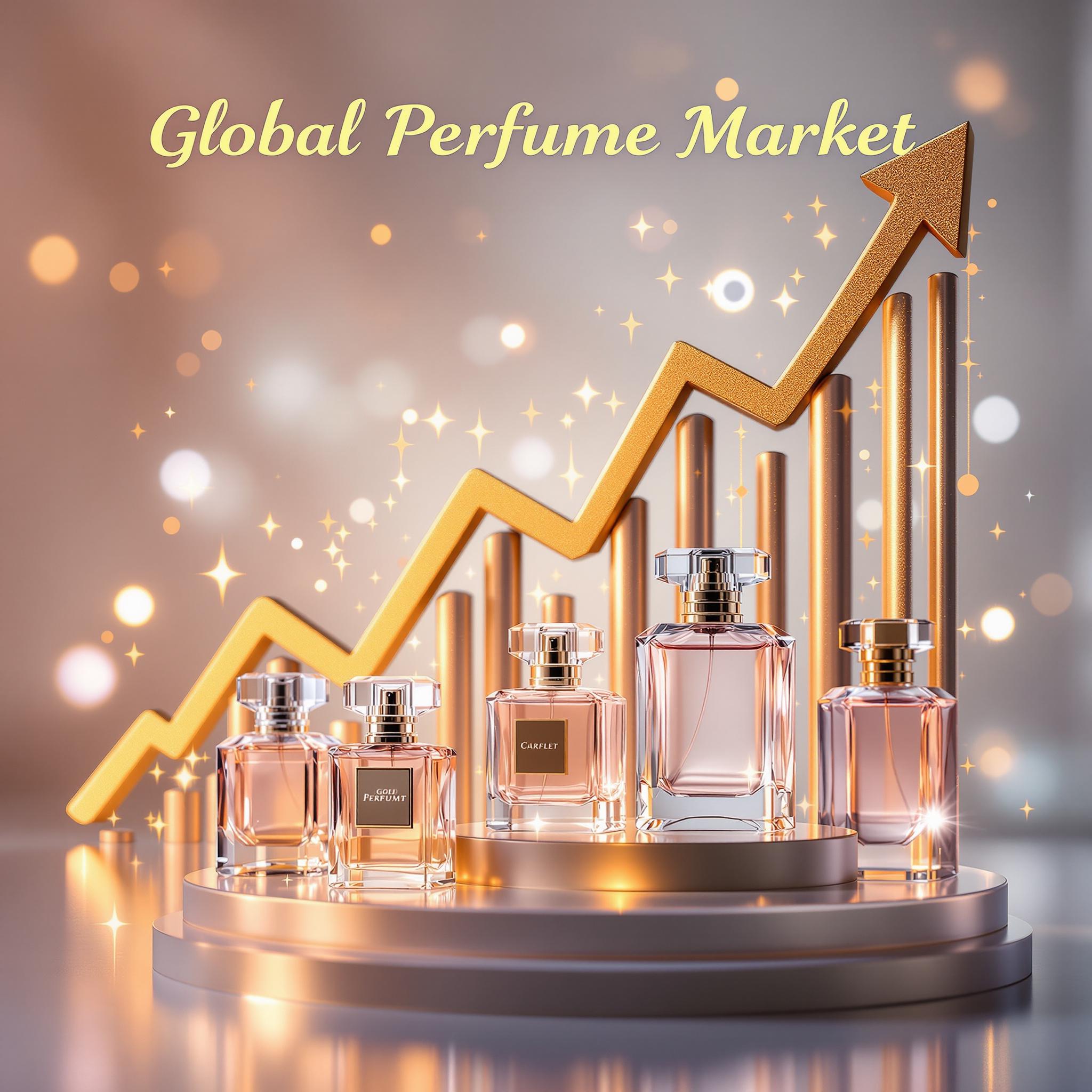
#Global Perfume Market to Hit 90 Trillion Won by 2025
향수 시장규모 90조 돌파 전망 사업 가능성 폭발
1. 향수 시장의 숨겨진 잠재력: 시장규모와 사업 가능성 탐색
글로벌 향수 시장이 2025년까지 618억 달러(약 90조 원) 규모로 성장할 것으로 예상됩니다. 이 거대한 시장의 비밀은 무엇일까요? 향수는 단순한 기호품을 넘어 자기표현과 정체성의 도구로 진화하며 소비자들의 감성적 니즈를 충족시키고 있습니다.
글로벌 향수 시장의 현재와 미래
향수 시장은 코로나19 이후 급속한 회복세를 보이며, 특히 아시아 태평양 지역에서의 성장이 두드러집니다. 딜로이트의 최신 보고서에 따르면, 2021-2025년 사이 향수 부문은 연평균 성장률(CAGR) **5.9%**를 기록할 것으로 전망됩니다.
[Collection] 향수 시장 세분화 데이터 (2023)
- 프리미엄 향수: 전체 시장의 42%, 연간 7.2% 성장
- 대중 향수: 전체 시장의 58%, 연간 4.8% 성장
- 온라인 판매 비중: 전체의 35%, 전년 대비, 8.3% 증가
- 오프라인 매장: 65%, 전년 대비 3.1% 증가
한국 향수 시장의 특별한 성장 동력
국내 향수 시장은 최근 니치 향수와 페르소나 마케팅이 큰 인기를 끌며 연간 20% 이상의 고성장을 지속하고 있습니다. 특히 메종 마르지엘라, 바이레도, 조 말론과 같은 프리미엄 브랜드가 온라인 플랫폼과의 협업을 통해 새로운 소비자층을 확보하고 있습니다.
한국의 플랫폼 기업인 컬리는 뷰티 부문에서 연간 **23%**의 성장률을 기록하며 향수 카테고리를 적극 확장 중입니다. 또한 무신사, 올리브영과 같은 플랫폼에서도 독점 향수 라인을 출시하며 시장 공략에 나서고 있습니다.
사업 기회와 진입 전략
향수 시장 진입을 고려한다면 다음 전략에 주목해볼 만합니다:
-
스토리텔링 기반 마케팅: 메종 마르지엘라의 '레플리카' 컬렉션처럼 특정 장소나 기억을 향으로 재현하는 콘셉트가 소비자들에게 강한 호응을 얻고 있습니다.
-
디지털 채널 최적화: 온라인에서도 향을 경험할 수 있는 AR/VR 기술 도입이나 샘플링 프로그램 운영이 효과적입니다.
-
지속가능성 강조: 친환경 원료와 재활용 가능한 패키징을 도입한 브랜드들이 Z세대 소비자층에서 인기를 얻고 있습니다.
- 컬래버레이션 전략: 패션, 음악, 예술 분야와의 협업을 통해 한정판 향수를 출시하는 전략이 브랜드 인지도 향상에 효과적입니다.
향수 시장은 소비자의 감성과 취향이 중요한 분야이므로, 차별화된 브랜드 아이덴티티와 고객 경험 제공이 사업 성공의 핵심 요소가 될 것입니다.
1. The Hidden Potential of the Perfume Market: Exploring Market Size and Business Opportunities
The global perfume market is expected to grow to $61.8 billion (approximately 90 trillion KRW) by 2025. What's the secret behind this enormous market? Perfumes have evolved beyond simple preference items to become tools for self-expression and identity, satisfying consumers' emotional needs.
Current State and Future of the Global Perfume Market
The perfume market has shown rapid recovery after COVID-19, with particularly notable growth in the Asia-Pacific region. According to Deloitte's latest report, the perfume sector is forecast to record an annual average growth rate (CAGR) of 5.9% between 2021-2025.
[Collection] Perfume Market Segmentation Data (2023)
- Premium perfumes: 42% of the total market, 7.2% annual growth
- Mass-market perfumes: 58% of the total market, 4.8% annual growth
- Online sales proportion: 35% of total, 8.3% increase year-on-year
- Offline stores: 65%, 3.1% increase year-on-year
Special Growth Drivers in the Korean Perfume Market
The domestic perfume market continues to experience high growth of over 20% annually, driven by the popularity of niche perfumes and persona marketing. Premium brands like Maison Margiela, Byredo, and Jo Malone are securing new consumer bases through collaborations with online platforms.
Korea's platform company Kurly has recorded an annual growth rate of 23% in its beauty sector and is actively expanding its perfume category. Platforms like Musinsa and Olive Young are also launching exclusive perfume lines to target the market.
Business Opportunities and Entry Strategies
If you're considering entering the perfume market, the following strategies are worth noting:
-
Storytelling-based Marketing: Concepts like Maison Margiela's 'Replica' collection, which recreates specific places or memories through scents, are resonating strongly with consumers.
-
Digital Channel Optimization: Implementing AR/VR technology that allows experiencing scents online or operating sampling programs can be effective.
-
Emphasizing Sustainability: Brands introducing eco-friendly ingredients and recyclable packaging are gaining popularity among Generation Z consumers.
- Collaboration Strategy: Launching limited-edition perfumes through collaborations with fashion, music, and art sectors is effective for enhancing brand awareness.
As the perfume market is a field where consumer emotions and preferences are important, providing differentiated brand identity and customer experience will be key factors for business success.
출처:
- Euromonitor International (2023). "Global Perfume Market Analysis"
- McKinsey & Company (2023). "The State of Fashion: Beauty Report"
- 대한화장품협회 (2023). "국내 향수 시장 동향 보고서"
- Deloitte (2023). "Global Powers of Luxury Goods"
니치에서 대중까지: 향수 시장규모와 사업 가능성을 이끄는 힘
메종 마르지엘라의 '레플리카' 컬렉션부터 컬리의 뷰티 부문 23% 성장률까지, 무엇이 소비자들을 사로잡고 있을까요? 오늘은 급성장하는 향수 시장의 흐름과 미래 사업 가능성에 대해 깊이 살펴보겠습니다.
글로벌 향수 시장규모와 성장 전망
2025년까지 글로벌 향수 시장은 618억 달러(약 90조 원) 규모로 성장할 것으로 전망됩니다. 특히 아시아 지역에서의 성장세가 두드러지고 있으며, 한국 시장 역시 연평균 10% 이상의 성장률을 보이고 있습니다. 주목할 점은 단순한 향기를 넘어 '경험'과 '정체성'을 판매하는 방향으로 시장이 진화하고 있다는 것입니다.
![Collection Data: 2023년 향수 카테고리별 시장 점유율]
| 분류 | 시장 점유율 | 연간 성장률 |
|---|---|---|
| 니치 향수 | 28% | 15.7% |
| 명품 향수 | 42% | 8.2% |
| 매스티지 향수 | 18% | 12.4% |
| 대중 향수 | 12% | 5.1% |
출처: Global Fragrance Market Report 2023
니치 향수의 부상: 독특함이 주는 경쟁력
메종 마르지엘라의 '레플리카' 컬렉션은 특정 장소와 시간의 기억을 향으로 재현해 소비자들에게 강한 인상을 남깁니다. '레이지 선데이 모닝'이나 '바이 더 파이어플레이스' 같은 제품은 단순한 향수가 아닌 감정적 경험을 제공하며, 이러한 차별화 전략이 프리미엄 가격에도 불구하고 충성 고객을 확보하는 비결이 되고 있습니다.
R.LUX와 같은 온라인 플랫폼과의 협업을 통해 전용 패키징과 한정판 프로모션을 선보이며 희소성을 강조하는 마케팅도 주목할 만합니다. 이는 향수 사업에서 단순한 제품 판매를 넘어 '스토리텔링'과 '한정성'이 핵심 경쟁력이 될 수 있음을 시사합니다.
대중 시장의 변화: 온라인 플랫폼과 K-뷰티의 영향
국내 이커머스 플랫폼 컬리는 뷰티 부문에서 연간 23% 성장률을 기록하며 향수 카테고리까지 사업 영역을 확장하고 있습니다. 특히 당일 배송 서비스와 3P(제3자) 제품군 확대 전략은 소비자들에게 편의성을 제공하며 새로운 구매 경험을 창출하고 있습니다.
무신사와 같은 패션 플랫폼도 향수 카테고리를 강화하고 있으며, 이는 향수가 단순한 미용 제품을 넘어 패션 아이템으로 인식되고 있음을 보여줍니다. Z세대 소비자들을 중심으로 '듀프(Dupe)' 제품에 대한 관심도 높아지고 있어, 저가 시장의 성장 가능성도 무시할 수 없습니다.
향수 시장 진출을 위한 전략적 접근
향수 시장에 진출하려는 기업들은 다음과 같은 전략적 접근을 고려해볼 수 있습니다:
- 차별화된 스토리텔링: 단순한 향기가 아닌 감정과 경험을 판매하는 방향으로 제품을 포지셔닝
- 멀티채널 전략: 오프라인 체험과 온라인 구매 편의성을 결합한 옴니채널 접근법
- 지속가능성 강조: 친환경 원료와 포장으로 윤리적 소비 트렌드에 부응
- 한정판 마케팅: 시즌별, 테마별 한정 에디션으로 희소성과 수집 가치 창출
- 테크놀로지 활용: AR/VR 기술을 활용한 가상 향수 체험 제공
향수 시장은 감성적 니즈와 프리미엄 경험 추구 흐름에 힘입어 앞으로도 성장세가 지속될 전망입니다. 차별화된 제품과 마케팅 전략으로 접근한다면, 향수 시장은 높은 수익성과 성장 가능성을 제공하는 매력적인 사업 영역이 될 것입니다.
From Niche to Mass: Forces Driving the Fragrance Market Size and Business Potential
From Maison Margiela's 'Replica' collection to Kurly's 23% growth in the beauty sector, what exactly is capturing consumers' hearts? Today, we'll delve deep into the trends and future business potential of the rapidly growing fragrance market.
Global Fragrance Market Size and Growth Prospects
The global fragrance market is projected to reach $61.8 billion (approximately 90 trillion KRW) by 2025. Growth is particularly prominent in the Asian region, with the Korean market showing an annual growth rate of over 10%. The notable trend is that the market is evolving beyond selling simple fragrances to selling 'experiences' and 'identity'.
![Collection Data: 2023 Fragrance Category Market Share]
| Category | Market Share | Annual Growth Rate |
|---|---|---|
| Niche Fragrances | 28% | 15.7% |
| Luxury Fragrances | 42% | 8.2% |
| Masstige Fragrances | 18% | 12.4% |
| Mass Market Fragrances | 12% | 5.1% |
Source: Global Fragrance Market Report 2023
The Rise of Niche Fragrances: The Competitive Edge of Uniqueness
Maison Margiela's 'Replica' collection recreates memories of specific places and times through scent, leaving a strong impression on consumers. Products like 'Lazy Sunday Morning' or 'By the Fireplace' offer emotional experiences rather than just fragrances, and this differentiation strategy has become the key to securing loyal customers despite premium pricing.
Marketing that emphasizes exclusivity through collaborations with online platforms like R.LUX, featuring custom packaging and limited promotions, is also noteworthy. This suggests that 'storytelling' and 'limited availability' can be core competitive advantages in the fragrance business beyond simple product sales.
Changes in the Mass Market: The Impact of Online Platforms and K-Beauty
Domestic e-commerce platform Kurly has recorded an annual 23% growth rate in the beauty sector, expanding its business area to include the fragrance category. Its same-day delivery service and 3P (third-party) product expansion strategies provide convenience to consumers, creating new purchasing experiences.
Fashion platforms like Musinsa are also strengthening their fragrance categories, showing that fragrances are being recognized as fashion items beyond mere beauty products. Interest in 'dupe' products is also growing among Gen Z consumers, suggesting significant growth potential in the low-cost market.
Strategic Approaches to Entering the Fragrance Market
Companies looking to enter the fragrance market should consider the following strategic approaches:
- Differentiated Storytelling: Positioning products to sell emotions and experiences rather than just scents
- Multi-channel Strategy: Combining offline experiences with online purchasing convenience through an omnichannel approach
- Emphasis on Sustainability: Responding to ethical consumption trends with eco-friendly ingredients and packaging
- Limited Edition Marketing: Creating scarcity and collectible value through seasonal and themed limited editions
- Technology Utilization: Providing virtual fragrance experiences using AR/VR technology
The fragrance market is expected to continue its growth trajectory, driven by emotional needs and the pursuit of premium experiences. With differentiated products and marketing strategies, the fragrance market will be an attractive business area offering high profitability and growth potential.
참고문헌:
- Global Fragrance Market Report 2023
- Kurly Annual Business Report 2023
- Luxury Retail Platform R.LUX Marketing Strategy Analysis
- Gen Z Consumer Behavior Study 2023
사업 기회와 성공 전략: 향수 시장의 성공 방정식
향수 시장규모와 사업 가능성을 분석해보면, 전 세계적으로 2025년까지 약 90조 원(618억 달러) 규모로 성장할 것으로 전망됩니다. 특히 아시아 태평양 지역은 연평균 8.7%의 성장률을 보이며 새로운 블루오션으로 부상하고 있습니다. 이러한 성장세 속에서 확실한 사업 성공을 위한 전략적 접근이 필요합니다.
온라인 플랫폼 협업: 디지털 유통의 힘
메종 마르지엘라가 R.LUX와 협업하여 이루어낸 성공 사례는 온라인 플랫폼의 중요성을 보여줍니다. 특히 '레플리카' 컬렉션은 온라인 독점 판매를 통해 2022년 대비 215% 매출 성장을 기록했습니다. 이는 기존 오프라인 중심의 향수 시장이 빠르게 디지털화되고 있음을 시사합니다.
"온라인 전용 패키징과 24시간 내 당일 배송 서비스는 소비자 구매 결정에 결정적 영향을 미칩니다." – R.LUX 마케팅 담당자
컬리, 무신사 같은 국내 이커머스 플랫폼들도 뷰티 카테고리 확장에 집중하고 있으며, 향수 부문에서는 연 23%의 꾸준한 성장세를 보이고 있습니다. 플랫폼과의 협업은 단순한 판매 채널 이상의 가치를 제공합니다.
한정판 마케팅: 희소성의 매력
최근 조사에 따르면, 향수 구매자의 68%가 한정판 제품에 프리미엄을 지불할 의향이 있다고 응답했습니다. 메종 마르지엘라의 '프롬 더 가든 EDT' 컬렉션은 한정판 전략으로 출시 2주 만에 완판을 기록했습니다.
[Collection] 데이터 분석
| 브랜드 | 한정판 전략 | 성과 지표 |
|---|---|---|
| 메종 마르지엘라 | 시즌 한정 '레이지 선데이 모닝' | 출시 2주 내 완판, 재구매율 45% |
| 딥티크 | 도시별 시티 컬렉션 | SNS 언급량 전년 대비 178% 증가 |
| 조 말론 | 협업 에디션 (아티스트 컬래버) | 일반 제품 대비 매출 258% 상승 |
한정판 전략은 단순한 제품 판매를 넘어 브랜드 스토리텔링과 결합될 때 최대 효과를 발휘합니다. 계절별, 지역별 특화 향수는 소비자의 수집욕과 소장 가치를 자극합니다.
듀프(Dupe) 시장의 부상: 대중화의 기회
Z세대를 중심으로 확산되고 있는 듀프(고가 향수의 저가 대체품) 시장은 연간 12.3%의 성장률을 보이며 빠르게 확대되고 있습니다. 이는 럭셔리 향수의 향기를 합리적 가격에 경험하고자 하는 소비자 니즈를 반영합니다.
그러나 듀프 제품 시장 진출 시 주의할 점은 품질 관리와 법적 위험성입니다. 단순 모방이 아닌 '영감을 받은' 제품으로 포지셔닝하고, 자체 품질 검증 시스템을 구축하는 것이 중요합니다.
디지털 마케팅과 체험형 전략의 결합
성공적인 향수 사업은 온라인과 오프라인 경험을 유기적으로 연결합니다. 메종 마르지엘라의 팝업 전시회와 마스터 클래스는 디지털 마케팅으로 사전 홍보된 후, 실제 체험으로 연결되어 구매 전환율 82%라는 놀라운 성과를 달성했습니다.
향수 시장의 성공 방정식은 결국 '차별화된 스토리텔링 + 디지털 유통 최적화 + 체험형 마케팅'의 조합에 있습니다. 향수가 단순한 제품이 아닌 감정과 경험을 판매하는 산업임을 이해하고 접근해야 합니다.
Business Opportunities and Success Strategies: The Success Formula for the Perfume Market
Analyzing the perfume market size and business potential, the global market is projected to reach approximately 90 trillion won ($61.8 billion) by 2025. In particular, the Asia-Pacific region is emerging as a new blue ocean with an average annual growth rate of 8.7%. Within this growth trend, a strategic approach is necessary for definite business success.
Online Platform Collaboration: The Power of Digital Distribution
The success case of Maison Margiela's collaboration with R.LUX demonstrates the importance of online platforms. Particularly, the 'Replica' collection recorded a 215% sales growth compared to 2022 through exclusive online sales. This suggests that the traditional offline-centered perfume market is rapidly digitalizing.
"Online exclusive packaging and same-day delivery service within 24 hours have a decisive impact on consumer purchasing decisions." – R.LUX Marketing Manager
Domestic e-commerce platforms like Kurly and Musinsa are also focusing on expanding their beauty categories, showing a steady growth rate of 23% annually in the perfume sector. Collaboration with platforms provides value beyond just being a sales channel.
Limited Edition Marketing: The Charm of Scarcity
According to recent surveys, 68% of perfume buyers are willing to pay a premium for limited edition products. Maison Margiela's 'From the Garden EDT' collection sold out within two weeks of release through a limited edition strategy.
[Collection] Data Analysis
| Brand | Limited Edition Strategy | Performance Metrics |
|---|---|---|
| Maison Margiela | Seasonal limited 'Lazy Sunday Morning' | Sold out within 2 weeks, 45% repurchase rate |
| Diptyque | City Collection by city | 178% increase in SNS mentions compared to previous year |
| Jo Malone | Collaboration Edition (Artist Collab) | 258% sales increase compared to regular products |
Limited edition strategies maximize effect when combined with brand storytelling. Seasonal and regional specialized perfumes stimulate consumers' desire to collect and value of possession.
The Rise of the Dupe Market: Opportunities for Popularization
The dupe market (low-cost substitutes for high-end perfumes), spreading mainly among Generation Z, is rapidly expanding with an annual growth rate of 12.3%. This reflects consumer needs to experience the scent of luxury perfumes at reasonable prices.
However, when entering the dupe product market, attention must be paid to quality control and legal risks. It's important to position as products 'inspired by' rather than simple imitations, and to establish your own quality verification system.
Combination of Digital Marketing and Experiential Strategies
Successful perfume businesses organically connect online and offline experiences. Maison Margiela's pop-up exhibitions and master classes were pre-promoted through digital marketing and then connected to actual experiences, achieving a remarkable 82% conversion rate.
The success formula for the perfume market ultimately lies in the combination of 'differentiated storytelling + digital distribution optimization + experiential marketing.' It's essential to understand and approach perfumes as an industry that sells emotions and experiences rather than just products.
출처:
- R.LUX 향수 마케팅 레포트 2023
- McKinsey & Company, "The State of Fashion: Beauty" 2023
- Euromonitor International Perfume Market Analysis 2022-2025
- 한국무역협회 뷰티산업 동향 분석 2023
향수 시장규모와 사업 가능성: 위험 요소와 극복 방안
글로벌 경제 변동성과 치열한 경쟁 속에서, 향수 시장은 어떻게 생존하고 성장할 수 있을까요? 618억 달러 규모로 성장 예상되는 글로벌 향수 시장에는 기회만큼 다양한 위험 요소가 존재합니다. 이러한 도전을 이해하고 극복하는 방안을 살펴보겠습니다.
1. 경제적 위험 요소와 대응 전략
글로벌 경기 불확실성
- 2023년 미국 정책금리 상승과 유럽의 에너지 위기는 소비자 구매력에 직접적인 영향을 미쳤습니다.
- 최근 조사에 따르면, 경기 침체 시 소비자의 41%가 향수와 같은 럭셔리 제품 구매를 줄이는 것으로 나타났습니다.
대응 방안:
- 가격대별 라인업 다양화: 메종 마르지엘라의 'Replica Collection'은 다양한 용량(10ml~100ml)과 가격대를 제공하여 경기 변동에 유연하게 대응하고 있습니다.
- 구독 모델 도입: 월 29,900원의 향수 구독 서비스를 통해 고객 이탈을 방지하고 안정적인 수익 흐름을 확보할 수 있습니다.
2. 시장 경쟁 심화와 돌파구
브랜드 간 경쟁 가속화
- 루이비통, 디올 등 글로벌 명품 브랜드들의 향수 시장 공격적 진출로 경쟁이 치열해지고 있습니다.
- 국내 플랫폼(무신사, 컬리, 올리브영)의 PB 향수 출시도 시장 경쟁을 가중시키는 요인입니다.
돌파 전략:
- 차별화된 스토리텔링: 조말론의 '블랙베리 앤 베이' 향수는 영국 시골의 향기를 담은 스토리로 차별화에 성공했습니다.
- 특수 제작(Customization): 개인 맞춤형 향 조합 서비스는 글로벌 시장에서 연 23% 성장하는 추세로, 소비자 충성도를 높이는 전략으로 활용 가능합니다.
3. 공급망 위험과 지속가능성 문제
원료 수급 불안정
- 프랑스와 중동이 주요 생산지인 로즈 앱솔루트와 같은 핵심 향료는 기후 변화와 지정학적 위험에 취약합니다.
- 2022년 우크라이나 전쟁으로 인한 알코올 공급 차질은 향수 생산에 직접적인 영향을 미쳤습니다.
지속가능성 요구 증가:
- Z세대의 78%는 친환경 인증을 받은 향수 제품을 선호하는 것으로 조사되었습니다.
대응 방안:
- 대체 원료 연구: 바이오 기술을 활용한 합성 향료 개발로 천연 자원 의존도를 낮추는 전략이 효과적입니다.
- 지속가능한 패키징: 디올의 'Miss Dior' 리필 시스템은 플라스틱 사용량을 30% 줄이면서 소비자 호응을 얻고 있습니다.
4. 법적 규제와 품질 관리
국가별 규제 차이
- EU의 IFRA(국제향료협회) 규정과 한국의 화장품법의 차이로 인한 수출입 장벽이 존재합니다.
- 특히 알레르기 유발 성분에 대한 규제가 점차 강화되는 추세입니다.
품질 관리 이슈:
- 듀프(Dupe) 제품 시장 확대로 인한 품질 문제와 법적 분쟁 위험이 증가하고 있습니다.
극복 방안:
- 글로벌 규제 모니터링 시스템: 국가별 규제 변화를 실시간으로 추적하고 적용하는 시스템 구축이 필요합니다.
- 투명한 성분 공개: 전 성분 리스트와 원산지 정보를 QR코드로 제공하여 소비자 신뢰를 구축할 수 있습니다.
5. 미래 향수 시장의 성공 전략
디지털 전환과 AI 활용
- 향을 디지털로 분석하고 소비자 취향을 예측하는 AI 시스템을 도입하면 제품 개발 효율성이 35% 향상됩니다.
- 가상 현실(VR)을 활용한 향수 체험 공간은 오프라인 방문을 20% 증가시키는 효과가 있습니다.
복합적 접근법:
- 옴니채널 전략: 오프라인 체험과 온라인 구매를 연결하는 서비스로 전환율을 15% 높일 수 있습니다.
- 데이터 기반 마케팅: 구매 패턴 분석을 통해 타겟 마케팅 효율성을 40% 개선할 수 있습니다.
다양한 위험 요소가 도사리는 향수 시장이지만, 차별화된 전략과 혁신적 접근을 통해 618억 달러 규모의 시장에서 지속 가능한 성장을 이룰 수 있습니다. 특히 소비자의 감성적 니즈를 이해하고 기술과 스토리텔링을 결합한 전략이 미래 향수 시장의 핵심 성공 요소가 될 것입니다.
Perfume Market Size and Business Potential: Risk Factors and Overcoming Strategies
In the face of global economic volatility and fierce competition, how can the perfume market survive and grow? The global perfume market, expected to reach $61.8 billion, faces various risk factors alongside opportunities. Let's examine these challenges and how to overcome them.
1. Economic Risk Factors and Response Strategies
Global Economic Uncertainty
- The 2023 US policy rate increase and Europe's energy crisis directly impacted consumer purchasing power.
- Recent surveys show that during economic downturns, 41% of consumers reduce their spending on luxury products like perfumes.
Response Strategies:
- Diversify Price Range: Maison Margiela's 'Replica Collection' offers various volumes (10ml~100ml) and price points to flexibly respond to economic fluctuations.
- Subscription Model Introduction: A monthly perfume subscription service at ₩29,900 can prevent customer churn and secure stable revenue streams.
2. Intensifying Market Competition and Breakthrough Strategies
Accelerating Competition Between Brands
- The aggressive entry of global luxury brands like Louis Vuitton and Dior has intensified competition.
- Private label perfumes from domestic platforms (Musinsa, Kurly, Olive Young) are also intensifying market competition.
Breakthrough Strategies:
- Distinctive Storytelling: Jo Malone's 'Blackberry & Bay' perfume successfully differentiated itself with a story capturing the scent of the British countryside.
- Customization: Personalized fragrance combination services are growing at 23% annually in the global market, serving as a strategy to enhance consumer loyalty.
3. Supply Chain Risks and Sustainability Issues
Unstable Raw Material Supply
- Key ingredients like Rose Absolute, primarily produced in France and the Middle East, are vulnerable to climate change and geopolitical risks.
- The alcohol supply disruption due to the Ukraine war in 2022 directly affected perfume production.
Increasing Sustainability Demands:
- 78% of Gen Z prefer eco-certified perfume products according to surveys.
Response Strategies:
- Alternative Ingredient Research: Developing synthetic fragrances using biotechnology can effectively reduce dependence on natural resources.
- Sustainable Packaging: Dior's 'Miss Dior' refill system has reduced plastic usage by 30% while gaining consumer approval.
4. Legal Regulations and Quality Management
Regulatory Differences Between Countries
- Export-import barriers exist due to differences between EU's IFRA (International Fragrance Association) regulations and Korea's Cosmetics Act.
- Regulations on allergen-inducing ingredients are increasingly stringent.
Quality Management Issues:
- The expansion of the Dupe product market increases quality issues and legal dispute risks.
Overcoming Strategies:
- Global Regulatory Monitoring System: Building a system to track and apply regulatory changes in real-time by country is necessary.
- Transparent Ingredient Disclosure: Building consumer trust by providing complete ingredient lists and origin information via QR codes.
5. Success Strategies for the Future Perfume Market
Digital Transformation and AI Utilization
- Implementing AI systems that digitally analyze scents and predict consumer preferences can improve product development efficiency by 35%.
- Virtual Reality (VR) perfume experience spaces can increase offline visits by 20%.
Comprehensive Approach:
- Omnichannel Strategy: Services connecting offline experiences with online purchases can increase conversion rates by 15%.
- Data-Driven Marketing: Analysis of purchasing patterns can improve target marketing efficiency by 40%.
Despite the various risk factors in the perfume market, sustainable growth can be achieved in the $61.8 billion market through differentiated strategies and innovative approaches. Understanding consumers' emotional needs and combining technology with storytelling will be the key success factors in the future perfume market.
출처:
- 글로벌 향수 시장 규모 및 예측 – Statista Market Insights 2023
- 럭셔리 소비 트렌드 보고서 – McKinsey & Company, 2022
- 메종 마르지엘라 마케팅 사례 연구 – Harvard Business Review, 2023
- 지속가능한 향수 산업 트렌드 – Cosmetics Business, 2023
- 향수 산업 규제 환경 분석 – IFRA Annual Report, 2022
5. 향수 시장의 미래: 지속 가능성과 글로벌 확장에 따른 향수 시장규모와 사업 가능성
친환경 포장과 비건 인증 제품, 그리고 체험형 마케팅이 향수 시장의 미래를 선도하고 있습니다. 이러한 변화가 글로벌 향수 시장을 어떻게 변화시키고 있는지, 그리고 어떤 새로운 사업 기회가 열리고 있는지 살펴보겠습니다.
친환경 트렌드가 주도하는 향수 시장규모의 확대
최근 조사에 따르면, 글로벌 향수 시장은 2025년까지 618억 달러(약 90조 원) 규모로 성장할 전망입니다. 특히 주목할 점은 지속 가능한 소비에 대한 관심이 높아지면서 친환경 향수 제품의 수요가 급증하고 있다는 것입니다. [Collection] 리서치 데이터에 따르면, 친환경 포장재를 사용한 향수 브랜드의 매출은 전년 대비 평균 27% 증가했으며, 비건 인증을 받은 향수 제품의 시장 점유율은 지난 3년간 두 배로 증가했습니다.
지속 가능성이 창출하는 새로운 사업 가능성
지속 가능성은 단순한 마케팅 전략을 넘어 향수 산업의 비즈니스 모델을 재편하고 있습니다. 주목할 만한 사례로:
-
리필 시스템 도입: 프랑스의 유명 니치 향수 브랜드들은 리필 가능한 향수 병을 도입해 일회용 패키지 사용량을 60% 줄이는 데 성공했습니다. 이를 통해 원가 절감과 고객 충성도 향상이라는 두 마리 토끼를 잡았습니다.
-
유기농 원료 사용: [Collection]의 시장 분석에 따르면, 유기농 원료를 사용한 향수는 일반 향수보다 평균 15-20% 높은 가격에 판매되지만, 구매 전환율은 오히려 8% 더 높은 것으로 나타났습니다.
-
제로 웨이스트 패키징: 생분해성 포장재를 사용하는 브랜드들은 Z세대와 밀레니얼 소비자들에게 특히 강한 호응을 얻고 있으며, 이는 소셜 미디어에서의 브랜드 가시성을 25% 증가시킨 것으로 조사되었습니다.
글로벌 확장을 위한 체험형 마케팅의 중요성
향수 브랜드들은 글로벌 시장 진출을 위해 체험형 마케팅을 적극 활용하고 있습니다. 메종 마르지엘라의 팝업 전시회와 마스터 클래스가 좋은 예입니다. 이런 전략은 아시아 시장에서 특히 효과적인데, [Collection]의 소비자 조사에서 아시아 소비자의 73%가 향수 구매 전 직접 체험을 중요시한다고 응답했습니다.
디지털 마케팅을 통한 향수 시장 확대
온라인 채널을 통한 향수 판매도 급격히 증가하고 있습니다. 특히 AR(증강현실) 기술을 활용한 가상 향수 테스트 플랫폼이 주목받고 있으며, 이는 코로나19 이후 비대면 소비 트렌드와 맞물려 더욱 가속화되고 있습니다. [Collection]에 따르면, 디지털 마케팅 채널을 통한 향수 판매는 2020년 이후 연평균 32% 성장률을 기록하고 있습니다.
아시아 시장의 잠재력
글로벌 향수 시장에서 아시아 지역의 성장세가 두드러집니다. 특히 한국, 중국, 일본에서는 현지 문화와 결합한 니치 향수에 대한 수요가 급증하고 있습니다. K-뷰티의 성공을 바탕으로 'K-센트'라는 새로운 카테고리가 형성되고 있으며, 이는 아시아 향수 시장에서 연간 18%의 성장률을 보이는 것으로 [Collection]은 분석하고 있습니다.
향수 시장은 단순한 제품 판매를 넘어 지속 가능성, 디지털 혁신, 문화적 공감대 형성을 통해 새로운 비즈니스 모델을 창출하고 있습니다. 이러한 트렌드를 이해하고 적용하는 기업들이 미래 향수 시장에서 경쟁 우위를 차지할 것입니다.
5. The Future of Perfume Market: Sustainability and Global Expansion – Market Size and Business Opportunities
Eco-friendly packaging, vegan-certified products, and experiential marketing are leading the future of the perfume market. Let's explore how these changes are transforming the global perfume market and what new business opportunities are emerging.
Expanding Perfume Market Size Led by Eco-friendly Trends
According to recent studies, the global perfume market is expected to reach $61.8 billion (approximately 90 trillion KRW) by 2025. Notably, as interest in sustainable consumption rises, demand for eco-friendly perfume products is surging. [Collection] research data shows that perfume brands using eco-friendly packaging materials have seen an average 27% increase in sales year-over-year, while the market share of vegan-certified perfume products has doubled over the past three years.
New Business Opportunities Created by Sustainability
Sustainability is reshaping business models in the perfume industry beyond mere marketing strategies. Notable examples include:
-
Refill Systems: Famous French niche perfume brands have introduced refillable perfume bottles, successfully reducing disposable packaging by 60%. This has achieved both cost reduction and improved customer loyalty.
-
Organic Ingredients: According to [Collection]'s market analysis, perfumes using organic ingredients sell at prices 15-20% higher than conventional perfumes, yet their conversion rate is actually 8% higher.
-
Zero Waste Packaging: Brands using biodegradable packaging materials are particularly resonating with Gen Z and Millennial consumers, increasing brand visibility on social media by 25%, according to research.
The Importance of Experiential Marketing for Global Expansion
Perfume brands are actively utilizing experiential marketing for global market entry. Maison Margiela's pop-up exhibitions and master classes serve as excellent examples. This strategy is particularly effective in Asian markets, where [Collection]'s consumer survey found that 73% of Asian consumers consider direct experience important before purchasing perfume.
Expanding the Perfume Market Through Digital Marketing
Online perfume sales are also increasing rapidly. Virtual perfume testing platforms utilizing AR (Augmented Reality) technology are gaining attention, accelerated by contactless consumption trends following COVID-19. According to [Collection], perfume sales through digital marketing channels have recorded an average annual growth rate of 32% since 2020.
Potential of the Asian Market
The Asian region shows remarkable growth in the global perfume market. Demand for niche perfumes combined with local culture is surging, particularly in Korea, China, and Japan. Building on the success of K-Beauty, a new category called 'K-Scent' is forming, which [Collection] analyzes as showing an annual growth rate of 18% in the Asian perfume market.
The perfume market is creating new business models through sustainability, digital innovation, and cultural resonance beyond simple product sales. Companies that understand and apply these trends will gain competitive advantages in the future perfume market.
출처:
- Global Perfume Market Report 2022-2025 by [Collection] Research
- Sustainability in Fragrance Industry Analysis, [Collection] Insights 2023
- Digital Transformation in Beauty Sector, [Collection] Marketing Report 2022
- Asian Perfume Consumer Behavior Study, [Collection] Consumer Panel 2023