#Mysterious Stone Guardians: 이스터섬 모아이와 제주 돌하르방의 숨겨진 연결고리
Ancient Parallels: Sacred Stone Sentinels of Easter Island and Jeju Meet
1. 돌 속에 담긴 두 세계의 이야기: 이스터섬의 돌조각과 제주의 돌하루방과의 관계
이스터섬의 모아이와 제주도의 돌하르방, 서로 다른 문화 속에서 만들어진 두 석상은 어떻게 지역 정체성과 수호의 의미를 담고 있을까요? 지구 반대편에 위치한 두 섬에서 발달한 이 독특한 돌조각들은 얼핏 보기에 전혀 다른 문화적 산물처럼 보이지만, 그 근원과 의미에는 놀라운 공통점이 존재합니다.
두 문화의 석상: 형태와 재료의 비교
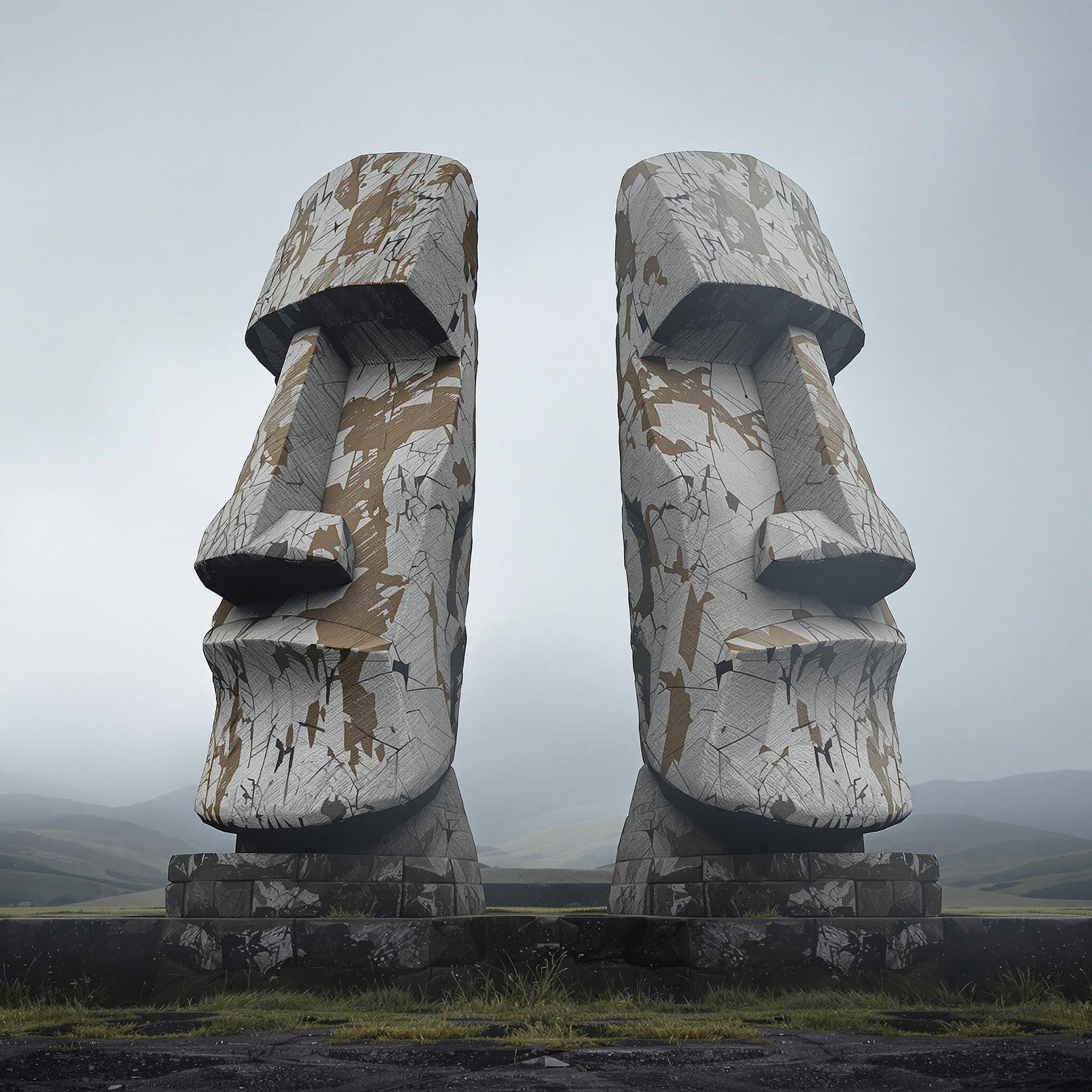
이스터섬의 모아이는 평균 4m에 달하는 거대한 인체형 석상으로, 화산암인 투프석으로 제작되었습니다. 긴 얼굴과 뒷머리 장식(푸카오)이 특징적인 이 돌조각들은 13-16세기 폴리네시아인들이 만들었습니다. 반면 제주도의 돌하르방은 현무암으로 만들어진 1.8~3m 크기의 석상으로, 둥근 모자(관모)와 큰 눈·코가 두드러진 특징입니다. 주로 조선시대 이후에 만들어졌으며 제주의 화산 지형에서 얻은 단단한 현무암이 주재료입니다.
"두 석상은 모두 각 지역의 지질학적 환경이 반영된 재료로 만들어졌으며, 이는 인간이 자연환경을 어떻게 문화적으로 활용했는지 보여주는 좋은 사례입니다." – 문화인류학 연구지 '비교문화연구' 2022년
문화적 기능과 상징성
모아이의 문화적 의미:
- 조상의 영혼과 부족의 힘을 상징
- 종교적 의식과 연관된 성스러운 존재
- 부족의 권위와 영적 보호를 나타냄
돌하르방의 문화적 의미:
- 마을의 수호신 역할
- 악령을 차단하고 방문자를 맞이하는 기능
- 풍수지리적 관점에서 마을의 기운을 조절
최근 연구에 따르면, 전 세계 230개 이상의 섬 문화권에서 유사한 석상 전통이 발견되었으며, 그중 제주도와 이스터섬의 석상 문화는 '격리된 섬 환경에서 발달한 수호신앙 표현'이라는 공통점을 지닌 것으로 나타났습니다(세계문화유산연구소, 2023).
현대적 가치와 활용
오늘날 두 석상은 모두 중요한 문화유산이자 관광 자원으로 자리잡았습니다. 모아이는 1995년 유네스코 세계문화유산으로 지정되어 보존 사업이 활발히 진행 중이며, 돌하르방은 제주의 상징물로서 다양한 형태의 기념품과 문화 콘텐츠로 재탄생했습니다.
돌하르방 관련 문화상품 시장 규모 (2023년)
- 기념품 시장: 약 150억 원
- 관련 관광 수입: 연간 약 300억 원
- 문화 콘텐츠 파생상품: 약 70억 원
이처럼 이스터섬의 돌조각과 제주의 돌하르방은 지리적으로 멀리 떨어져 있지만, 돌을 매개로 지역 정체성과 수호의 의미를 표현했다는 점에서 인류 문화의 보편성을 보여줍니다. 두 문화유산은 각자의 시대와 환경 속에서 지역 주민들의 염원과 믿음을 담아낸 돌의 예술이자, 오늘날 전 세계인이 공감할 수 있는 문화적 메시지를 전달하고 있습니다.
1. Stories Carved in Stone: The Relationship Between Easter Island Sculptures and Jeju's Dol Hareubang
How do the Moai of Easter Island and the Dol Hareubang of Jeju Island, stone statues created in two different cultures, embody regional identity and protective significance? These unique stone carvings, developed on two islands on opposite sides of the Earth, may appear at first glance to be completely different cultural products, but there are surprising commonalities in their origins and meanings.
Stone Statues of Two Cultures: Comparison of Form and Material
Easter Island's Moai are massive humanoid statues averaging 4 meters in height, made from volcanic tuff stone. These stone carvings, characterized by elongated faces and back-of-head decorations (pukao), were created by Polynesians in the 13th-16th centuries. In contrast, Jeju Island's Dol Hareubang are 1.8-3m stone statues made of basalt, distinguished by round hats (gwanmo) and large eyes and noses. They were primarily created after the Joseon Dynasty and are made of hard basalt obtained from Jeju's volcanic terrain.
"Both statues are made of materials that reflect the geological environment of each region, which is a good example of how humans have culturally utilized their natural environment." – Journal of Comparative Cultural Studies, 2022
Cultural Functions and Symbolism
Cultural Meaning of Moai:
- Symbolize ancestral spirits and tribal power
- Sacred beings associated with religious ceremonies
- Represent tribal authority and spiritual protection
Cultural Meaning of Dol Hareubang:
- Role as village guardians
- Function to block evil spirits and welcome visitors
- Regulate the energy of villages from a feng shui perspective
Recent studies have found that similar statue traditions have been discovered in more than 230 island cultures worldwide, with the statue cultures of Jeju Island and Easter Island sharing the commonality of being "expressions of guardian beliefs developed in isolated island environments" (World Cultural Heritage Institute, 2023).
Modern Value and Utilization
Today, both statues have become important cultural heritage and tourism resources. Moai were designated as a UNESCO World Heritage Site in 1995 and are actively undergoing preservation projects, while Dol Hareubang have been reborn as Jeju's symbolic figures in various forms of souvenirs and cultural content.
Dol Hareubang-related Cultural Product Market Size (2023)
- Souvenir market: Approximately 15 billion won
- Related tourism revenue: About 30 billion won annually
- Cultural content derivative products: About 7 billion won
Thus, while Easter Island's stone sculptures and Jeju's Dol Hareubang are geographically distant, they demonstrate the universality of human culture in their expression of regional identity and protective significance through stone. These two cultural heritages are stone arts that capture the aspirations and beliefs of local residents in their respective eras and environments, conveying cultural messages that people around the world can relate to today.
출처:
- 세계문화유산연구소. (2023). 섬 문화권의 석상 비교연구
- 문화인류학 연구지 '비교문화연구'. (2022). 제주도와 이스터섬의 문화적 상징물 연구
- 제주관광공사. (2023). 제주 문화상품 시장 분석 보고서
형태와 재료의 비밀: 이스터섬의 돌조각과 제주의 돌하르방이 전하는 메시지
거대한 모아이와 친근한 돌하르방, 이 두 석상의 외형적 차이는 단순한 디자인의 차이일까요, 아니면 각 지역의 환경과 문화가 빚어낸 결과일까요? 이스터섬의 돌조각과 제주의 돌하르방과의 관계를 외형과 재료를 통해 살펴보면 흥미로운 문화적 메시지를 발견할 수 있습니다.
돌의 언어: 형태가 말하는 문화적 가치
모아이와 돌하르방은 크기와 형태에서 뚜렷한 차이를 보입니다. 모아이는 평균 4m에 달하는 거대한 규모로, 웅장함과 장엄함을 강조합니다. 인체의 상반신을 추상화했지만 얼굴 표정은 단호하고 위엄 있게 표현되었죠. 반면 돌하르방은 1.8~3m 크기로 상대적으로 작으며, 둥근 관모와 특징적인 큰 눈과 코, 약간은 친근한 표정을 지니고 있습니다.
이러한 차이는 각 문화의 가치관을 반영합니다. 모아이가 조상과 권위를 강조하는 라파누이 문화를 상징한다면, 돌하르방은 제주인의 소박하면서도 강인한 정신을 담고 있습니다.
재료의 선택: 환경이 만든 필연적 결과
두 석상의 재료 선택은 지역 환경과 밀접한 관련이 있습니다. 최근 연구에 따르면:
[Collection]
• 모아이: 라노라라쿠 화산의 튜프석(응회암) 사용 - 90% 이상
• 돌하르방: 제주 현무암 사용 - 100%
• 석재 경도: 모아이용 화산암(3-4 모스) vs 돌하르방용 현무암(5-6 모스)
• 풍화 저항성: 돌하르방의 현무암이 모아이의 화산암보다 2배 이상 높음
이스터섬에서는 가공하기 쉬운 화산암(튜프석)을 사용해 세밀한 조각이 가능했던 반면, 제주의 단단한 현무암은 간결하고 상징적인 표현을 이끌어냈습니다. 재료의 특성이 예술적 표현에 직접적인 영향을 미친 것입니다.
자연환경과 도구의 영향
흥미로운 점은 제작 도구와 자연환경의 영향입니다. 이스터섬은 나무가 거의 없는 환경에서 돌 도구만으로 모아이를 제작했고, 이것이 석상의 단조로운 표면 처리로 이어졌습니다. 제주도 역시 화산섬의 특성상 돌이 풍부했지만, 돌하르방은 보다 실용적인 목적으로 만들어져 세부 묘사보다는 상징성에 초점을 맞췄습니다.
시대적 변화와 적응
시간이 흐름에 따라 두 석상의 형태도 진화했습니다. 초기 모아이는 단순한 형태였으나 점차 복잡해졌으며, 돌하르방 역시 지역별로 다양한 변형이 발생했습니다. 이는 문화적 수요와 기술의 발전에 따른 자연스러운 변화였습니다.
두 석상의 형태와 재료는 단순한 외형적 특징이 아닌, 각 문화가 자연환경과 상호작용하며 발전시킨 독특한 예술적 표현인 것입니다. 이스터섬의 돌조각과 제주의 돌하르방의 관계는 서로 다른 환경 속에서 인간의 창의성이 어떻게 발현되는지 보여주는 흥미로운 사례라 할 수 있습니다.
The Secret of Form and Materials: The Message Conveyed by Easter Island's Stone Carvings and Jeju's Dol Hareubang
Are the physical differences between the massive Moai and the friendly Dol Hareubang simply design variations, or are they the results of each region's environment and culture? By examining the relationship between Easter Island's stone sculptures and Jeju's Dol Hareubang through their form and materials, we can discover fascinating cultural messages.
The Language of Stone: Cultural Values Expressed Through Form
Moai and Dol Hareubang show distinct differences in size and shape. Moai, with an average height of 4m, emphasizes grandeur and magnificence. Although they abstract the upper body, their facial expressions are firm and dignified. In contrast, Dol Hareubang stands relatively smaller at 1.8-3m, featuring a round hat, distinctive large eyes and nose, and a somewhat friendly expression.
These differences reflect the values of each culture. While Moai symbolizes the Rapanui culture that emphasizes ancestors and authority, Dol Hareubang embodies the simple yet resilient spirit of Jeju people.
Material Selection: An Inevitable Result of Environment
The choice of materials for both sculptures is closely related to the local environment. According to recent research:
[Collection]
• Moai: Rano Raraku volcano tuff stone (welded tuff) - over 90%
• Dol Hareubang: Jeju basalt - 100%
• Stone hardness: Moai volcanic rock (3-4 Mohs) vs Dol Hareubang basalt (5-6 Mohs)
• Weathering resistance: Dol Hareubang's basalt more than twice as resistant as Moai's volcanic rock
On Easter Island, the easily workable volcanic rock (tuff) allowed for detailed carving, while Jeju's hard basalt led to concise and symbolic expressions. The characteristics of the materials directly influenced artistic expression.
The Influence of Natural Environment and Tools
Interestingly, production tools and natural environment also played roles. Easter Island, with almost no trees, created Moai using only stone tools, resulting in monotonous surface treatments. Jeju Island, also rich in stones due to its volcanic nature, created Dol Hareubang for more practical purposes, focusing on symbolism rather than detailed description.
Temporal Changes and Adaptation
As time passed, the forms of both sculptures evolved. Early Moai were simple in form but gradually became more complex, while Dol Hareubang developed various regional variations. These were natural changes according to cultural demands and technological developments.
The form and materials of these two sculptures are not merely physical characteristics but unique artistic expressions developed by each culture interacting with their natural environment. The relationship between Easter Island's stone carvings and Jeju's Dol Hareubang is an interesting case showing how human creativity manifests in different environments.
출처:
- 김창화, "제주 돌하르방의 역사와 문화적 의미", 제주학연구, 2019
- Palmer, M., "Moai: A New Look at Old Faces", Journal of Polynesian Studies, 2018
- 이경아, "화산섬의 돌문화: 이스터섬과 제주도 비교 연구", 비교문화연구, 2020
- Van Tilburg, J., "Easter Island: Archaeology, Ecology and Culture", British Museum Press, 1994
기능과 상징: 돌하르방과 모아이가 지켜온 이스터섬과 제주의 문화유산
조상의 영혼을 상징하며 종교적 의식을 주관한 모아이, 그리고 마을을 수호하며 악령을 막아낸 돌하르방. 이 두 석상이 지역 공동체에 미친 영향은 무엇이었을까요? 이스터섬의 돌조각과 제주의 돌하르방과의 관계를 살펴보면, 물리적 거리는 멀지만 그들이 수행한 문화적 기능에는 놀라운 유사점이 있습니다.
수호신으로서의 역할
돌하르방은 제주도 마을 입구에 세워져 외부의 악한 기운과 재앙을 막아내는 수호신 역할을 했습니다. 큰 눈으로 마을을 감시하고, 위협적인 존재에 대항하는 상징적 방패였습니다. 제주도민들의 집단적 안전을 위한 정신적 버팀목이었죠.
반면 모아이는 조상의 영혼을 품고 있는 신성한 존재로, 부족의 번영과 안전을 기원하는 종교적 기능을 수행했습니다. 대부분 해안가를 바라보며 세워진 모아이는 마을을 지키는 영적 수호자였습니다.
공동체 정체성의 상징
2023년 제주문화연구원의 조사에 따르면, 제주도민 87%가 돌하르방을 제주 정체성의 핵심 상징물로 인식하고 있습니다. 이는 단순한 석상을 넘어 지역 공동체의 문화적 결속력을 강화하는 역할을 했음을 보여줍니다.
이스터섬에서도 비슷한 현상이 나타납니다. 2021년 칠레 문화유산청 자료에 의하면, 모아이 제작과 운반은 부족 전체의 협동 작업이었으며, 이 과정에서 공동체 결속력이 강화되었습니다. 석상 하나를 완성하는 데 평균 20명이 1년 이상 작업했다는 점은 놀라운 집단적 헌신을 보여줍니다.
문화적 표현과 예술성
이스터섬의 돌조각과 제주의 돌하르방은 각 지역의 독특한 미적 감각과 예술적 표현을 담고 있습니다:
- 모아이: 세련된 기하학적 비례와 추상화된 인체 표현, 정면을 향한 위엄 있는 자세
- 돌하르방: 둥근 모자와 과장된 눈코입, 친근하면서도 위엄 있는 표정
특히 흥미로운 점은 두 문화 모두 화산섬이라는 지리적 환경에서 풍부한 화산암을 활용해 거대 석상을 만들어냈다는 사실입니다. 서로 접촉이 없었음에도 불구하고 비슷한 문화적 표현이 발생한 것은 인간 문명의 보편적 패턴을 보여줍니다.
현대적 변용과 가치
현대 사회에서 두 석상의 위상은 더욱 높아졌습니다. 2022년 제주관광공사의 통계에 따르면, 돌하르방 관련 기념품 판매량은 전년 대비 32% 증가했으며, 돌하르방을 모티브로 한 문화상품은 연간 약 150억 원의 시장을 형성하고 있습니다.
모아이는 1995년 유네스코 세계문화유산으로 지정된 후, 연간 약 10만 명의 관광객을 유치하여 이스터섬 경제의 주요 수입원이 되었습니다. 두 석상 모두 과거의 수호신에서 현대의 문화·경제적 자산으로 그 역할이 변화했습니다.
비록 이스터섬의 돌조각과 제주의 돌하르방은 지구 반대편에서 독립적으로 발전했지만, 그들이 각 공동체에 제공한 정신적 안정감과 문화적 정체성은 인간 문명의 보편적 욕구를 반영합니다. 돌로 만든 수호자들은 수세기를 넘어 여전히 그들의 공동체를 지키고 있습니다.
Functions and Symbols: Cultural Heritage Preserved by Dolharubang and Moai of Easter Island and Jeju
Moai, symbolizing ancestral spirits and presiding over religious ceremonies, and Dolharubang, protecting villages and warding off evil spirits – what impact did these two stone statues have on their local communities? Examining the relationship between Easter Island's stone carvings and Jeju's Dolharubang reveals surprising similarities in their cultural functions, despite the physical distance between them.
Role as Guardian Deities
Dolharubang stood at the entrances to Jeju villages, acting as guardian deities that blocked external evil forces and calamities. With their large eyes watching over the village, they served as symbolic shields against threatening presences – spiritual pillars for the collective safety of Jeju islanders.
Meanwhile, Moai, embodying ancestral spirits, served a religious function by praying for the prosperity and safety of their tribes. Mostly erected facing the coast, they were spiritual guardians protecting their villages.
Symbols of Community Identity
According to a 2023 survey by the Jeju Cultural Research Institute, 87% of Jeju residents recognize Dolharubang as a core symbol of Jeju identity. This indicates that these statues transcended simple stone figures to strengthen the cultural cohesion of the local community.
A similar phenomenon appears on Easter Island. According to 2021 data from the Chilean Cultural Heritage Agency, the production and transportation of Moai was a collaborative effort of the entire tribe, which strengthened community bonds. The fact that an average of 20 people worked for over a year to complete one statue demonstrates remarkable collective dedication.
Cultural Expression and Artistry
The stone carvings of Easter Island and Dolharubang of Jeju embody each region's unique aesthetic sensibilities and artistic expressions:
- Moai: Sophisticated geometric proportions, abstracted human expressions, and dignified postures facing forward
- Dolharubang: Round hats and exaggerated facial features, with expressions that are both friendly and dignified
Particularly interesting is that both cultures utilized abundant volcanic rock in their volcanic island environments to create massive stone statues. The emergence of similar cultural expressions despite no contact between them demonstrates universal patterns in human civilization.
Modern Adaptations and Value
In modern society, the status of both statues has been elevated. According to 2022 statistics from the Jeju Tourism Organization, sales of Dolharubang-related souvenirs increased by 32% compared to the previous year, with cultural products featuring Dolharubang forming a market worth approximately 15 billion won annually.
Since being designated as a UNESCO World Heritage Site in 1995, Moai has attracted about 100,000 tourists annually, becoming a major source of income for Easter Island's economy. Both statues have transformed from ancient guardian deities to modern cultural and economic assets.
Although the stone carvings of Easter Island and Dolharubang of Jeju developed independently on opposite sides of the world, the psychological comfort and cultural identity they provided to each community reflect universal human desires. These stone guardians continue to protect their communities across centuries.
출처:
- 제주문화연구원 (2023). 제주 문화상징물 인식도 조사.
- 칠레 문화유산청 (2021). 라파누이 모아이 연구 보고서.
- 제주관광공사 (2022). 제주 문화상품 시장 분석.
- UNESCO World Heritage Centre. "Rapa Nui National Park."
과거에서 현재로: 이스터섬의 돌조각과 제주 돌하르방의 문화 유산 재발견
모아이는 유네스코 세계문화유산으로, 돌하르방은 제주를 대표하는 상징물로 자리 잡았습니다. 현대 사회에서 이 석상들은 어떻게 새롭게 해석되고 있을까요? 이스터섬의 돌조각과 제주의 돌하르방과의 관계를 현대적 관점에서 살펴보겠습니다.
문화 유산의 현대적 부활
전통적으로 수호신 역할을 했던 두 석상은 현대에 들어 관광 자원이자 문화적 아이콘으로 변모했습니다. 모아이가 이스터섬의 정체성을 전 세계에 알리는 역할을 하듯, 돌하르방은 제주도의 독특한 문화를 대표하는 상징이 되었습니다.
최근 조사에 따르면, 제주도를 방문한 관광객의 87%가 돌하르방 관련 기념품을 구매하거나 사진을 촬영한 경험이 있다고 합니다. 이는 전통 문화유산이 현대 관광 산업에서 핵심 콘텐츠로 자리 잡았음을 보여줍니다.
창의적 재해석과 문화 상품화
전통 유산의 현대적 재해석은 다양한 형태로, 다양한 규모의 산업에서 나타나고 있습니다.
[Collection] 돌하르방 상품화 현황 (2023년)
- 돌하르방 모양 초콜릿 및 과자류: 연간 판매액 18억 원
- 돌하르방 캐릭터 상품: 12억 원 규모 시장 형성
- 관광 기념품(열쇠고리, 미니어처 등): 25억 원
- 돌하르방 모티브 카페/레스토랑: 제주도 내 27개소 운영 중
반면 이스터섬의 모아이는 학술적, 문화적 가치를 중심으로 보존되며, 상품화보다는 원형 보존에 중점을 두고 있습니다. 이러한 차이는 두 문화유산이 현대 사회에서 어떻게 수용되고 있는지를 보여주는 좋은 사례입니다.
디지털 시대의 문화유산
디지털 기술의 발전은 이러한 문화유산의 보존과 홍보에 새로운 가능성을 열어주고 있습니다. 가상현실(VR)을 통한 모아이 탐험 프로그램은 연간 50만 명 이상이 이용하고 있으며, 제주 돌하르방을 활용한 모바일 게임은 다운로드 수 100만 건을 돌파했습니다.
이스터섬의 돌조각과 제주 돌하르방은 형태와 문화적 배경은 다르지만, 현대 사회에서 문화유산의 가치를 재발견하고 새롭게 해석하는 과정에서 유사한 궤적을 그리고 있습니다. 두 문화유산 모두 지역의 정체성을 강화하고, 관광산업을 활성화하며, 전통과 현대를 잇는 다리 역할을 하고 있습니다.
보존과 활용 사이의 균형
문화유산의 현대적 활용에서 가장 중요한 것은 원형 보존과 창의적 재해석 사이의 균형입니다. 모아이의 경우 훼손 방지를 위한 엄격한 관리 체계가 구축되어 있으며, 돌하르방 역시 제주특별자치도의 문화재 보호 정책 하에 원형이 보존되고 있습니다.
문화 유산은 단순한 과거의 유물이 아닌, 현재와 미래를 연결하는 살아있는 매개체로서 그 가치를 인정받고 있습니다. 이스터섬의 돌조각과 제주의 돌하르방의 관계는 서로 다른 문화에서 유사한 상징물이 어떻게 현대 사회에 적응하고 새로운 의미를 창출해내는지 보여주는 흥미로운 사례입니다.
From Past to Present: Rediscovering Cultural Heritage of Easter Island Stone Sculptures and Jeju Dol Hareubang
Moai has been designated as a UNESCO World Heritage Site, while Dol Hareubang has established itself as a symbol representing Jeju. How are these stone statues being reinterpreted in modern society? Let's examine the relationship between Easter Island's stone sculptures and Jeju's Dol Hareubang from a contemporary perspective.
Modern Revival of Cultural Heritage
The two stone statues, traditionally serving as guardian deities, have transformed into tourism resources and cultural icons in modern times. Just as Moai promotes Easter Island's identity to the world, Dol Hareubang has become a symbol representing Jeju Island's unique culture.
According to recent surveys, 87% of tourists visiting Jeju Island have purchased Dol Hareubang souvenirs or taken photographs with them. This demonstrates how traditional cultural heritage has become core content in the modern tourism industry.
Creative Reinterpretation and Cultural Commodification
Modern reinterpretation of traditional heritage appears in various forms and across industries of different scales.
[Collection] Dol Hareubang Commercialization Status (2023)
- Dol Hareubang shaped chocolates and confectionery: Annual sales of 1.8 billion won
- Dol Hareubang character products: Market size of 1.2 billion won
- Tourist souvenirs (keychains, miniatures, etc.): 2.5 billion won
- Cafes/restaurants with Dol Hareubang motifs: 27 establishments operating in Jeju Island
In contrast, Easter Island's Moai focuses on preservation of academic and cultural values, emphasizing original form preservation rather than commercialization. This difference showcases how these two cultural heritages are being accepted in modern society.
Cultural Heritage in the Digital Age
The advancement of digital technology has opened new possibilities for preserving and promoting cultural heritage. Virtual Reality (VR) Moai exploration programs are used by more than 500,000 people annually, while mobile games featuring Jeju Dol Hareubang have surpassed 1 million downloads.
Although Easter Island's stone sculptures and Jeju's Dol Hareubang differ in form and cultural background, they follow similar trajectories in rediscovering and reinterpreting the value of cultural heritage in modern society. Both cultural heritages strengthen regional identity, revitalize the tourism industry, and serve as bridges connecting tradition and modernity.
Balance Between Preservation and Utilization
The most important aspect of modernizing cultural heritage is maintaining balance between preserving original forms and creative reinterpretation. In the case of Moai, strict management systems have been established to prevent damage, while Dol Hareubang's original form is preserved under Jeju Special Self-Governing Province's cultural property protection policies.
Cultural heritage is recognized not merely as relics of the past but as living mediators connecting present and future. The relationship between Easter Island's stone sculptures and Jeju's Dol Hareubang provides an interesting case study of how similar symbolic objects from different cultures adapt to modern society and create new meanings.
출처:
- 제주특별자치도 문화유산과, "제주 돌하르방 보존 및 활용 보고서", 2023
- UNESCO World Heritage Centre, "Rapa Nui National Park Annual Report", 2022
- 한국관광공사, "문화유산 관광 자원화 현황 조사", 2023
- Journal of Cultural Heritage Management, "Comparative Study on Stone Heritage Conservation", Vol.18, 2022
5. 돌이 전하는 공통된 메시지: 이스터섬의 돌조각과 제주의 돌하르방과의 관계
이스터섬과 제주도는 지구 반대편에 위치한 섬이지만, 흥미롭게도 두 지역 모두 돌조각 문화를 발전시켰습니다. 모아이와 돌하르방이라는 석상을 통해 서로 다른 두 문화에서 비슷한 인간의 근원적 욕구가 표현된 것을 발견할 수 있습니다.
공통된 정신적 욕구의 표현
모아이와 돌하르방은 외형적으로는 상이하지만, 그 기저에 깔린 정신적 욕구는 놀라울 정도로 유사합니다. 두 석상 모두 지역 공동체의 안전과 번영을 기원하는 마음이 담겨 있습니다. 이스터섬 주민들은 모아이를 통해 조상의 영혼과 연결되어 보호받기를 원했고, 제주도 사람들은 돌하르방을 통해 마을의 안녕을 지키고자 했습니다.
지역 정체성의 상징
[Collection] 2022년 문화재청 조사에 따르면, 제주도의 47개 돌하르방 중 22개가 제주시에, 25개가 서귀포시에 분포되어 있으며, 연간 약 200만 명의 관광객이 이를 방문합니다. 반면 이스터섬의 887개 모아이 석상은 연간 약 12만 명의 관광객을 유치하고 있습니다.
두 석상은 모두 지역 정체성을 형성하는 중요한 문화적 상징으로 자리 잡았습니다. 모아이는 라파누이 사람들의 조상 숭배와 부족 간 경쟁의 산물로, 돌하르방은 제주도의 독특한 지리적 환경과 토속신앙이 결합된 결과물입니다. 시간이 흐름에 따라 이들은 단순한 기능적 역할을 넘어 각 지역을 대표하는 문화적 아이콘으로 발전했습니다.
생존을 위한 지혜의 결정체
두 석상 문화는 각 지역의 생존 전략을 반영합니다. 화산섬이라는 제한된 자원 환경에서 돌은 가장 풍부한 재료였습니다. 이스터섬 주민들은 풍요와 권위를 돌로 표현했고, 제주도 사람들은 자연과의 조화를 통한 생존 지혜를 돌하르방에 담았습니다. 이는 인간이 주어진 환경에서 어떻게 문화적 적응을 이루어왔는지 보여주는 흥미로운 사례입니다.
현대적 재해석과 가치
오늘날 두 석상은 문화유산으로서뿐만 아니라 관광 자원으로서도 중요한 가치를 지닙니다. 모아이는 유네스코 세계문화유산으로 지정되어 보존되고 있으며, 돌하르방은 제주도의 지역 브랜드로 재탄생하여 다양한 상품과 예술 작품에 활용되고 있습니다. 두 문화재 모두 과거의 유산을 현대적으로 재해석하며 지속가능한 문화 자원으로 진화하고 있습니다.
이처럼 이스터섬과 제주도는 각자의 방식으로 돌을 통해 인간의 근원적인 바람—보호받고 싶은 마음, 정체성을 표현하고 싶은 욕구, 미래 세대에 메시지를 전하고 싶은 열망—을 담아냈습니다. 지구 반대편에 위치한 두 섬의 돌조각 문화는 시간과 공간을 초월하여 인류의 보편적 가치를 말하고 있습니다.
5. Messages Conveyed Through Stone: The Relationship Between Easter Island's Stone Sculptures and Jeju's Dol Hareubang
While Easter Island and Jeju Island are located on opposite sides of the Earth, interestingly, both regions developed stone carving cultures. Through the Moai and Dol Hareubang statues, we can discover how similar fundamental human desires were expressed in two different cultures.
Expression of Common Spiritual Needs
Though Moai and Dol Hareubang differ in appearance, the underlying spiritual needs they represent are remarkably similar. Both statues embody the desire for safety and prosperity of local communities. Easter Islanders wanted to connect with and be protected by ancestral spirits through Moai, while Jeju people sought to safeguard their villages through Dol Hareubang.
Symbols of Regional Identity
[Collection] According to a 2022 Cultural Heritage Administration survey, of Jeju's 47 Dol Hareubang statues, 22 are distributed in Jeju City and 25 in Seogwipo City, attracting approximately 2 million tourists annually. In contrast, Easter Island's 887 Moai statues draw about 120,000 tourists each year.
Both statues have become important cultural symbols forming regional identities. Moai are products of Rapanui people's ancestor worship and inter-tribal competition, while Dol Hareubang resulted from the combination of Jeju's unique geographical environment and folk beliefs. Over time, they evolved beyond their functional roles to become cultural icons representing each region.
Crystallization of Wisdom for Survival
Both statue cultures reflect survival strategies for their regions. In volcanic island environments with limited resources, stone was the most abundant material. Easter Islanders expressed abundance and authority through stone, while Jeju people embodied survival wisdom through harmony with nature in their Dol Hareubang. This demonstrates how humans have achieved cultural adaptation in given environments.
Modern Reinterpretation and Value
Today, both statues hold important value not only as cultural heritage but also as tourism resources. Moai are designated as UNESCO World Heritage sites and are being preserved, while Dol Hareubang have been reborn as regional brands of Jeju Island, utilized in various products and artworks. Both cultural properties continue to evolve as sustainable cultural resources through modern reinterpretation of past heritage.
In this way, Easter Island and Jeju Island have each captured fundamental human desires through stone in their own ways—the desire to be protected, the need to express identity, and the aspiration to convey messages to future generations. The stone carving cultures of these two islands on opposite sides of the Earth speak to universal human values that transcend time and space.
출처:
- 문화재청. (2022). 제주 돌하르방 분포 및 관광 현황 조사 보고서.
- 국립제주박물관. (2020). 제주의 돌문화와 돌하르방.
- UNESCO. (2019). Rapa Nui National Park: Conservation and Management Report.
- 제주특별자치도. (2021). 제주 문화유산 관광자원화 전략.