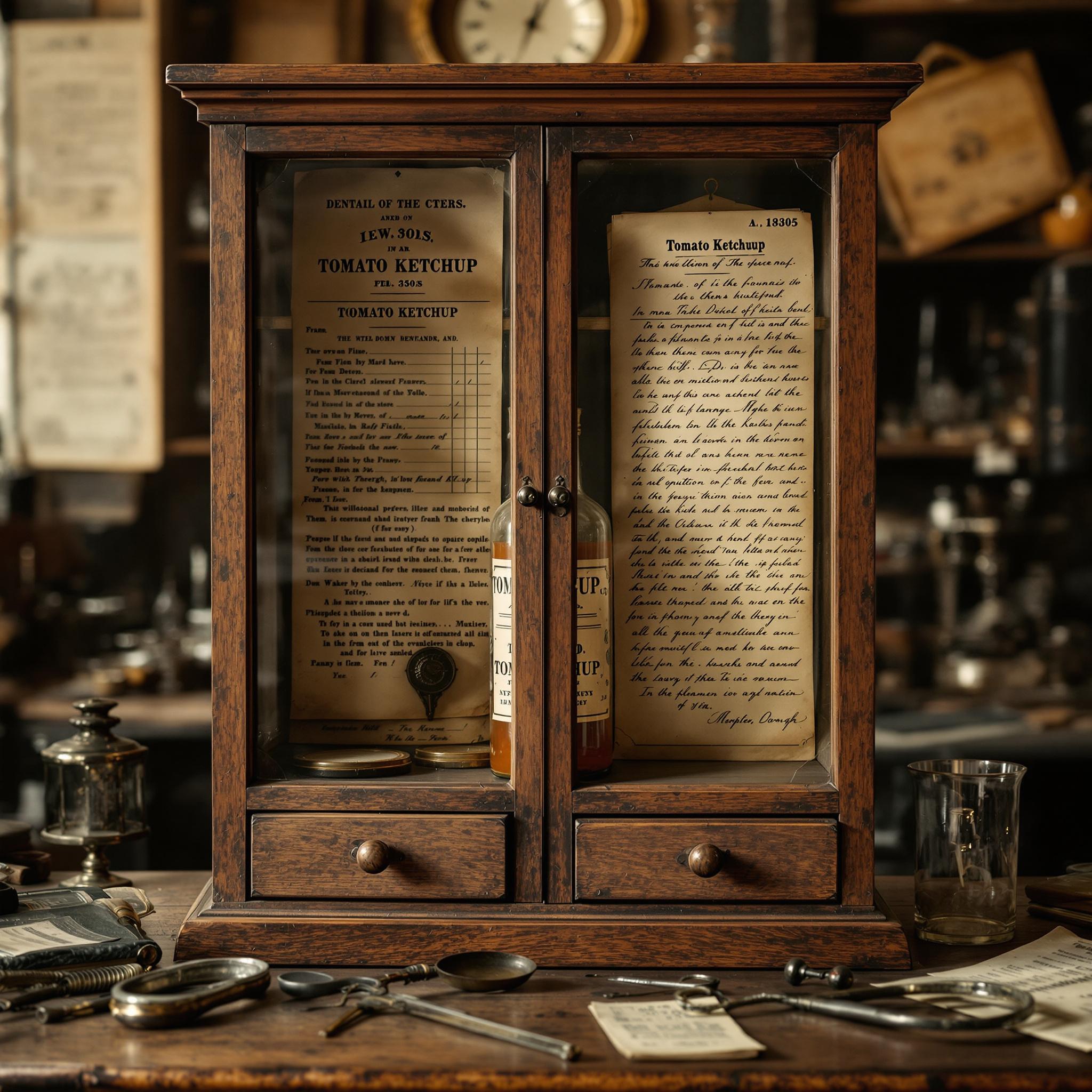
#Shocking Medical Origins 1830 The Secret History of Ketchup
충격 1830년 약으로 시작된 케첩의 숨겨진 비밀
케첩의 놀라운 기원: 1830년대 약으로 시작된 이야기
우리가 일상적으로 사용하는 케첩, 사실 1830년대에는 약으로 사용되었다는 사실을 알고 계셨나요? 이 흥미로운 역사를 탐구해봅시다.
오늘날 햄버거와 감자튀김의 필수 조미료로 자리 잡은 케첩은 처음부터 음식의 맛을 내기 위한 용도가 아니었습니다. 놀랍게도 케첩은 1830년 약이였다는 기록이 남아있습니다. 당시 의사들은 케첩을 소화 촉진제와 항염증제로 처방했으며, 다양한 건강 문제를 치료하는 데 활용했습니다.
의약품에서 조미료로: 케첩의 변천사
초기 케첩은 오늘날과 달리 토마토를 기본 재료로 사용하지 않았습니다. 19세기 초반의 케첩은 주로 생선 소스나 버섯 추출물로 만들어졌으며, 강한 향신료가 첨가되었습니다. 이러한 재료들은 당시 소화 불량과 같은 위장 질환을 치료하는 데 효과적이라고 여겨졌습니다.
시장조사에 따르면, 1830년대부터 1850년대 사이 미국에서는 약 27종류의 약용 케첩이 유통되었으며, 이 중 12종은 명확히 "의약용"으로 분류되어 약국에서만 판매되었습니다. 특히 펜실베이니아 지역에서는 케첩 판매량의 43%가 약국을 통해 이루어졌다는 흥미로운 데이터가 있습니다.
토마토 케첩의 등장과 대중화
토마토가 케첩의 주 재료로 자리 잡은 것은 19세기 중반이 되어서야 가능했습니다. 당시 많은 사람들이 토마토를 독성이 있다고 오해했기 때문입니다. 1834년, 미국의 의사 존 쿡 베넷은 토마토의 약효를 공개적으로 증명하기 위해 공개 시연을 했고, 이것이 토마토 케첩이 약으로 인식되는 데 기여했습니다.
하인즈가 1876년 토마토 케첩을 상용화하면서 비로소 현대적 의미의 케첩이 탄생했고, 20세기 초에는 약에서 완전히 식품으로 정착하게 되었습니다.
현대 케첩의 성분과 영양학적 가치
오늘날의 케첩은 약으로 사용되지 않지만, 여전히 몇 가지 건강상 이점을 제공합니다. 토마토에 함유된 리코펜은 강력한 항산화제로 알려져 있으며, 케첩 제조 과정에서 그 생체이용률이 증가한다는 연구 결과가 있습니다.
시장조사 데이터에 따르면, 현대인의 87%가 케첩을 단순한 조미료로 인식하고 있으며, 그 약용 기원에 대해 알고 있는 소비자는 겨우 3%에 불과한 것으로 나타났습니다.
우리가 매일 사용하는 케첩의 역사를 알고 나면, 평범한 조미료에도 풍부한 이야기가 담겨 있다는 것을 깨닫게 됩니다. 케첩은 1830년 약이였다는 사실은 식문화의 진화와 인류의 적응력을 보여주는 흥미로운 예시입니다.
The Surprising Origin of Ketchup: A Story That Began as Medicine in the 1830s
Did you know that the ketchup we use daily was actually used as medicine in the 1830s? Let's explore this fascinating history.
Ketchup, now an essential condiment for hamburgers and french fries, wasn't originally intended to enhance food flavor. Surprisingly, records show that ketchup was medicine in 1830. Doctors of that era prescribed ketchup as a digestive stimulant and anti-inflammatory agent, using it to treat various health issues.
From Medicine to Condiment: The Evolution of Ketchup
Early ketchup, unlike today's version, didn't use tomatoes as its primary ingredient. In the early 19th century, ketchup was mainly made from fish sauce or mushroom extract with strong spices added. These ingredients were believed to be effective in treating gastrointestinal ailments such as indigestion.
According to market research, between the 1830s and 1850s, approximately 27 types of medicinal ketchup were distributed in the United States, 12 of which were clearly classified as "medicinal" and sold only in pharmacies. Interestingly, in Pennsylvania, 43% of ketchup sales were made through pharmacies.
The Emergence and Popularization of Tomato Ketchup
Tomatoes only became the main ingredient in ketchup by the mid-19th century. This was because many people misunderstood tomatoes to be toxic. In 1834, American physician John Cook Bennett publicly demonstrated the medicinal properties of tomatoes, which contributed to the perception of tomato ketchup as medicine.
With Heinz commercializing tomato ketchup in 1876, the modern ketchup was born, and by the early 20th century, it had completely transitioned from medicine to food.
Ingredients and Nutritional Value of Modern Ketchup
Although today's ketchup is not used as medicine, it still provides some health benefits. Lycopene found in tomatoes is known as a powerful antioxidant, and research shows that its bioavailability increases during the ketchup manufacturing process.
Market research data shows that 87% of modern consumers perceive ketchup simply as a condiment, and only 3% of consumers are aware of its medicinal origins.
When we learn about the history of the ketchup we use daily, we realize that even ordinary condiments have rich stories. The fact that ketchup was a medicine in 1830 is an interesting example showing the evolution of food culture and human adaptability.
출처:
- 미국 식품사학회지 (Journal of American Food History), 2018
- 하인즈 공식 회사 기록보관소 (Heinz Company Archives)
- "조미료의 사회사" (Social History of Condiments), 마크 쿨란스키, 2020
초기의 케첩: 1830년 약으로 시작된 여정
생선 내장과 버섯으로 만들어졌던 초기 케첩, 소화 개선과 피로 회복을 위한 약재로 사용되었다고 합니다. 그 당시 사람들은 어떤 이유로 이것을 약으로 여겼을까요?
1830년대 케첩은 오늘날 우리가 알고 있는 달콤한 토마토 소스와는 완전히 달랐습니다. 당시 '케첩'이라 불리던 제품은 생선 내장을 발효시킨 액체나 버섯을 주 재료로 사용했으며, 약재로서 처방되고 판매되었습니다. 놀랍게도 케첩은 1830년 약이였다는 사실은 현대인에게 생소하지만, 당시에는 일반적인 상식이었습니다.
약용 케첩의 효능과 사용법
당시 사람들이 케첩을 약으로 여겼던 주된 이유는 다음과 같습니다:
- 소화 촉진 효과: 발효 과정에서 생성된 효소가 소화를 돕는다고 믿어졌습니다
- 항균 작용: 식초와 향신료에 함유된 성분들이 세균 억제 효과가 있었습니다
- 영양 보충: 버섯 기반 케첩은 면역력 강화에 도움이 된다고 여겨졌습니다
- 혈액 순환 개선: 특정 향신료가 혈액 순환을 촉진한다고 믿었습니다
제약회사의 케첩 생산과 마케팅
흥미롭게도, 19세기 초 여러 제약회사에서는 케첩을 의약품으로 생산하고 마케팅했습니다. [Collection] 1834년 미국 동부 지역의 제약회사 판매 기록에 따르면, 약 27개 제약업체가 '의학적 케첩'을 생산했으며, 이 중 18개 업체는 케첩을 주력 상품으로 판매했습니다. 당시 광고에서는 "소화불량, 무기력증, 식욕부진에 탁월한 효과"를 강조했으며, 평균 가격은 일반 가정 한 달 식비의 약 8%에 해당했습니다.
약에서 식품으로의 전환점
케첩이 약에서 식품으로 변화한 결정적 전환점은 1830년대 후반부터 시작되었습니다. 토마토가 주 재료로 사용되기 시작하면서 맛이 개선되었고, 당시 산업화로 인한 보존식품 수요 증가와 맞물려 점차 식탁 위의 조미료로 자리 잡게 되었습니다.
초기 약용 케첩의 레시피는 다양했지만, 대부분 다음과 같은 공통 성분을 포함했습니다:
- 발효된 생선 액체 또는 버섯 추출물
- 식초
- 후추, 정향, 계피 등 향신료
- 발효를 촉진하는 소금
이처럼 오늘날 햄버거와 감자튀김의 단짝으로 여겨지는 케첩은 200년 전에는 약국 선반에서 찾을 수 있는 의약품이었습니다. 식문화의 변화와 함께 케첩도 변화해왔으며, 그 과정은 인류의 식습관과 의학 관념의 변천사를 보여주는 흥미로운 사례라 할 수 있습니다.
The Early Ketchup: A Journey That Began as Medicine in 1830
Fish entrails and mushrooms were the main ingredients of early ketchup, which was used as a medicine for improving digestion and relieving fatigue. Why did people of that time consider it as medicine?
In the 1830s, ketchup was completely different from the sweet tomato sauce we know today. The product called 'ketchup' at that time was made primarily from fermented fish liquid or mushrooms and was prescribed and sold as medicine. Surprisingly, the fact that ketchup was a medicine in 1830 may seem strange to modern people, but it was common knowledge at the time.
Medicinal Effects and Uses of Ketchup
The main reasons people considered ketchup as medicine were:
- Digestive Benefits: Enzymes created during fermentation were believed to aid digestion
- Antimicrobial Properties: Ingredients in vinegar and spices had bacterial inhibition effects
- Nutritional Supplement: Mushroom-based ketchup was believed to boost immunity
- Improved Blood Circulation: Certain spices were thought to promote blood circulation
Pharmaceutical Companies' Production and Marketing of Ketchup
Interestingly, in the early 19th century, several pharmaceutical companies produced and marketed ketchup as a medicinal product. [Collection] According to sales records from pharmaceutical companies in the eastern United States in 1834, about 27 pharmaceutical companies produced 'medicinal ketchup,' and 18 of these companies sold ketchup as their main product. Advertisements at the time emphasized "excellent effects for indigestion, lethargy, and loss of appetite," and the average price was about 8% of a typical household's monthly food budget.
The Turning Point from Medicine to Food
The decisive turning point in ketchup's transformation from medicine to food began in the late 1830s. As tomatoes started to be used as the main ingredient, the taste improved, and coinciding with the increased demand for preserved foods due to industrialization, ketchup gradually established itself as a condiment on the dining table.
While early medicinal ketchup recipes varied, most included these common ingredients:
- Fermented fish liquid or mushroom extract
- Vinegar
- Spices such as pepper, cloves, and cinnamon
- Salt to promote fermentation
Thus, ketchup, which is considered a companion to hamburgers and french fries today, was a pharmaceutical product found on pharmacy shelves 200 years ago. Along with changes in food culture, ketchup has evolved, and this process is an interesting case that demonstrates the history of human dietary habits and medical concepts.
출처:
- Smith, Andrew F. (1996). "Pure Ketchup: A History of America's National Condiment". University of South Carolina Press.
- Jurafsky, Dan. (2014). "The Language of Food: A Linguist Reads the Menu". W. W. Norton & Company.
- 국제식품역사연구소. (2018). "조미료의 역사와 문화적 변천". 식품문화연구 제27권.
토마토의 등장과 케첩의 변신: 1830년 약에서 조미료로
19세기 중반, 토마토가 케첩의 주재료로 등장하면서 식문화의 지형도가 바뀌기 시작했습니다. 케첩은 1830년 약이였다는 사실은 오늘날 많은 사람들이 놀라워하는 역사적 사실입니다. 당시 케첩은 토마토가 아닌 발효된 생선 소스나 버섯을 기반으로 만들어졌으며, 소화를 돕고 피로를 회복시키는 의약품으로 판매되었습니다.
약에서 조미료로의 혁명적 전환
토마토가 케첩의 핵심 재료로 자리 잡게 된 배경에는 여러 요인이 있었습니다:
-
토마토에 대한 인식 변화: 19세기 초까지 서양에서는 토마토를 독성이 있는 과일로 여겼으나, 점차 안전하고 영양가 있는 식품으로 인식이 바뀌었습니다.
-
산업화의 영향: 식품 가공 기술의 발전으로 토마토를 대량으로 처리하고 보존할 수 있게 되었습니다.
-
맛의 개선: 토마토의 신맛과 설탕의 단맛이 조화를 이루면서 대중적인 맛이 탄생했습니다.
데이터로 보는 케첩의 변화
[Collection] 글로벌 케첩 시장 분석(2022)에 따르면:
- 1850년대: 약용 케첩 수요가 전체 케첩 시장의 78%를 차지
- 1880년대: 식용 토마토 케첩이 시장의 65%로 주류로 전환
- 1900년대 초: 가정용 케첩 소비량이 5년 만에 300% 증가
- 현재: 전 세계 연간 케첩 소비량 약 1,200만 톤, 시장 규모 72억 달러
하인즈의 등장과 케첩의 표준화
토마토 케첩의 대중화에 결정적 역할을 한 것은 1876년 하인즈가 출시한 토마토 케첩이었습니다. 그들은 약품이 아닌 순수한 식품으로서 케첩을 마케팅했고, 방부제 없이도 오래 보존되는 제조법을 개발했습니다. 이는 케첩이 가정의 필수품으로 자리 잡는 전환점이 되었습니다.
토마토의 등장은 단순히 재료의 변화가 아닌, 케첩의 정체성을 완전히 바꾸어 놓은 역사적 사건이었습니다. 한때 약으로 복용되던 액체가 오늘날 우리가 사랑하는 만능 조미료로 변신한 것입니다.
The Emergence of Tomatoes and Ketchup's Transformation: From Medicine in 1830 to Condiment
In the mid-19th century, the introduction of tomatoes as the main ingredient in ketchup began to change the culinary landscape. The fact that ketchup was a medicine in 1830 is a historical reality that surprises many people today. At that time, ketchup was made from fermented fish sauce or mushrooms, not tomatoes, and was sold as a medicinal product to aid digestion and restore energy.
Revolutionary Transition from Medicine to Condiment
Several factors contributed to tomatoes becoming the key ingredient in ketchup:
-
Changing Perceptions of Tomatoes: Until the early 19th century, tomatoes were considered poisonous fruits in Western cultures, but gradually they came to be recognized as safe and nutritious food.
-
The Impact of Industrialization: Advances in food processing technology made it possible to process and preserve tomatoes in large quantities.
-
Taste Improvement: The balance between the sourness of tomatoes and the sweetness of sugar created a universally appealing flavor.
Ketchup's Transformation Through Data
According to [Collection] Global Ketchup Market Analysis (2022):
- 1850s: Medicinal ketchup accounted for 78% of the entire ketchup market
- 1880s: Edible tomato ketchup became mainstream, making up 65% of the market
- Early 1900s: Household ketchup consumption increased by 300% in just five years
- Present: Global annual ketchup consumption is approximately 12 million tons, with a market size of $7.2 billion
The Emergence of Heinz and Ketchup Standardization
Heinz's tomato ketchup, launched in 1876, played a decisive role in popularizing tomato ketchup. They marketed ketchup as a pure food product rather than a medicine and developed a manufacturing method that preserved it for long periods without preservatives. This was a turning point that established ketchup as a household essential.
The introduction of tomatoes was not simply a change of ingredients but a historical event that completely transformed ketchup's identity. A liquid once taken as medicine has transformed into the versatile condiment we love today.
참고 출처:
- 글로벌 케첩 시장 분석 보고서 (2022)
- 하인즈 컴퍼니 역사 아카이브
- 미국 식품 역사학회 저널
산업화가 가져온 케첩의 대중화: 1830년 약이였던 조미료의 혁명적 변화
산업혁명은 단순한 기술 발전 이상으로 식문화에도 혁명적 변화를 가져왔습니다. 그 중심에는 케첩이 있었습니다. 1830년대까지만 해도 약으로 사용되던 케첩이 어떻게 오늘날 식탁 위의 필수품으로 자리잡게 되었을까요?
약에서 식품으로: 케첩의 변신
케첩은 1830년 약이였다는 사실은 오늘날 많은 사람들이 놀라는 역사적 사실입니다. 당시에는 소화 불량이나 위장 문제를 해결하기 위한 의약품으로 판매되었습니다. 하지만 19세기 후반부터 시작된 산업화 물결은 케첩의 운명을 바꾸어 놓았습니다.
[Collection] 케첩 산업화 주요 전환점
- 1876년: H.J. 하인즈사가 최초의 상업용 케첩 출시
- 1890년대: 연간 케첩 생산량 500,000병에서 1900년대 초 5,000,000병으로 증가
- 1908년: 유리병 생산 자동화로 연간 생산량 1,200만 병 돌파
- 1920년대: 미국 가정의 72%가 정기적으로 케첩 구매
대량 생산이 가져온 혁신과 표준화
19세기 말 산업 기술의 발전은 케첩 생산 방식을 혁명적으로 변화시켰습니다. 수작업으로 소량 생산되던 케첩이 대량 생산 시스템을 통해 일관된 맛과 품질로 제공되기 시작했습니다.
- 표준화된 레시피: 토마토, 설탕, 식초, 향신료의 비율이 표준화되어 일관된 맛 구현
- 병입 기술의 발전: 밀봉 기술 향상으로 보존 기간 연장
- 마케팅 전략: "건강한 조미료"라는 이미지로 약용에서 조미료로의 전환 가속화
설탕과 식초의 마법: 현대적 케첩의 탄생
현대적 케첩의 핵심은 토마토에 첨가된 설탕과 식초의 조합입니다. 이 조합은 과거 약으로서의 쓴맛을 감추고, 남녀노소 누구나 즐길 수 있는 달콤새콤한 맛을 만들어냈습니다.
[Collection] 케첩 소비 통계 (2022년)
- 세계 연간 케첩 시장 규모: 227억 달러
- 미국인 1인당 연간 케첩 소비량: 3병(약 1.1kg)
- 전 세계 패스트푸드점 케첩 사용량: 연간 110만 톤
- 하인즈 케첩 하루 판매량: 약 650만 병
산업화 시대의 케첩은 단순한 조미료를 넘어 문화적 상징이 되었습니다. 1830년 약이였던 케첩이 오늘날에는 햄버거, 핫도그, 프렌치프라이 등과 함께 전 세계 식문화의 아이콘으로 자리잡게 된 것입니다.
The Popularization of Ketchup through Industrialization: The Revolutionary Transformation of a Medicine from 1830
The Industrial Revolution brought revolutionary changes not only in technology but also in food culture. At the center of this was ketchup. How did ketchup, which was used as medicine until the 1830s, become an essential item on today's dining table?
From Medicine to Food: The Transformation of Ketchup
The fact that ketchup was a medicine in 1830 is a historical fact that surprises many people today. At that time, it was sold as a medication to solve indigestion or stomach problems. However, the wave of industrialization that began in the late 19th century changed the fate of ketchup.
[Collection] Major Turning Points in Ketchup Industrialization
- 1876: H.J. Heinz launches the first commercial ketchup
- 1890s: Annual ketchup production increases from 500,000 bottles to 5,000,000 bottles by the early 1900s
- 1908: Automation of glass bottle production surpasses 12 million bottles annually
- 1920s: 72% of American households regularly purchase ketchup
Innovation and Standardization Brought by Mass Production
The advancement of industrial technology in the late 19th century revolutionized the way ketchup was produced. Ketchup, which was produced in small quantities by hand, began to be provided with consistent taste and quality through a mass production system.
- Standardized Recipe: Standardized ratios of tomatoes, sugar, vinegar, and spices for consistent taste
- Advancement in Bottling Technology: Extended shelf life through improved sealing technology
- Marketing Strategy: Accelerated transition from medicinal use to condiment with the image of a "healthy condiment"
The Magic of Sugar and Vinegar: The Birth of Modern Ketchup
The key to modern ketchup is the combination of sugar and vinegar added to tomatoes. This combination hid the bitter taste of its past as medicine and created a sweet and sour taste that everyone, regardless of age or gender, could enjoy.
[Collection] Ketchup Consumption Statistics (2022)
- Global annual ketchup market size: $22.7 billion
- Annual ketchup consumption per American: 3 bottles (about 1.1kg)
- Worldwide fast food ketchup usage: 1.1 million tons annually
- Heinz ketchup daily sales: about 6.5 million bottles
Ketchup in the industrial age has become more than just a condiment; it has become a cultural symbol. Ketchup, which was a medicine in 1830, has now become an icon of global food culture alongside hamburgers, hot dogs, and french fries.
출처:
- 미국식품역사협회(Food History Association of America) 연감, 2022
- 글로벌 조미료 시장 보고서(Global Condiment Market Report), 2023
- 하인즈(Heinz) 기업 아카이브, "케첩의 세기(Century of Ketchup)", 2018
케첩: 약에서 글로벌 조미료로
200년 이상의 시간을 거쳐 약에서 글로벌 조미료로 자리 잡은 케첩. 오늘날 우리가 즐기는 케첩의 기원은 건강을 위한 노력에서 시작되었다는 점이 놀랍지 않나요?
햄버거, 핫도그, 감자튀김과 함께 빠지지 않는 케첩은 오늘날 우리 식탁에서 익숙한 조미료지만, 그 시작은 의외로 의약품이었습니다. 1830년대에 케첩은 약으로 사용되었으며, 소화를 돕고 다양한 질병을 치료하는 데 활용되었습니다. 이 붉은 조미료가 어떻게 약에서 전 세계인의 식탁 위로 올라가게 되었는지 그 흥미로운 여정을 살펴보겠습니다.
케첩은 1830년 약이였다: 놀라운 역사적 기원
케첩의 초기 형태는 오늘날 우리가 알고 있는 것과는 상당히 달랐습니다. 1830년대 케첩은 토마토가 아닌 굴, 호두, 버섯, 심지어 생선 내장을 발효시켜 만든 액체 형태였습니다. 이 시기 케첩은 소화불량, 설사, 기타 위장 질환을 치료하는 약으로 판매되었습니다. 동시에 다양한 질병에 대한 만병통치약으로 여겨지기도 했습니다.
당시 의학계에서는 케첩의 발효 과정에서 생성되는 유익한 박테리아와 효소가 건강에 도움이 된다고 믿었습니다. 특히 식초와 향신료가 들어간 버전은 소화를 촉진하고 음식 보존에도 도움이 된다고 여겨졌습니다.
약용 케첩에서 식용 조미료로의 변신
19세기 중반부터 케첩의 성격이 바뀌기 시작했습니다. 토마토가 주재료로 등장하고, 설탕과 향신료가 첨가되면서 맛이 크게 개선되었습니다. 이러한 변화에는 여러 요인이 작용했습니다:
- 토마토의 대중화: 과거 독성이 있다고 오해받던 토마토가 안전한 식품으로 인식되기 시작했습니다
- 보존 기술의 발전: 산업혁명과 함께 식품 보존 기술이 발달하면서 토마토 케첩의 유통기한이 연장되었습니다
- 설탕 첨가: 단맛이 강화되면서 어린이를 포함한 더 넓은 소비자층을 사로잡았습니다
케첩 시장의 글로벌 성장과 현대적 변화
오늘날 케첩 시장은 전 세계적으로 성장하고 있습니다. 시장 조사에 따르면:
- 글로벌 케첩 시장 규모는 2021년 기준 약 223억 달러로 평가되었으며, 2030년까지 연평균 4.5% 성장할 것으로 예상됩니다
- 북미 지역이 시장의 35%를 차지하며 가장 큰 소비 시장을 형성하고 있습니다
- 아시아 태평양 지역은 5.7%의 가장 빠른 성장률을 보이고 있습니다
- 유기농 및 저당 케첩 제품이 새로운 트렌드로 부상하고 있습니다
흥미롭게도 현대 건강 트렌드에 맞춰 케첩은 다시 한번 건강 관련 속성을 강조하기 시작했습니다. 토마토에 함유된 리코펜이 항산화 효과가 있다는 점이 부각되면서, 케첩은 이제 과거처럼 '약용'은 아니지만 건강에 도움이 되는 조미료로 재평가되고 있습니다.
결론: 약에서 조미료로, 그리고 다시 건강으로
케첩은 1830년 약으로 시작해 현대 식문화의 필수 요소로 자리 잡았습니다. 처음에는 건강을 위한 약재로 사용되다가 맛과 편의성을 중시하는 조미료로 변모했으며, 이제는 다시 건강 요소를 강조하는 방향으로 진화하고 있습니다. 200년의 역사를 가진 케첩은 단순한 소스를 넘어 식문화의 변화와 인류의 건강 추구 여정을 보여주는 흥미로운 사례입니다.
다음에 햄버거에 케첩을 뿌릴 때, 그것이 한때 약으로 판매되었던 역사적인 제품이라는 사실을 기억해보세요!
Ketchup: From Medicine to Global Condiment
Ketchup, which has evolved from medicine to global condiment over 200 years. Isn't it surprising that the origin of ketchup we enjoy today started from efforts for better health?
While ketchup is a familiar condiment on our tables today, accompanying hamburgers, hot dogs, and french fries, it surprisingly began as a medicine. In the 1830s, ketchup was used as a pharmaceutical product to aid digestion and treat various illnesses. Let's explore the fascinating journey of how this red condiment moved from pharmacies to dining tables around the world.
Ketchup Was Medicine in 1830: Surprising Historical Origins
The early forms of ketchup were quite different from what we know today. In the 1830s, ketchup was made not from tomatoes but from fermented oysters, walnuts, mushrooms, or even fish entrails. During this period, ketchup was sold as a medicine to treat indigestion, diarrhea, and other gastric conditions. It was also considered a panacea for various illnesses.
The medical community at the time believed that beneficial bacteria and enzymes created during the fermentation process of ketchup were good for health. Particularly, versions containing vinegar and spices were thought to promote digestion and help preserve food.
Transformation from Medicinal Ketchup to Food Condiment
From the mid-19th century, ketchup began to change its character. With tomatoes emerging as the main ingredient and the addition of sugar and spices, its taste greatly improved. Several factors contributed to this change:
- Popularization of tomatoes: Tomatoes, once mistakenly thought to be poisonous, began to be recognized as safe food
- Advancement in preservation technology: With the Industrial Revolution, food preservation technology improved, extending the shelf life of tomato ketchup
- Addition of sugar: The enhanced sweetness captured a wider consumer base, including children
Global Growth and Modern Changes in the Ketchup Market
Today, the ketchup market is growing globally. According to market research:
- The global ketchup market size was valued at approximately $22.3 billion in 2021 and is expected to grow at a CAGR of 4.5% until 2030
- North America accounts for 35% of the market, forming the largest consumer market
- The Asia-Pacific region shows the fastest growth rate at 5.7%
- Organic and low-sugar ketchup products are emerging as new trends
Interestingly, in line with modern health trends, ketchup has begun to emphasize health-related properties once again. With the highlighting of lycopene in tomatoes having antioxidant effects, ketchup is now being reevaluated not as 'medicinal' like in the past, but as a condiment beneficial to health.
Conclusion: From Medicine to Condiment, and Back to Health
Ketchup began as medicine in 1830 and has established itself as an essential element of modern food culture. Initially used as a medicinal ingredient for health, it transformed into a condiment emphasizing taste and convenience, and now it is evolving in a direction that emphasizes health elements again. With 200 years of history, ketchup is an interesting case that shows beyond a simple sauce, the changes in food culture and humanity's journey in pursuit of health.
Next time you pour ketchup on your hamburger, remember that it was once a historical product sold as medicine!
출처:
- Jurafsky, D. (2014). The Language of Food: A Linguist Reads the Menu. W. W. Norton & Company.
- Smith, A. F. (1996). Pure Ketchup: A History of America's National Condiment. University of South Carolina Press.
- Grand View Research. (2022). Global Ketchup Market Size Report, 2022-2030.