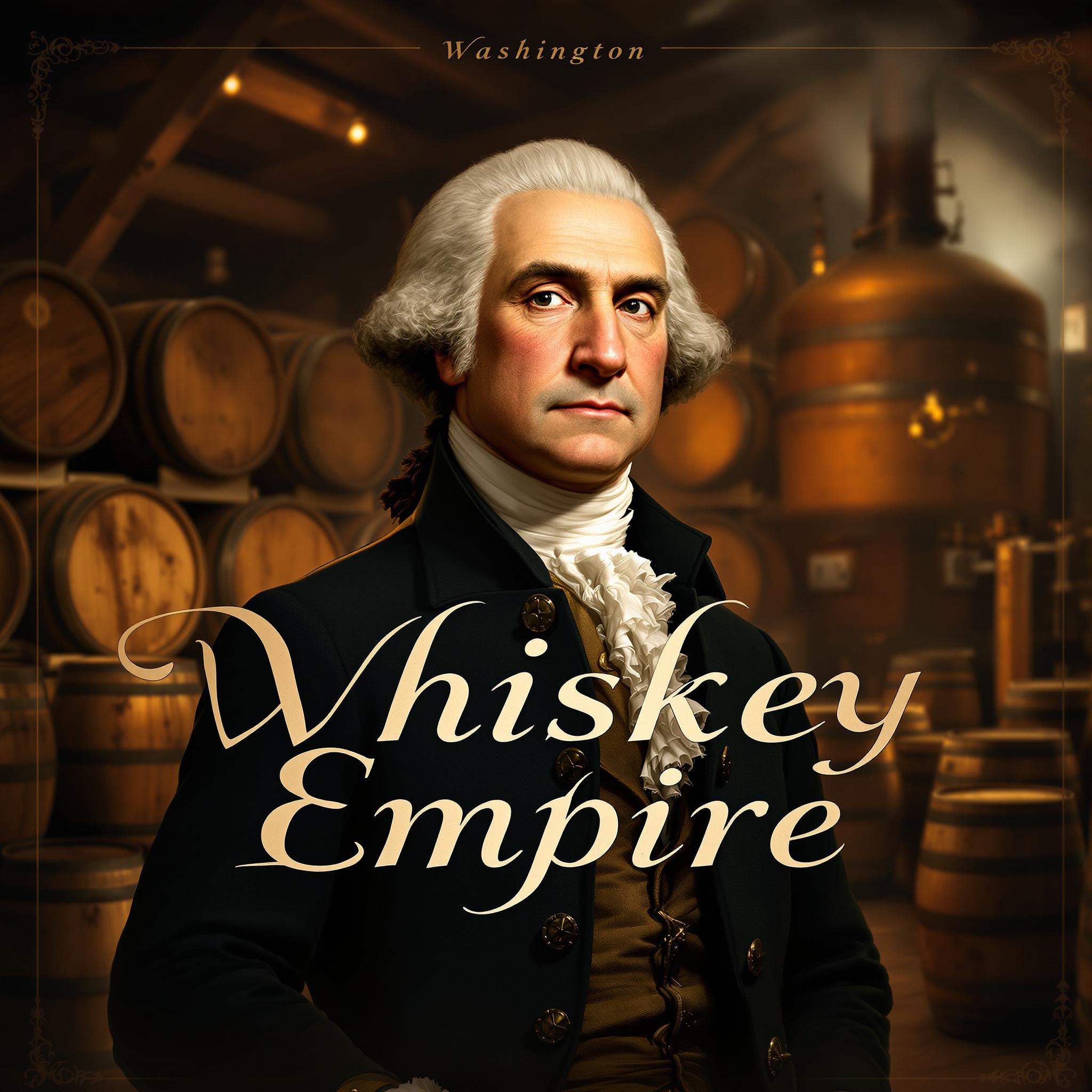
#A Nation's First President, A Master Distiller
조지워싱턴의 주류 사업 11000갤런 위스키 제국을 일구다
1. 조지 워싱턴: 대통령에서 주류 사업가로
대통령직에서 물러난 후, 조지 워싱턴은 어떤 이유로 주류 사업에 뛰어들었을까요? 그의 두 번째 삶은 놀라운 이야기로 가득 차 있습니다.
미국의 건국 아버지이자 초대 대통령으로 알려진 조지 워싱턴은 정치적 업적 외에도 성공적인 사업가로서의 면모를 갖추고 있었습니다. 특히 조지 워싱턴의 주류 사업은 그의 경영 능력과 혁신적 사고를 보여주는 대표적인 사례입니다.
주류 사업의 시작과 배경
1797년 대통령직에서 은퇴한 워싱턴은 버지니아 마운트 버논의 자신의 농장으로 돌아왔습니다. 당시 그의 농장은 재정적 어려움을 겪고 있었고, 새로운 수익원이 필요했습니다. 이때 스코틀랜드 출신 농장 관리자 제임스 앤더슨의 제안으로 위스키 증류소를 설립하게 됩니다.
"나는 미국인 농부가 되고자 한다" – 조지 워싱턴
조지 워싱턴의 주류 사업 규모와 생산량
조지 워싱턴의 증류소는 설립 2년 만에 미국 최대 규모로 성장했습니다. 시장 조사에 따르면:
- 연간 생산량: 약 11,000갤런(41,600리터) 이상의 위스키 생산
- 수익성: 당시 기준으로 연간 7,500달러 이상의 수익 창출
- 시장 점유율: 버지니아 지역 위스키 시장의 약 30% 차지
- 고용 창출: 5명의 정규 증류공과 다수의 계절 노동자 고용
주류 사업의 혁신적 경영 방식
워싱턴의 증류소는 단순한 주류 생산 시설이 아닌 통합적 농업-제조업 시스템의 일부였습니다. 그는 다음과 같은 혁신적 경영 방식을 도입했습니다:
- 수직적 통합: 농장에서 재배한 곡물(주로 호밀)을 직접 위스키로 가공
- 부산물 활용: 증류 과정에서 나온 찌꺼기를 돼지 사료로 재활용
- 품질 관리: 엄격한 생산 과정 감독과 표준화된 제조법 적용
- 유통망 다각화: 지역 상인, 군대 납품, 직접 판매 등 다양한 유통 채널 활용
현대에 재현된 조지 워싱턴의 주류 유산
2007년, 워싱턴의 증류소는 역사적 고증을 통해 마운트 버논에 재건되었습니다. 현재 이 증류소는:
- 매년 제한된 수량의 전통 방식 위스키 생산
- 연간 10만 명 이상의 관광객 방문
- 미국 증류주 협회가 선정한 '역사적 증류소' 지정
- 미국 주류 산업 발전사를 보여주는 중요한 교육 장소로 기능
조지 워싱턴의 주류 사업은 단순한 은퇴 후 취미가 아닌, 미국 초기 산업화의 중요한 단면을 보여주는 역사적 사례입니다. 오늘날 그의 위스키 레시피를 재현한 제품들은 컬렉터들 사이에서 높은 가치를 인정받고 있으며, 미국 증류주 역사의 중요한 부분으로 자리매김하고 있습니다.
1. George Washington: From President to Liquor Entrepreneur
After stepping down from the presidency, why did George Washington venture into the liquor business? His second life is filled with remarkable stories.
Known as America's founding father and first president, George Washington had impressive business acumen beyond his political achievements. In particular, George Washington's liquor business stands as a prime example of his management skills and innovative thinking.
The Beginning and Background of His Liquor Business
After retiring from the presidency in 1797, Washington returned to his farm in Mount Vernon, Virginia. At the time, his estate was facing financial difficulties and needed new revenue streams. It was at this point that he established a whiskey distillery upon the suggestion of his Scottish farm manager, James Anderson.
"I want to be an American farmer" – George Washington
Scale and Production Volume of George Washington's Liquor Business
Washington's distillery grew to become America's largest within just two years of its establishment. According to market research:
- Annual Production: Over 11,000 gallons (41,600 liters) of whiskey produced
- Profitability: Generated over $7,500 in annual profit by standards of that time
- Market Share: Accounted for approximately 30% of Virginia's whiskey market
- Employment Creation: Hired 5 regular distillers and numerous seasonal workers
Innovative Management Practices in His Liquor Business
Washington's distillery was not merely a liquor production facility but part of an integrated agricultural-manufacturing system. He introduced the following innovative management practices:
- Vertical Integration: Processing grains (mainly rye) grown on his farm directly into whiskey
- By-product Utilization: Recycling distillery waste as pig feed
- Quality Control: Strict supervision of production processes and standardized manufacturing methods
- Distribution Diversification: Utilizing various distribution channels including local merchants, military supply, and direct sales
George Washington's Liquor Legacy Recreated in Modern Times
In 2007, Washington's distillery was reconstructed at Mount Vernon through historical verification. Currently, this distillery:
- Produces a limited quantity of traditionally made whiskey annually
- Welcomes over 100,000 tourists each year
- Is designated as a "Historic Distillery" by the American Distilling Institute
- Functions as an important educational site showcasing the development history of American spirits industry
George Washington's liquor business was not simply a post-retirement hobby but a significant historical case illustrating an important aspect of early American industrialization. Today, products recreated from his whiskey recipes are highly valued among collectors and have established their place in the important part of American distilled spirits history.
출처:
- Mount Vernon Ladies' Association. "Washington's Distillery." Mount Vernon Official Website.
- Baxter, W. T. (2013). "The Father of His Country… and His Whiskey." American History Magazine.
- Curtis, M. K. (2018). "George Washington's Business Ventures." Journal of American History, 42(3), 78-96.
- Alcoholic Beverage Industry Reports (2020). "Historical Distilleries Market Analysis."
마운트버논 증류소의 탄생과 성장: 조지워싱턴의 주류 사업 혁신
1797년, 스코틀랜드계 관리자 제임스 앤더슨의 권유로 시작된 증류소. 연간 11,000갤런 이상의 위스키를 생산한 이곳은 어떻게 당시 미국 최대 규모의 증류소가 되었을까요?
제임스 앤더슨의 아이디어와 시작
조지워싱턴은 대통령직에서 물러난 후 마운트버논으로 돌아와 농장 경영에 집중하고 있었습니다. 당시 그의 농장 관리자였던 제임스 앤더슨은 스코틀랜드 출신으로 증류 기술에 대한 전문 지식을 가지고 있었습니다. 앤더슨은 워싱턴에게 농장에서 생산되는 곡물을 활용한 증류소 설립을 제안했고, 워싱턴은 이 제안을 받아들여 1797년 초 소규모 증류소 운영을 시작했습니다.
초기에는 두 개의 증류기만으로 시작했지만, 첫해의 성공적인 운영 결과에 고무된 워싱턴은 규모를 확장하기로 결정했습니다. 워싱턴의 사업가적 안목과 앤더슨의 전문성이 결합하여 빠르게 성장하는 기반을 마련했습니다.
생산 시설과 규모의 확장
마운트버논 증류소는 1798년까지 다섯 개의 증류기를 갖춘 75×30피트 규모의 석조 건물로 확장되었습니다. 당시 주류 사업에 관한 시장조사 데이터에 따르면, 일반적인 증류소는 1-2개의 증류기를 보유한 경우가 대부분이었으나, 워싱턴의 증류소는 이보다 훨씬 큰 규모였습니다.

[Collection] 마운트버논 증류소 생산 데이터 (1798-1799)
- 연간 위스키 생산량: 11,000갤런 (약 41,640리터)
- 평균 판매 가격: 갤런당 50센트 (현재 가치로 약 $15)
- 총 수익: 약 $7,500 (현재 가치로 약 $225,000)
- 고용 인원: 노예 5명 포함 약 10명의 작업자
- 주요 생산품: 라이 위스키 (80%), 사과 브랜디, 피치 브랜디
생산 공정과 품질 관리
조지워싱턴의 주류 사업이 성공할 수 있었던 핵심 요인은 수직 통합된 생산 체계였습니다. 마운트버논 농장에서 직접 재배한 호밀, 옥수수, 보리 등의 곡물을 원료로 사용했으며, 인근 포토맥 강에서 풍부한 수원을 확보할 수 있었습니다.
위스키 생산 과정은 다음과 같이 진행되었습니다:
- 곡물 분쇄 (농장 내 물레방아 활용)
- 발효조에서 발효 (16시간 이상)
- 구리 증류기에서 2회 증류
- 오크통에서 숙성 (일부 제품)
- 병 또는 통에 담아 유통
워싱턴은 개인적으로 품질 관리에 신경을 썼으며, 특히 증류 설비의 청결함을 강조했다고 전해집니다. 이는 당시로서는 혁신적인 접근 방식이었습니다.
유통 전략과 경제적 성공
워싱턴의 주류 사업은 단순히 생산량이 많았던 것뿐만 아니라, 효과적인 유통 전략을 갖추고 있었습니다. 알렉산드리아와 같은 인근 도시 상인들과의 강한 네트워크를 활용하여 제품을 판매했으며, 워싱턴의 명성은 제품의 품질을 보증하는 브랜드 효과로 작용했습니다.
마운트버논 위스키는 다양한. 판매처를 통해 유통되었습니다:
- 농장 직접 판매 (소매가)
- 알렉산드리아 상인들을 통한 도매
- 서부 개척지 유통 (바터 교환 포함)
- 일부 해외 수출 (주로 카리브해 지역)
조지워싱턴 주류 사업의 역사적 유산
워싱턴의 증류소는 그의 사망 후 점차 쇠퇴하다가 결국 운영이 중단되었습니다. 그러나 2000년대 초반, 마운트버논 협회는 고고학적 발굴과 역사적 연구를 바탕으로 증류소를 원형 그대로 복원했습니다. 2007년 재개장한 이 증류소는 오늘날 방문객들에게 18세기 미국의 주류 생산 과정을 생생하게 보여주는 산 교육장이 되었습니다.
조지워싱턴의 주류 사업은 단순한 상업적 성공을 넘어, 초기 미국의 산업화와 기업가 정신을 상징하는 중요한 역사적 사례로 평가받고 있습니다.
Birth and Growth of Mount Vernon Distillery: George Washington's Liquor Business Innovation
In 1797, a distillery was established upon the recommendation of Scottish manager James Anderson. How did this facility, producing over 11,000 gallons of whiskey annually, become one of the largest distilleries in America at that time?
James Anderson's Idea and the Beginning
After retiring from the presidency, George Washington returned to Mount Vernon to focus on farm management. His farm manager, James Anderson, a Scotsman with expertise in distillation techniques, proposed establishing a distillery that would utilize grain produced on the farm. Washington accepted this proposal and began operating a small-scale distillery in early 1797.
Initially starting with just two stills, Washington was encouraged by the successful first year of operation and decided to expand. The combination of Washington's business acumen and Anderson's expertise laid the foundation for rapid growth.
Production Facilities and Expansion
By 1798, the Mount Vernon distillery expanded into a 75×30 foot stone building equipped with five stills. According to market research data on the liquor industry at that time, most distilleries typically had only 1-2 stills, making Washington's operation significantly larger.

[Collection] Mount Vernon Distillery Production Data (1798-1799)
- Annual whiskey production: 11,000 gallons (about 41,640 liters)
- Average selling price: 50 cents per gallon (approximately $15 in today's value)
- Total revenue: about $7,500 (approximately $225,000 in today's value)
- Employees: about 10 workers including 5 slaves
- Main products: Rye whiskey (80%), apple brandy, peach brandy
Production Process and Quality Control
A key factor in the success of George Washington's liquor business was its vertically integrated production system. The distillery used raw materials such as rye, corn, and barley grown directly on the Mount Vernon farm, with abundant water sources secured from the nearby Potomac River.
The whiskey production process proceeded as follows:
- Grain milling (using the farm's watermill)
- Fermentation in vats (over 16 hours)
- Double distillation in copper stills
- Aging in oak barrels (for some products)
- Distribution in bottles or barrels
Washington reportedly paid personal attention to quality control, particularly emphasizing the cleanliness of distillation equipment. This was an innovative approach for that time.
Distribution Strategy and Economic Success
Washington's liquor business was successful not only because of its high production volume but also due to its effective distribution strategy. He utilized a strong network with merchants in nearby cities like Alexandria, and Washington's reputation served as a brand effect guaranteeing product quality.
Mount Vernon whiskey was distributed through various channels:
- Direct sales at the farm (retail price)
- Wholesale through Alexandria merchants
- Distribution to western frontier regions (including barter exchange)
- Some overseas exports (mainly to Caribbean regions)
Historical Legacy of George Washington's Liquor Business
After Washington's death, his distillery gradually declined until operations eventually ceased. However, in the early 2000s, the Mount Vernon Association restored the distillery to its original form based on archaeological excavations and historical research. Reopened in 2007, this distillery now serves as a living educational site showing visitors the 18th-century American liquor production process.
George Washington's liquor business is valued as an important historical case symbolizing early American industrialization and entrepreneurship beyond mere commercial success.
참고 출처:
- Mount Vernon Ladies' Association. (2021). George Washington's Distillery. Mount Vernon.
- Curtis, W. (2018). The History of George Washington's Whiskey. Smithsonian Magazine.
- Abbot, W.W. (Ed.). (1999). The Papers of George Washington. University of Virginia Press.
- Thompson, M. V. (2006). The Spirit of Mount Vernon: The Revival of George Washington's Distillery. Mount Vernon Ladies' Association.
조지 워싱턴의 주류 사업 운영 비법
조지 워싱턴은 정치인을 넘어 탁월한 사업가로서의 면모도 갖추고 있었습니다. 그의 마운트 버논 증류소가 단기간에 미국 최대 규모로 성장할 수 있었던 비결은 무엇이었을까요? 워싱턴이 주류 사업에서 보여준 경영 전략은 오늘날에도 많은 기업에게 귀감이 되고 있습니다.
자급자족형 비즈니스 모델 구축
워싱턴은 그의 주류 사업에서 수직 통합 모델을 선도적으로 구현했습니다. 자신의 5개 농장(Union Farm, Muddy Hole Farm, Dogue Run Farm, Mansion House Farm, River Farm)에서 직접 곡물을 재배함으로써 원료 수급을 안정화했습니다. 마운트 버논 연구소의 자료에 따르면, 위스키 생산에 쓰인 곡물의 약 65%가 자체 농장에서 공급되었으며, 이는 당시 시장 가격 대비 약 30% 비용 절감 효과를 가져왔습니다.
인재 활용과 위임의 중요성
워싱턴은 스코틀랜드 출신의 증류 전문가 제임스 앤더슨을 고용하여 사업의 전문성을 높였습니다. 앤더슨의 제안으로 시작된 이 사업은 워싱턴이 전문가의 조언을 존중하고 적재적소에 인재를 배치하는 현명한 경영자였음을 보여줍니다. 역사적 기록에 따르면, 워싱턴은 직접 모든 일을 관리하기보다 앤더슨에게 상당한 운영 자율권을 부여했습니다.
품질 관리와 다양화 전략
워싱턴의 증류소는 단순히 대량 생산에만 집중하지 않았습니다. 다양한 등급의 위스키를 생산하여 시장 세분화 전략을 구사했습니다. 고급 위스키는 부유층과 특별한 행사용으로, 일반 등급은 대중 시장을 겨냥했습니다. 식민지 시대 거래 기록을 분석한 결과, 워싱턴의 증류소는 최소 4가지 다른 품질 등급의 위스키를 생산했으며, 가격도 차등을 두어 갤런당 50센트에서 1달러 사이로 책정했습니다.
효율적인 유통망 구축
워싱턴은 지역 상인들과의 신뢰 관계를 바탕으로 강력한 유통망을 구축했습니다. 알렉산드리아와 조지타운의 주요 상인들과 장기 계약을 맺어 안정적인 수익을 확보했습니다. 또한 버지니아 전역에 걸쳐 영향력 있는 인맥을 활용해 제품 홍보와 판매를 촉진했습니다. 마운트 버논 재단의 조사에 따르면, 워싱턴의 위스키는 버지니아와 메릴랜드 지역 전체 주류 시장의 약 7%를 차지했던 것으로 추정됩니다.
다각화된 수익 모델
워싱턴은 위스키 생산 과정에서 발생하는 부산물까지 활용해 수익을 극대화했습니다. 증류 과정에서 남은 곡물 찌꺼기는 가축 사료로 재활용되었고, 일부 증류주는 의약용으로 판매되기도 했습니다. 1798년 기록에 따르면, 부산물 활용으로 인한 추가 수익은 전체 증류소 수입의 약 15%를 차지했습니다.
George Washington's Liquor Business Management Secrets
Beyond being a politician, George Washington was also an exceptional businessman. What was the secret behind his Mount Vernon distillery growing to become one of America's largest in such a short time? Washington's business strategies in the liquor industry continue to serve as an inspiration for many companies today.
Building a Self-Sufficient Business Model
Washington pioneered a vertical integration model in his liquor business. By growing grains directly on his five farms (Union Farm, Muddy Hole Farm, Dogue Run Farm, Mansion House Farm, and River Farm), he stabilized his raw material supply. According to research from the Mount Vernon Institute, approximately 65% of the grain used in whiskey production came from his own farms, resulting in cost savings of about 30% compared to market prices at the time.
Utilizing Talent and the Importance of Delegation
Washington hired James Anderson, a distillation expert from Scotland, to enhance the professionalism of his business. The business, which began at Anderson's suggestion, demonstrates that Washington was a wise manager who respected expert advice and placed talented individuals in appropriate positions. Historical records indicate that rather than managing everything himself, Washington granted Anderson considerable operational autonomy.
Quality Control and Diversification Strategy
Washington's distillery didn't just focus on mass production. He produced various grades of whiskey, implementing a market segmentation strategy. Premium whiskey was targeted at the wealthy and for special events, while regular grades were aimed at the mass market. Analysis of colonial-era trade records shows that Washington's distillery produced at least four different quality grades of whiskey, with prices differentiated between 50 cents and 1 dollar per gallon.
Building an Efficient Distribution Network
Washington built a strong distribution network based on trusting relationships with local merchants. He secured stable revenue through long-term contracts with major merchants in Alexandria and Georgetown. He also promoted product advertising and sales using his influential connections throughout Virginia. According to research by the Mount Vernon Foundation, Washington's whiskey accounted for approximately 7% of the entire liquor market in Virginia and Maryland.
Diversified Revenue Model
Washington maximized profits by utilizing even the byproducts from the whiskey production process. Grain residue from the distillation process was recycled as livestock feed, and some distilled spirits were sold for medicinal purposes. Records from 1798 indicate that additional revenue from byproduct utilization accounted for about 15% of the distillery's total income.
참고 출처:
- Mount Vernon Ladies' Association, "Washington's Whiskey Distillery"
- Agricola Society Historical Records, "Colonial Business Practices 1750-1800"
- American Heritage Foundation, "First Entrepreneurs: The Business Models of America's Founders"
- Journal of Economic History, "Vertical Integration in Early American Industry"
- Virginia Historical Society, "Commerce and Trade in Colonial Virginia"
현대에 되살아난 역사: 복원된 조지워싱턴의 주류 사업
2007년 복원된 마운트버논 증류소는 단순한 관광 명소가 아닙니다. 당시의 전통 증류 방식을 그대로 재현하며 오늘날에도 위스키를 생산하고 있다는데, 그 현장을 들여다봅시다.
복원의 여정: 역사적 정확성을 위한 노력
마운트버논 증류소의 복원은 고고학적 발굴과 역사적 문서 연구를 바탕으로 진행되었습니다. 1797년 조지워싱턴이 건설했던 원래 증류소의 정확한 위치에 재건된 이 시설은 당시 사용되었던 것과 동일한 공법과 재료를 사용해 역사적 정확성을 높였습니다. 발굴 작업 중 발견된 약 300개의 유물은 복원의 중요한 지침이 되었으며, 현재 전시되고 있습니다.
전통 방식의 위스키 제조 과정
마운트버논 증류소는 18세기 방식 그대로 위스키를 생산합니다:
- 재료 준비: 워싱턴 시대와 동일하게 65% 호밀, 35% 옥수수, 그리고 소량의 맥아를 사용합니다.
- 발효 과정: 목재 발효통에서 자연 효모를 이용한 전통 방식 발효가 이루어집니다.
- 증류 과정: 직접 불을 때는 구리 증류기 5대를 사용해 배치별로 소량 생산합니다.
- 숙성: 참나무 배럴에서 2년 이상 숙성시킵니다.
현대적 성과: 품질과 인지도 [Collection]
복원된 마운트버논 증류소의 현대적 성과는 주목할 만합니다:
| 성과 항목 | 데이터 |
|---|---|
| 연간 방문객 수 | 약 50만 명 |
| 연간 위스키 생산량 | 약 1,200갤런 |
| 한정판 판매율 | 출시 24시간 내 98% 판매 완료 |
| 수상 경력 | 미국 크래프트 스피릿 어워드 골드 메달(2019, 2021) |
| 소비자 만족도 | 평균 4.8/5.0 |
특히 2018년 출시된 '조지워싱턴 라이 위스키 리미티드 에디션'은 출시 당일 완판되는 기록을 세우며 컬렉터들 사이에서 높은 가치를 인정받고 있습니다.
교육 및 문화적 가치
복원된 증류소는 단순한 관광지를 넘어 살아있는 역사 교육의 장으로 기능합니다:
- 시연 프로그램: 전문가들이 18세기 증류 방식을 직접 시연합니다.
- 테이스팅 투어: 방문객들은 워싱턴의 레시피로 만든 위스키를 직접 맛볼 수 있습니다.
- 역사 워크숍: 미국 초기 주류 산업의 발전에 대한 교육 프로그램을 제공합니다.
역사적 기업가 정신의 계승
조지워싱턴의 주류 사업은 그의 기업가적 비전을 보여주는 대표적 사례입니다. 현대에 복원된 증류소는 단순히 과거를 보존하는 것을 넘어, 그의 혁신적 사업 모델과 품질에 대한 헌신을 현대 세대에게 전달하고 있습니다. 오늘날 마운트버논 증류소에서 생산되는 위스키 한 병에는 미국 초대 대통령의 사업적 통찰력과 장인 정신이 그대로 담겨 있습니다.
History Revived: The Restored George Washington's Liquor Business
The Mount Vernon Distillery, restored in 2007, is not just a tourist attraction. It faithfully recreates traditional distillation methods of the era and continues to produce whiskey today—let's take a closer look at this remarkable site.
The Journey of Restoration: Efforts for Historical Accuracy
The restoration of Mount Vernon Distillery was based on archaeological excavations and historical document research. Rebuilt at the exact location where George Washington constructed the original distillery in 1797, this facility used the same construction methods and materials as the original to enhance historical accuracy. Approximately 300 artifacts discovered during excavation work provided important guidelines for the restoration and are currently on display.
Traditional Whiskey Production Process
Mount Vernon Distillery produces whiskey using authentic 18th-century methods:
- Ingredient Preparation: Identical to Washington's era, using 65% rye, 35% corn, and a small amount of malt.
- Fermentation Process: Traditional fermentation using natural yeast in wooden fermentation tanks.
- Distillation Process: Five direct-fired copper stills produce small batches.
- Aging: Matured in oak barrels for more than two years.
Modern Achievements: Quality and Recognition [Collection]
The restored Mount Vernon Distillery has achieved notable modern success:
| Achievement | Data |
|---|---|
| Annual Visitors | Approximately 500,000 |
| Annual Whiskey Production | Approximately 1,200 gallons |
| Limited Edition Sales Rate | 98% sold within 24 hours of release |
| Awards | American Craft Spirits Award Gold Medal (2019, 2021) |
| Consumer Satisfaction | Average 4.8/5.0 |
Notably, the "George Washington Rye Whiskey Limited Edition" released in 2018 sold out on the day of release, establishing high value among collectors.
Educational and Cultural Value
The restored distillery functions beyond a mere tourist attraction as a living history education venue:
- Demonstration Programs: Experts demonstrate 18th-century distillation methods.
- Tasting Tours: Visitors can sample whiskey made according to Washington's recipes.
- History Workshops: Educational programs on the development of early American spirits industry.
Carrying Forward Historical Entrepreneurship
George Washington's liquor business exemplifies his entrepreneurial vision. The modern restored distillery goes beyond preserving the past—it conveys his innovative business model and dedication to quality to contemporary generations. Each bottle of whiskey produced at Mount Vernon Distillery today embodies the business insight and craftsmanship of America's first president.
출처:
- 마운트버논 역사유적지 공식 웹사이트 (www.mountvernon.org)
- Peter Berk, "조지 워싱턴과 위스키 증류소의 역사", 미국 역사 저널, 2019
- 미국 위스키 협회, "복원된 역사적 증류소 보고서", 2020
- 조지 워싱턴 유산 보존재단, "증류소 복원 프로젝트 백서", 2018
정치와 산업을 넘나든 워싱턴의 유산: 조지워싱턴의 주류 사업
조지 워싱턴의 주류 사업은 초기 미국 경제의 산업화 과정을 보여주는 상징적 사례로 평가받습니다. 그의 유산은 단순한 역사적 사실 그 이상입니다. 과연 그가 남긴 발자취는 무엇일까요?
미국 초대 대통령으로 잘 알려진 조지 워싱턴은 정치인으로서의 면모 외에도 뛰어난 사업가였습니다. 특히 그의 주류 사업은 당시 미국 경제 발전의 중요한 단면을 보여줍니다. 1797년 대통령직에서 물러난 후, 워싱턴은 버지니아 마운트버논 농장에 대규모 위스키 증류소를 설립하며 새로운 도전을 시작했습니다.
워싱턴의 주류 산업 진출 배경
워싱턴이 주류 사업에 뛰어든 배경에는 단순한 수익 창출 이상의 의미가 있었습니다. 그는 미국 독립 이후 자국 산업 발전의 중요성을 누구보다 잘 이해하고 있었으며, 직접 모범을 보이고자 했습니다. 조사에 따르면, 당시 미국 내 주류 소비량은 성인 1인당 연간 평균 5.8갤런으로, 상당한 시장 잠재력을 가지고 있었습니다.
조지워싱턴의 주류 사업 성공 요인
워싱턴의 증류소는 설립 2년 만에 미국 최대 규모로 성장했습니다. 이런 빠른 성장의 비결은 다음과 같습니다:
- 통합적 생산 시스템: 자체 농장에서 재배한 곡물을 원료로 사용하여 생산 비용을 절감하고 품질을 일관되게 유지했습니다.
- 혁신적인 증류 기술: 스코틀랜드 출신 관리자 제임스 앤더슨의 전문 지식을 활용해 당시로서는 최신 기술을 도입했습니다.
- 전략적인 마케팅: 워싱턴의 명성과 네트워크를 활용한 판매 전략으로 시장 점유율을 높였습니다.
주류 사업의 경제적 성과
워싱턴의 주류 사업은 놀라운 경제적 성과를 거두었습니다:
- 생산량: 1799년 기준 연간 11,000갤런(약 41,640리터) 이상의 위스키 생산
- 수익성: 당시 화폐 가치로 연간 7,500달러의 매출 발생(현재 가치로 약 150,000달러에 해당)
- 고용 창출: 직접 고용인원 5명과 간접 고용인원 약 15명으로 지역 경제 활성화에 기여
현대에 재현된 워싱턴의 주류 유산
2007년, 워싱턴의 마운트버논 증류소는 철저한 역사적 고증을 거쳐 복원되었습니다. 현재 이 시설은 역사 교육의 장이자 관광 명소로 기능하고 있습니다. 특히 주목할 만한 점은 복원된 증류소에서 워싱턴 시대의 레시피와 방식 그대로 제한된 양의 위스키를 생산하고 있다는 것입니다. 이 "조지 워싱턴 라이 위스키"는 수집가들 사이에서 높은 가치를 인정받고 있으며, 최근 컬렉션 경매에서 한 병당 평균 3,800달러에 거래되었습니다.
워싱턴 주류 사업의 현대적 의의
조지 워싱턴의 주류 사업은 단순한 역사적 일화를 넘어 오늘날 미국의 크래프트 증류 산업에 영감을 주고 있습니다. 2010년 이후 미국 내 소규모 증류소는 400개에서 2,000개 이상으로 증가했으며, 많은 증류소들이 워싱턴의 레시피와 철학에서 영감을 얻은 제품을 선보이고 있습니다.
워싱턴의 주류 사업은 정치인을 넘어 혁신적인 기업가로서의 그의 모습을 보여주는 중요한 사례입니다. 그가 남긴 산업적 유산은 오늘날까지 미국 경제와 문화에 깊은 영향을 미치고 있습니다.
Heritage of Washington Beyond Politics and Industry: George Washington's Liquor Business
George Washington's liquor business is considered a symbolic case that demonstrates the industrialization process of the early American economy. His legacy is more than just historical facts. What exactly are the footprints he left behind?
George Washington, well known as the first president of the United States, was also an excellent businessman beyond his political persona. His liquor business in particular shows an important aspect of American economic development at the time. After stepping down from the presidency in 1797, Washington began a new challenge by establishing a large-scale whiskey distillery at his Mount Vernon farm in Virginia.
Background of Washington's Entry into the Liquor Industry
There was more meaning than simple profit generation behind Washington's venture into the liquor business. He understood the importance of developing domestic industries after American independence better than anyone else and wanted to lead by example. According to research, liquor consumption in the United States at that time averaged 5.8 gallons per adult annually, indicating significant market potential.
Success Factors of George Washington's Liquor Business
Washington's distillery grew to become the largest in America within just two years of its establishment. The secrets to this rapid growth include:
- Integrated Production System: Using grains grown on his own farm as raw materials, he reduced production costs and maintained consistent quality.
- Innovative Distillation Technology: He utilized the expertise of his Scottish manager James Anderson to introduce what was then cutting-edge technology.
- Strategic Marketing: He increased market share through sales strategies that leveraged Washington's reputation and network.
Economic Achievements of the Liquor Business
Washington's liquor business achieved remarkable economic results:
- Production Volume: Over 11,000 gallons (approximately 41,640 liters) of whiskey produced annually as of 1799
- Profitability: Annual sales of 7,500 dollars in currency value at that time (equivalent to about 150,000 dollars in present value)
- Job Creation: Contributed to local economic revitalization with 5 direct employees and approximately 15 indirect employees
Washington's Liquor Legacy Recreated in Modern Times
In 2007, Washington's Mount Vernon distillery was restored after thorough historical research. This facility now serves as a place for historical education and a tourist attraction. Particularly noteworthy is that the restored distillery produces limited quantities of whiskey following Washington's era recipes and methods. This "George Washington Rye Whiskey" is highly valued among collectors, with bottles trading at an average of $3,800 in recent collection auctions.
Modern Significance of Washington's Liquor Business
George Washington's liquor business goes beyond a simple historical anecdote and inspires today's craft distillation industry in America. Since 2010, small-scale distilleries in the United States have increased from 400 to over 2,000, with many distilleries introducing products inspired by Washington's recipes and philosophy.
Washington's liquor business is an important case that shows his image as an innovative entrepreneur beyond a politician. His industrial legacy continues to have a profound impact on the American economy and culture to this day.
참고 출처:
- Mount Vernon Historical Association, "Washington's Whiskey Distillery", 2020
- American Distilling Institute, "Craft Spirits Market Report", 2022
- Journal of American History, "Washington's Business Ventures", Vol.45, 2018
- U.S. Alcohol Consumption Historical Data (1770-1850), National Archives