#Dr. Martin Luther King Jr. Day Marks 30 Years of Turning Holiday into Action
Celebrating Dr. Martin Luther King Jr. Day: A Legacy That Lives On
Every third Monday in January, America pauses to honor a remarkable legacy. This isn't just another day off from work or school – it's Dr. Martin Luther King Jr. Day, a powerful reminder of one man's extraordinary vision for equality and justice.
Since its first official celebration in 1986, Dr. Martin Luther King Jr. Day has stood as the only federal holiday commemorating an African-American leader. This distinction speaks volumes about Dr. King's monumental impact on American society and his enduring influence on the global fight for civil rights.
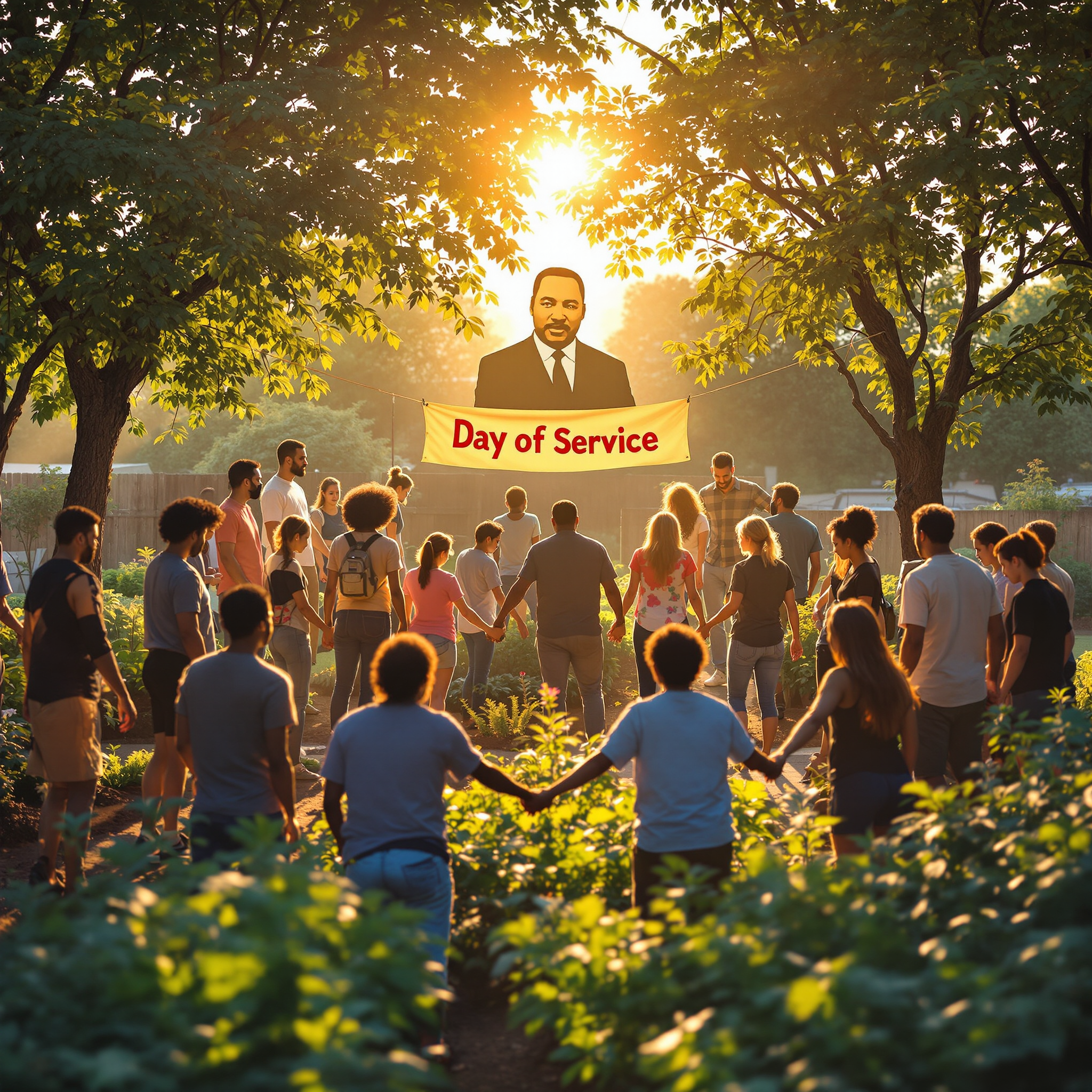
What makes this day truly special is its evolution from a simple commemoration to a National Day of Service. In 1994, Congress transformed the holiday into something more dynamic – a day when Americans are called to action under the powerful motto "A Day On, Not a Day Off." This initiative perfectly embodies Dr. King's philosophy of community service and civic engagement.
The holiday serves as more than just a memorial; it's a living tribute that continues to inspire action and change. Across the nation, communities gather for commemorative events, educational programs, and service projects. From the annual MLK breakfast celebrations in Minneapolis to community gatherings at universities nationwide, these events keep Dr. King's dream alive and relevant for new generations.
As we observe this special day, we're reminded that Dr. King's work extends far beyond civil rights. His teachings on education, character development, and nonviolent resistance continue to guide social justice movements worldwide. The holiday stands as a testament to his belief that positive change comes through peaceful action and unwavering dedication to justice.
Whether through volunteering, attending commemorative events, or simply taking time to reflect on his message, Dr. Martin Luther King Jr. Day offers everyone an opportunity to contribute to his unfinished work of creating a more equitable and just society.
A Historic Milestone: The Birth of Dr. Martin Luther King Jr. Day
In 1986, the United States reached a profound milestone in its journey toward racial equality and social justice. For the first time in American history, a federal holiday was established to honor an African-American leader – Dr. Martin Luther King Jr. Day.
The path to this historic recognition wasn't without its challenges. Following Dr. King's assassination in 1968, civil rights activists and supporters began advocating for a national holiday in his honor. Congressman John Conyers first introduced legislation for a commemorative holiday just four days after King's death. However, it would take nearly two decades of persistent effort and advocacy before this dream would become reality.
The turning point came in 1983 when President Ronald Reagan signed legislation establishing Dr. Martin Luther King Jr. Day as a federal holiday. This decision marked a significant shift in American society's recognition of civil rights leaders and their contributions to social justice.
The selection of January for this observance was deliberate and meaningful. The holiday is celebrated on the third Monday of January, close to Dr. King's birthday on January 15th. This timing serves as a powerful reminder of new beginnings and the ongoing work toward equality that each new year brings.
Since its first official observance in 1986, Dr. Martin Luther King Jr. Day has evolved beyond a mere holiday. It stands as a symbol of progress, a day of reflection, and most importantly, a call to action. In 1994, the holiday gained additional significance when Congress designated it as a National Day of Service, encouraging Americans to honor Dr. King's legacy through community involvement and voluntary service.
Today, this holiday continues to inspire new generations, reminding us that the dream of equality and justice requires ongoing commitment and action from all Americans. It serves not only as a celebration of Dr. King's life and achievements but as a living testament to the power of peaceful resistance and the enduring struggle for civil rights.
The Star of Nonviolence: Dr. Martin Luther King Jr. Day and His Legacy of Change
When we reflect on the civil rights movement, the Montgomery Bus Boycott stands as a pivotal moment where Dr. Martin Luther King Jr. first emerged as a beacon of hope. In 1955, this year-long protest against racial segregation showcased his unwavering commitment to nonviolent resistance, setting the stage for a revolution in American civil rights.
The March on Washington for Jobs and Freedom in 1963 perhaps best exemplifies Dr. King's ability to unite people across racial and social divides. Standing before a crowd of 250,000 people, he delivered his iconic "I Have a Dream" speech, painting a vision of racial harmony that continues to resonate today. This historic gathering, commemorated each Dr. Martin Luther King Jr. Day, demonstrated the power of peaceful protest in achieving social change.
The Selma to Montgomery Marches of 1965 further cemented King's legacy of nonviolent activism. Despite facing brutal opposition and violence, Dr. King led thousands of protesters in their quest for voting rights. The stark contrast between the peaceful demonstrators and their aggressive opponents helped galvanize public opinion and eventually led to the passage of the Voting Rights Act.
Throughout these landmark events, Dr. King's philosophy of nonviolent resistance proved remarkably effective. His approach wasn't merely about avoiding violence; it was about actively choosing love over hate, understanding over ignorance, and peace over conflict. This transformative message continues to inspire millions worldwide, making Dr. Martin Luther King Jr. Day not just a holiday, but a call to action for peaceful social change.
His legacy teaches us that the most powerful weapon against injustice isn't force, but unwavering moral courage coupled with peaceful resistance. As we observe Dr. Martin Luther King Jr. Day each year, we're reminded that change is possible without violence, and that love can indeed overcome hate.
The Spirit of Service on Dr. Martin Luther King Jr. Day: 'Not a Day Off, but a Day On'
In 1994, a transformative shift occurred in how Americans commemorate Dr. Martin Luther King Jr. Day. Congress designated this federal holiday as a National Day of Service, embodying King's vision of community engagement and social responsibility. This decision marked a powerful transition from passive observance to active participation in community building.
The motto "Not a Day Off, but a Day On" perfectly encapsulates the holiday's renewed purpose. Instead of treating it as just another day off work, Americans are encouraged to engage in meaningful volunteer activities that strengthen their communities. This approach honors Dr. King's belief that service to others is life's most urgent and persistent question.
Each year, thousands of Americans participate in various service projects across the nation. These activities range from:
- Organizing food drives for local food banks
- Mentoring young students
- Cleaning up community spaces
- Supporting elderly neighbors
- Participating in civil rights education programs
The impact of this service-oriented approach has been remarkable. Communities report increased civic engagement, stronger social bonds, and meaningful progress toward addressing local challenges. Organizations often see a surge in volunteer participation not just on Dr. Martin Luther King Jr. Day, but throughout the year, as the day inspires ongoing commitment to community service.
This evolution of the holiday demonstrates how commemorative days can become catalysts for positive social change. By transforming a day of remembrance into a day of action, we continue to honor Dr. King's legacy in the most fitting way possible – through service to others and dedication to community improvement.
Continuing the Legacy: Dr. Martin Luther King Jr. Day and Beyond
Despite his tragic assassination, Dr. King's dream of equality and justice continues to resonate powerfully in our modern world. As we observe Dr. Martin Luther King Jr. Day each year, we're reminded that his work remains unfinished, calling for our active participation in building a more equitable society.
Today's challenges may look different from those of the 1960s, but they stem from similar roots of inequality and injustice. Modern movements for social justice draw inspiration from Dr. King's principles of nonviolent resistance and peaceful advocacy. His message of unity, understanding, and service to others remains as relevant as ever.
The annual observance of Dr. Martin Luther King Jr. Day serves not just as a memorial but as a catalyst for action. Communities across America embrace the "Day On, Not a Day Off" philosophy, engaging in volunteer work and community service projects. These activities embody Dr. King's vision of the "beloved community" where all people work together for the common good.
Looking ahead, we must ask ourselves how we can continue Dr. King's legacy in meaningful ways:
- By promoting education and critical thinking
- Through active participation in civic engagement
- By standing up against injustice in all its forms
- Through fostering dialogue across different communities
As we face new social challenges in our increasingly connected world, Dr. King's teachings provide a powerful framework for promoting positive change. His dream wasn't just about racial equality – it was about creating a society where all people could live with dignity, respect, and opportunity.
The journey toward justice and equality continues, and each of us has a role to play. Whether through small daily acts of kindness or larger organized efforts, we can all contribute to realizing Dr. King's vision of a more just and harmonious world.