#Dr. Martin Luther King Jr. Day: More Than A Holiday, A Call to Action and Service
Dr. Martin Luther King Jr. Day: A Legacy That Lives On
Why is the third Monday in January more than just another federal holiday? It's a day that carries one of the most profound messages in American history – a message of hope, equality, and the power of peaceful change.
Every year, as Dr. Martin Luther King Jr. Day approaches, Americans pause to reflect on a man whose dreams fundamentally reshaped their nation. This isn't merely a day off from work or school; it's a powerful reminder of the journey toward justice and equality that continues to inspire millions worldwide.
Dr. King's vision transcended the boundaries of his time. When he stood before the Lincoln Memorial in 1963, delivering his iconic "I Have a Dream" speech, he wasn't just speaking to the crowds gathered that day – he was speaking to future generations. His words continue to resonate today, challenging us to build a more equitable society.
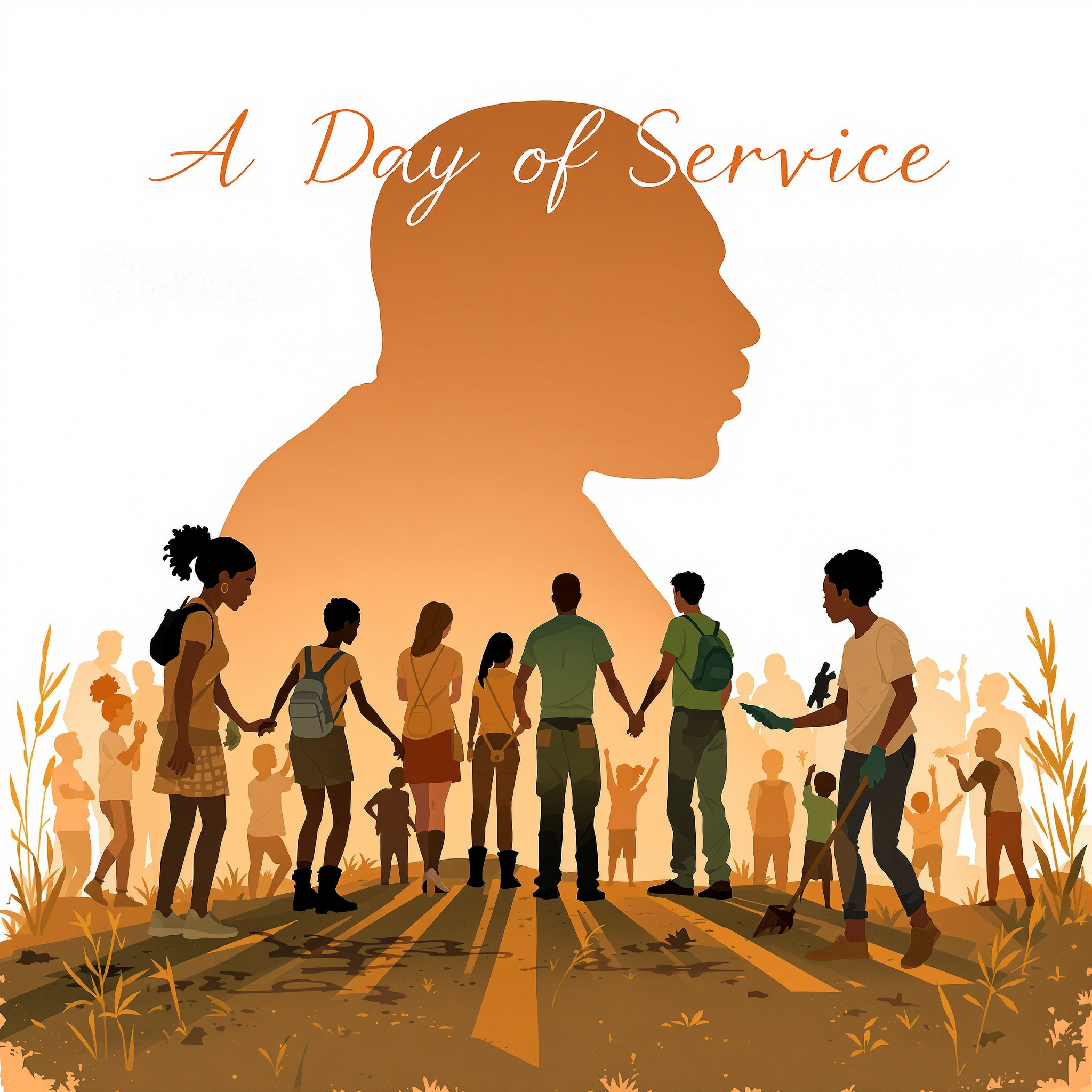
The establishment of Dr. Martin Luther King Jr. Day in 1986 marked a significant milestone – the first federal holiday honoring an African-American. But what truly sets this day apart is its designation as a National Day of Service in 1994. This transformation from a day of remembrance to a "Day On, Not a Day Off" embodies Dr. King's belief that greatness comes through service to others.
Today, this holiday serves as both a tribute and a call to action. It reminds us that Dr. King's dream wasn't just about ending racial segregation – it was about creating a society where character matters more than color, where justice prevails over prejudice, and where service to others becomes a way of life.
As we observe Dr. Martin Luther King Jr. Day, we're not just honoring a historical figure; we're embracing a living legacy that challenges each of us to contribute to the ongoing work of building a more just and equitable world.
Tracing the Historical Journey of Dr. Martin Luther King Jr. Day
When Dr. Martin Luther King Jr. Day was first officially celebrated in 1986, it marked a watershed moment in American history. This milestone represented not just a day off from work, but rather a powerful acknowledgment of the civil rights movement and its most iconic leader.
The path to establishing this federal holiday was not without its challenges. Following Dr. King's assassination in 1968, Representative John Conyers immediately introduced legislation for a commemorative holiday. However, it would take nearly two decades of persistent advocacy and millions of signatures before the holiday would become reality.
In 1983, President Ronald Reagan signed legislation establishing Dr. Martin Luther King Jr. Day as a federal holiday, making it the first and only federal holiday dedicated to an African American. This historic achievement came after years of grassroots campaigning and support from prominent figures, including Stevie Wonder, whose hit song "Happy Birthday" became an anthem for the movement.
The holiday's evolution continued when, in 1994, Congress transformed it into a National Day of Service. This designation perfectly aligned with Dr. King's philosophy of community service and social responsibility, encouraging Americans to treat the day as one of active citizenship rather than passive observation.
Today, Dr. Martin Luther King Jr. Day serves as more than just a commemoration. It stands as a living testament to the power of peaceful protest, the importance of civil rights, and the ongoing journey toward social justice. As we observe this holiday each January, we're reminded not only of Dr. King's dream but of our collective responsibility to continue his work toward equality and justice for all.
The establishment of this holiday represents a significant shift in American consciousness, acknowledging the contributions of African Americans to the nation's history and progress. It serves as an annual reminder that change, while often slow and challenging, is possible through persistent, peaceful action and unwavering dedication to justice.
Resistance, Nonviolence, and the Dream: The Legacy of Dr. Martin Luther King Jr. Day
Dr. Martin Luther King Jr.'s philosophy of nonviolent resistance transformed the landscape of civil rights activism in America. His approach, deeply influenced by Mahatma Gandhi's principles and his own Christian faith, demonstrated that profound social change could be achieved without resorting to violence.
The power of King's nonviolent methodology was particularly evident during the Montgomery Bus Boycott and the historic March on Washington. These peaceful protests showcased how strategic nonviolent resistance could effectively challenge systemic racism while maintaining moral high ground. Rather than responding to hatred with hatred, Dr. King advocated for meeting force with soul force.
Perhaps the most iconic moment of his leadership came during the March on Washington in 1963, where he delivered his famous "I Have a Dream" speech. Standing before a crowd of 250,000 people, Dr. King painted a vivid picture of a future America where racial harmony would prevail:
"I have a dream that one day little black boys and black girls will be able to join hands with little white boys and white girls as sisters and brothers."
These words, echoing across the National Mall, became more than just a speech – they became a blueprint for racial reconciliation and social justice. Today, as we celebrate Dr. Martin Luther King Jr. Day, this dream continues to inspire millions worldwide.
King's commitment to nonviolence wasn't merely a tactical choice; it was a profound moral conviction. Even when faced with violent opposition, imprisonment, and death threats, he remained steadfast in his peaceful approach. His unwavering dedication to this principle earned him the Nobel Peace Prize in 1964, validating his methods on the world stage.
The influence of Dr. King's nonviolent philosophy extends far beyond the civil rights era. Modern social justice movements continue to draw inspiration from his methods, proving that peaceful resistance remains a powerful tool for social change. As we observe Dr. Martin Luther King Jr. Day each year, we're reminded that his dream of equality and justice through peaceful means remains as relevant today as it was during his lifetime.
Through his words and actions, Dr. King showed us that the path to lasting change lies not in the destruction of our opponents, but in the transformation of their hearts and minds through love, understanding, and peaceful resistance.
Indomitable Spirit Through Personal Struggles: A Dr. Martin Luther King Jr. Day Reflection
Behind the powerful speeches and inspirational leadership that we celebrate each Dr. Martin Luther King Jr. Day lay a man who faced profound personal challenges. Despite being one of the most influential civil rights leaders in history, Dr. King grappled with depression severe enough to require multiple hospitalizations. The weight of his mission, combined with constant government surveillance through the FBI's COINTELPRO program, created immense psychological pressure.
Yet, what makes Dr. King's story even more remarkable was his unwavering faith in the face of such adversity. While aware that government agencies were actively working to undermine his efforts, he remained steadfast in his conviction. His personal journals reveal moments of deep despair, but they also show how his spiritual beliefs provided the strength to persevere.
Dr. King's response to these challenges offers a powerful lesson in resilience. Rather than allowing surveillance and personal struggles to deter him, he channeled these difficulties into a deeper commitment to his cause. As his biographer Jonathan Eig notes, King's belief that he was divinely called to his work transformed his personal struggles into fuel for his mission.
This aspect of Dr. King's journey adds a profound dimension to the holiday that bears his name. Each Dr. Martin Luther King Jr. Day serves not only as a celebration of his achievements but as a testament to the power of personal conviction over adversity. His ability to maintain dignity and purpose while under intense pressure demonstrates that true leadership often emerges from conquering one's own internal battles.
His example shows us that greatness doesn't require freedom from personal struggles, but rather the courage to persist despite them. In this light, the holiday becomes not just a commemoration of civil rights victories, but a reminder of the human spirit's capacity to overcome personal trials in service of a greater cause.
The Living Legacy of Dr. Martin Luther King Jr. Day: Love and Service in Action
How does Dr. King's influence manifest in today's world? His dream continues to inspire and guide us toward a more equitable society, particularly through the observance of Dr. Martin Luther King Jr. Day. This federal holiday has evolved into more than just a commemoration – it's become a powerful catalyst for positive change in communities across America.
Today, Dr. King's legacy lives on through countless initiatives and actions:
-
Community Service Projects: Following the "Day On, Not a Day Off" principle, millions of Americans participate in volunteer activities, from feeding the homeless to renovating schools.
-
Educational Programs: Schools and institutions organize special programs focusing on civil rights history, nonviolent conflict resolution, and social justice, keeping Dr. King's educational philosophy alive.
-
Social Justice Movements: Modern activism continues to draw inspiration from Dr. King's methods of peaceful protest and his emphasis on dignity and respect for all.
The holiday serves as an annual reminder that change begins with individual action. In cities and towns across America, people gather not just to remember Dr. King's words, but to put his principles into practice through:
- Interfaith services promoting unity
- Youth leadership programs
- Community improvement initiatives
- Cultural celebrations highlighting diversity
As we observe Dr. Martin Luther King Jr. Day each January, we're reminded that his dream wasn't just about racial equality – it was about creating a beloved community where all people are treated with dignity and respect. Through service and commitment to positive change, we continue to build upon his legacy, making his dream a living reality for future generations.
The question isn't just how we celebrate this day, but how we carry forward Dr. King's vision of love, justice, and service throughout the year. Each act of kindness, each stand against injustice, and each moment of service helps weave the fabric of the society Dr. King envisioned.