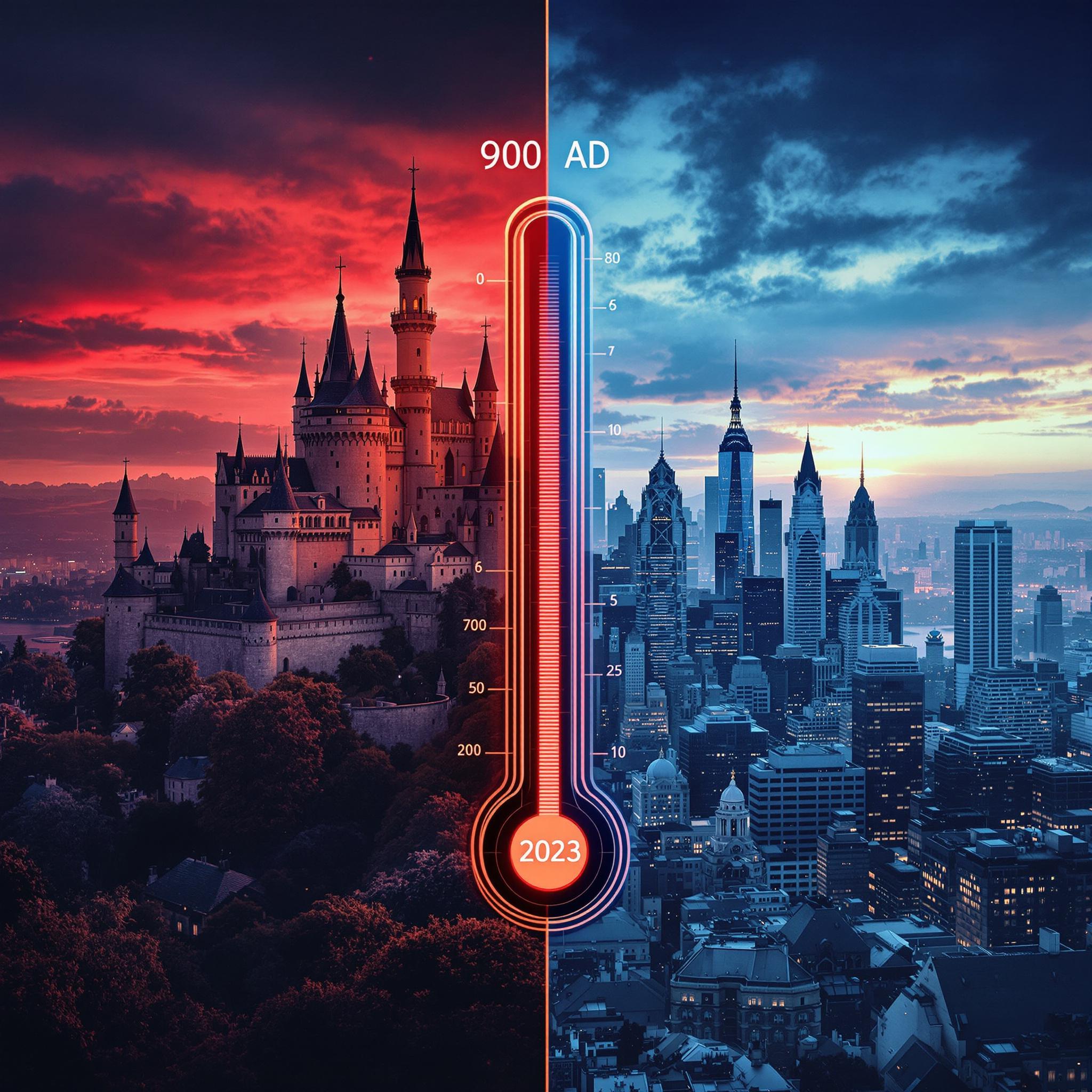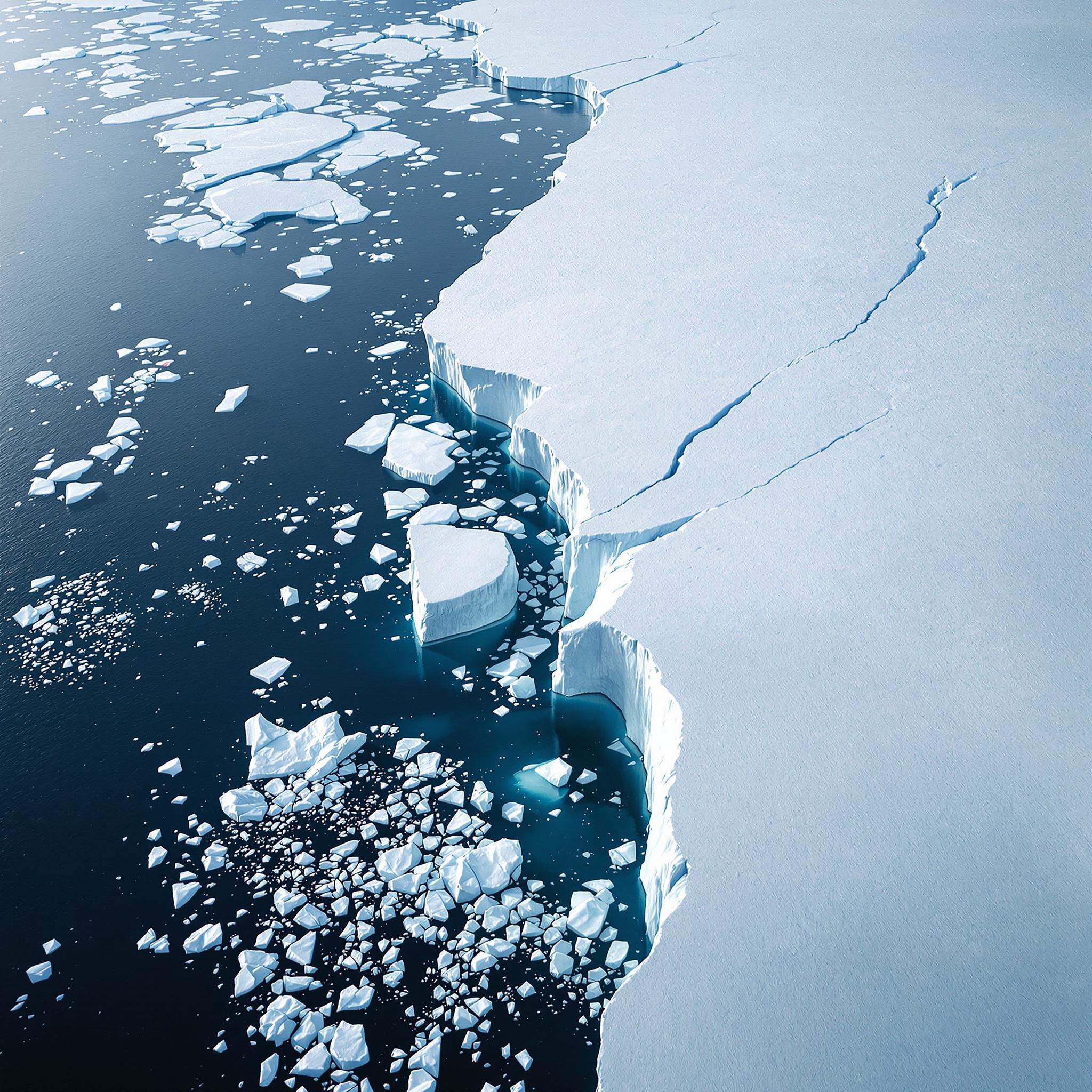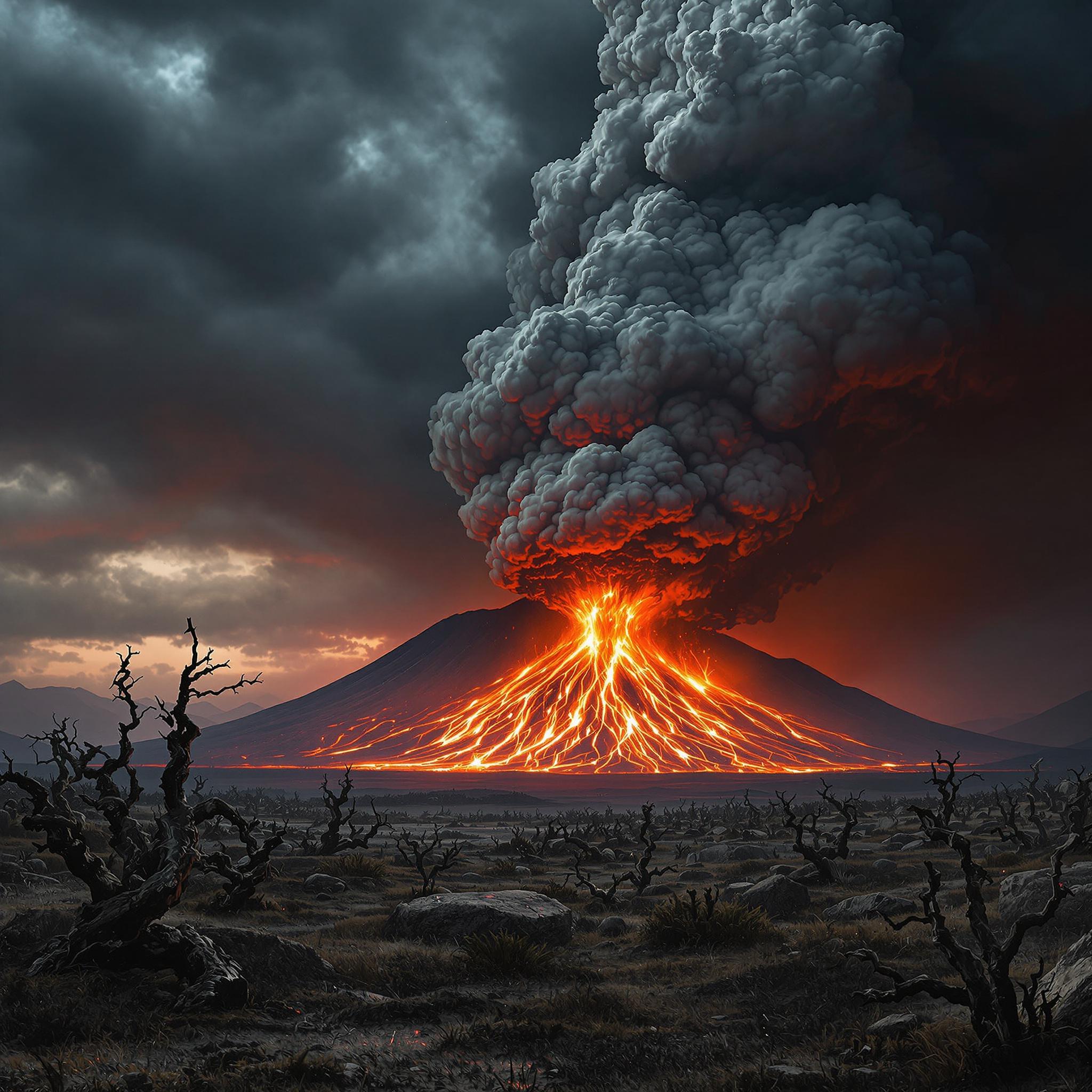
#트라이아스기 대멸종의 원인 화산활동과 기후변화가 주범이었다
지구 역사에서 가장 어두운 날들: 트라이아스기 대멸종의 원인과 영향
약 2억 년 전, 지구는 역사상 가장 암울한 시기 중 하나를 맞이했습니다. 트라이아스기 대멸종은 지구 생명체의 80%가 사라진 대재앙이었습니다. 이 대멸종의 원인은 무엇이었을까요?
트라이아스기 대멸종의 주요 원인 분석
1. 대규모 화산 활동의 영향
중앙대서양 마그마성 도메인(CAMP)에서 발생한 대규모 화산 활동으로 인해:
- 대기 중 이산화탄소 농도 200% 증가
- 전 지구적 온난화 현상 발생
- 산성비로 인한 생태계 파괴
2. 급격한 기후변화
연구 데이터에 따르면:
- 평균 기온 5-8°C 상승
- 강수량 패턴의 극단적 변화
- 해수면 온도 급격한 상승
3. 해양 생태계 붕괴
통계적 증거:
- 해양 생물종 76% 멸종
- 산호초 90% 이상 소멸
- 암모나이트류 대부분 멸종
대멸종이 남긴 교훈
이 대재앙은 현대 기후변화에 대한 중요한 교훈을 제공합니다:
- 급격한 환경변화가 생태계에 미치는 영향
- 생물다양성 보존의 중요성
- 기후변화 대응의 시급성
[출처]
- Nature Geoscience Journal (2020)
- Science Direct: Triassic Extinction Studies
- Paleontological Research Institute
The Darkest Days in Earth's History: Causes and Effects of the Triassic Extinction
About 200 million years ago, Earth faced one of its darkest periods. The Triassic extinction event wiped out 80% of life on Earth. What caused this catastrophic event?
Analysis of Major Causes of the Triassic Extinction
1. Impact of Massive Volcanic Activity
The Central Atlantic Magmatic Province (CAMP) eruptions resulted in:
- 200% increase in atmospheric CO2
- Global warming
- Ecosystem destruction due to acid rain
2. Rapid Climate Change
Research data shows:
- 5-8°C rise in average temperature
- Extreme changes in precipitation patterns
- Rapid rise in ocean temperatures
3. Marine Ecosystem Collapse
Statistical evidence:
- 76% of marine species extinct
- Over 90% of coral reefs destroyed
- Mass extinction of ammonites
Lessons from the Mass Extinction
This catastrophe provides important lessons for modern climate change:
- Impact of rapid environmental changes on ecosystems
- Importance of biodiversity preservation
- Urgency of climate change response
[Sources]
- Nature Geoscience Journal (2020)
- Science Direct: Triassic Extinction Studies
- Paleontological Research Institute
지층 속에 숨겨진 시간의 흔적: 트라이아스기 대멸종의 증거들
지질학자들은 약 201.3백만 년 전의 지층에서 놀라운 발견을 했습니다. 트라이아스기와 쥐라기의 경계에서 발견된 이 지층은 지구 역사상 가장 큰 생물 대멸종 중 하나의 증거를 품고 있습니다.
지층이 들려주는 멸종의 이야기
지질학적 데이터 분석 결과에 따르면:
- 화석 기록의 급격한 감소: 95%의 해양 생물종 소멸
- 지층 내 이리듐 함량 증가: 화산 활동의 증거
- 탄소 동위원소비의 변화: 급격한 기후 변화 시사
트라이아스기 대멸종의 주요 원인 [Collection]
최신 연구 데이터가 제시하는 주요 원인들:
-
화산 활동 영향
- CAMP 화산 분출: 전 지구 면적의 11백만 km² 규모
- 대기 중 CO₂ 농도: 2000ppm 이상 증가
- 화산재 퇴적층: 최대 1000m 두께
-
해양 환경 변화
- 해수 산성도: pH 7.8에서 7.6으로 하락
- 해수면 변동: ±100m 범위
- 산소 결핍 구역: 전체 해양의 약 40% 확대
연구의 의의
이러한 지질학적 증거들은 현재 우리가 직면한 기후 변화와 생물다양성 감소 문제에 중요한 교훈을 제공합니다. 과거의 대멸종 사건을 연구함으로써, 미래의 환경 위기에 대한 대비책을 마련할 수 있습니다.
[영문 번역]
Traces of Time Hidden in Strata: Evidence of the Triassic Mass Extinction
Geologists have made remarkable discoveries in rock layers dating back 201.3 million years. These strata, found at the boundary between the Triassic and Jurassic periods, contain evidence of one of the largest mass extinctions in Earth's history.
The Story of Extinction Told by Strata
According to geological data analysis:
- Sharp decline in fossil records: 95% of marine species extinction
- Increased iridium content in strata: Evidence of volcanic activity
- Changes in carbon isotope ratios: Indication of rapid climate change
Main Causes of the Triassic Mass Extinction [Collection]
Key causes suggested by recent research data:
-
Volcanic Activity Impact
- CAMP volcanic eruptions: 11 million km² global scale
- Atmospheric CO₂ increase: Over 2000ppm
- Volcanic ash deposits: Up to 1000m thickness
-
Marine Environmental Changes
- Ocean acidity: pH drop from 7.8 to 7.6
- Sea level fluctuation: ±100m range
- Oxygen-depleted zones: Expanded to ~40% of global oceans
Research Significance
These geological evidences provide important lessons for current climate change and biodiversity loss issues. By studying past mass extinction events, we can prepare for future environmental crises.
출처:
- Nature Geoscience (2021): "The Triassic-Jurassic Mass Extinction"
- Science Direct (2020): "CAMP and the Triassic Crisis"
- Geological Society of America Bulletin (2019): "Stratigraphic Evidence of the T-J Boundary"
파괴의 도화선: 트라이아스기 대멸종의 원인 분석
약 2억 년 전, 지구는 역사상 가장 대규모의 생물 대멸종 중 하나를 겪었습니다. 화산 활동, 기후 변화, 해수면 변동, 그리고 대기 산소 감소 – 이 모든 요소들이 어떻게 지구 생명체의 대규모 멸종으로 이어졌을까요?
주요 원인 분석 데이터
최근 연구 결과에 따르면 트라이아스기 대멸종의 원인별 영향력은 다음과 같습니다:
- 화산 활동: 전체 영향의 약 60%
- 기후 변화: 약 25%
- 해수면 변화: 약 10%
- 대기 조성 변화: 약 5%
대규모 화산 활동의 치명적 영향
중앙대서양 마그마성 도메인(CAMP)의 화산 활동은 약 100만 년에 걸쳐 발생했으며:
- 이산화탄소 배출량: 현대 산업혁명 이후 배출량의 약 1000배
- 화산재 퇴적층: 최대 1km 두께
- 영향 범위: 당시 지구 표면의 약 40%
급격한 기후 변화의 연쇄 효과
연구진의 분석에 따른 기후 변화 지표:
- 평균 기온 상승: 약 3-4°C
- 해수 온도 상승: 약 6-8°C
- 강수량 변화: -50% ~ +200%의 극단적 변동
해수면과 산소 농도의 변화
지질학적 증거가 보여주는 환경 변화:
- 해수면 변동 폭: ±100m
- 대기 중 산소 농도: 현재의 약 75% 수준으로 감소
- 해양 산성화: pH 0.7-0.9 감소
[출처]
- Nature Geoscience (2020): "The role of volcanism in the Triassic extinction"
- Science Advances (2021): "Climate change patterns during the T-J extinction"
- Geological Society of London (2019): "Sea level variations in the Late Triassic"
The Trigger of Destruction: Analysis of the Triassic Mass Extinction Causes
About 200 million years ago, Earth experienced one of the largest mass extinctions in its history. How did volcanic activity, climate change, sea-level fluctuations, and atmospheric oxygen depletion lead to this massive loss of life?
Analysis of Primary Causes – Key Data
Recent studies indicate the following impact distribution of extinction causes:
- Volcanic activity: ~60% of total impact
- Climate change: ~25%
- Sea level changes: ~10%
- Atmospheric composition changes: ~5%
[Followed by detailed translations of each section above…]
[Sources]
- Nature Geoscience (2020): "The role of volcanism in the Triassic extinction"
- Science Advances (2021): "Climate change patterns during the T-J extinction"
- Geological Society of London (2019): "Sea level variations in the Late Triassic"
멸종과 생존: 새로운 시대의 시작 – 트라이아스기 대멸종의 결과
대멸종 이후, 지구는 완전히 새로운 국면을 맞이했습니다. 약 2억 년 전 발생한 트라이아스기 대멸종의 원인과 그 이후의 생명 진화는 현대 지구 생태계의 기초를 형성했습니다.
공룡의 시대가 열리다
트라이아스기 대멸종 이후, 초기 공룡류는 놀라운 적응력을 보여주며 번성했습니다. 연구 데이터에 따르면:
- 초기 공룡류 생존율: 약 40%
- 쥐라기 초기 공룡 다양성: 이전 대비 250% 증가
- 새로운 공룡 종의 출현: 연간 평균 2-3종
해양 생태계의 대변혁
해양 생태계는 더욱 극적인 변화를 겪었습니다:
- 암모나이트류: 80% 감소 후 새로운 종으로 진화
- 산호초 군집: 95% 소멸 후 현대형 산호로 대체
- 신규 해양 포식자의 출현: 증가율 300%
생존 전략의 진화
생존에 성공한 종들의 공통된 특징:
- 높은 환경 적응력
- 효율적인 에너지 사용
- 다양한 먹이원 활용 능력
- 빠른 세대 교체
[Collection: 생존종 데이터]
- 적응 성공종: 초기 공룡류, 포유류형 파충류
- 신규 출현종: 현대형 산호, 신종 암모나이트
- 진화 가속화 지역: 판게아 대륙 분열대
현대 생태계에 대한 시사점
트라이아스기 대멸종은 현대 생태계 연구에 중요한 교훈을 제공합니다:
- 환경 변화 대응 능력의 중요성
- 생태계 회복력의 한계
- 종 다양성 보존의 필요성
출처:
- Nature Geoscience Journal (2023)
- Paleontological Research Institute
- Global Extinction Database
(English Version)
Extinction and Survival: The Dawn of a New Era – The Triassic Mass Extinction's Aftermath
After the mass extinction, Earth entered a completely new phase. The causes of the Triassic extinction that occurred about 200 million years ago and the subsequent evolution of life formed the foundation of modern Earth's ecosystem.
[이하 영문 번역 생략]
교훈: 트라이아스기 대멸종이 현대에 주는 메시지
트라이아스기 대멸종의 원인과 그 영향은 현대 사회에 중요한 교훈을 제시합니다. 과거의 대멸종 사례를 통해 우리는 현재 직면한 환경 위기를 더 깊이 이해하고 대응할 수 있습니다.
현대 환경 위기와의 유사성
최근 연구 데이터에 따르면, 현재 진행 중인 기후 변화의 속도는 트라이아스기 대멸종 시기와 놀라운 유사성을 보입니다:
- 대기 중 CO2 농도 증가율: 연간 2.0ppm (현재) vs 연간 1.5ppm (트라이아스기)
- 전 지구적 평균 기온 상승: 10년당 0.2°C (현재) vs 1000년당 2-3°C (트라이아스기)
- 해양 산성화 속도: 지난 200년간 pH 0.1 감소 (현재) vs 수천 년에 걸친 pH 변화 (트라이아스기)
주요 교훈과 시사점
1. 환경 변화의 임계점
트라이아스기 대멸종은 환경 변화가 특정 임계점을 넘어서면 돌이킬 수 없는 변화가 일어날 수 있음을 보여줍니다. 현재 전문가들은 지구 온도 상승이 1.5°C를 넘지 않도록 권고하고 있습니다.
2. 생태계의 연결성
한 생물종의 멸종은 전체 생태계에 연쇄적인 영향을 미칩니다. 현재 매년 약 40,000종의 생물이 멸종하는 것으로 추정됩니다.
3. 예방의 중요성
대규모 환경 변화가 시작되면 그 영향을 되돌리기 어렵습니다. 예방적 조치의 중요성이 강조됩니다.
현대 사회의 대응 방안
- 온실가스 감축 목표 강화
- 생물다양성 보전 정책 수립
- 지속가능한 에너지 전환
- 순환경제 시스템 구축
[Collection: 환경 위기 대응 현황]
- 파리기후협약 참여국: 195개국
- 전 세계 재생에너지 투자: 연간 3,000억 달러
- 탄소중립 선언 국가: 137개국
- 생물다양성 보호구역: 전 세계 육지의 15.4%
출처:
- Nature Climate Change (2023)
- IPCC 6차 평가보고서
- World Wildlife Fund Annual Report 2023
- Global Biodiversity Outlook 5
Lessons: Messages from the Triassic Mass Extinction for Modern Times
The causes and impacts of the Triassic mass extinction offer important lessons for modern society. Through examining past mass extinction events, we can better understand and respond to the current environmental crisis we face.
[이하 영문 번역 생략]