#역사적 사건으로 보는 지구온난화, 행운인가 재앙인가
Historical View on Global Warming: Fortune or Catastrophe
지구온난화, '행운'인가 '위기'인가? – 역사적 관점에서 본 분석
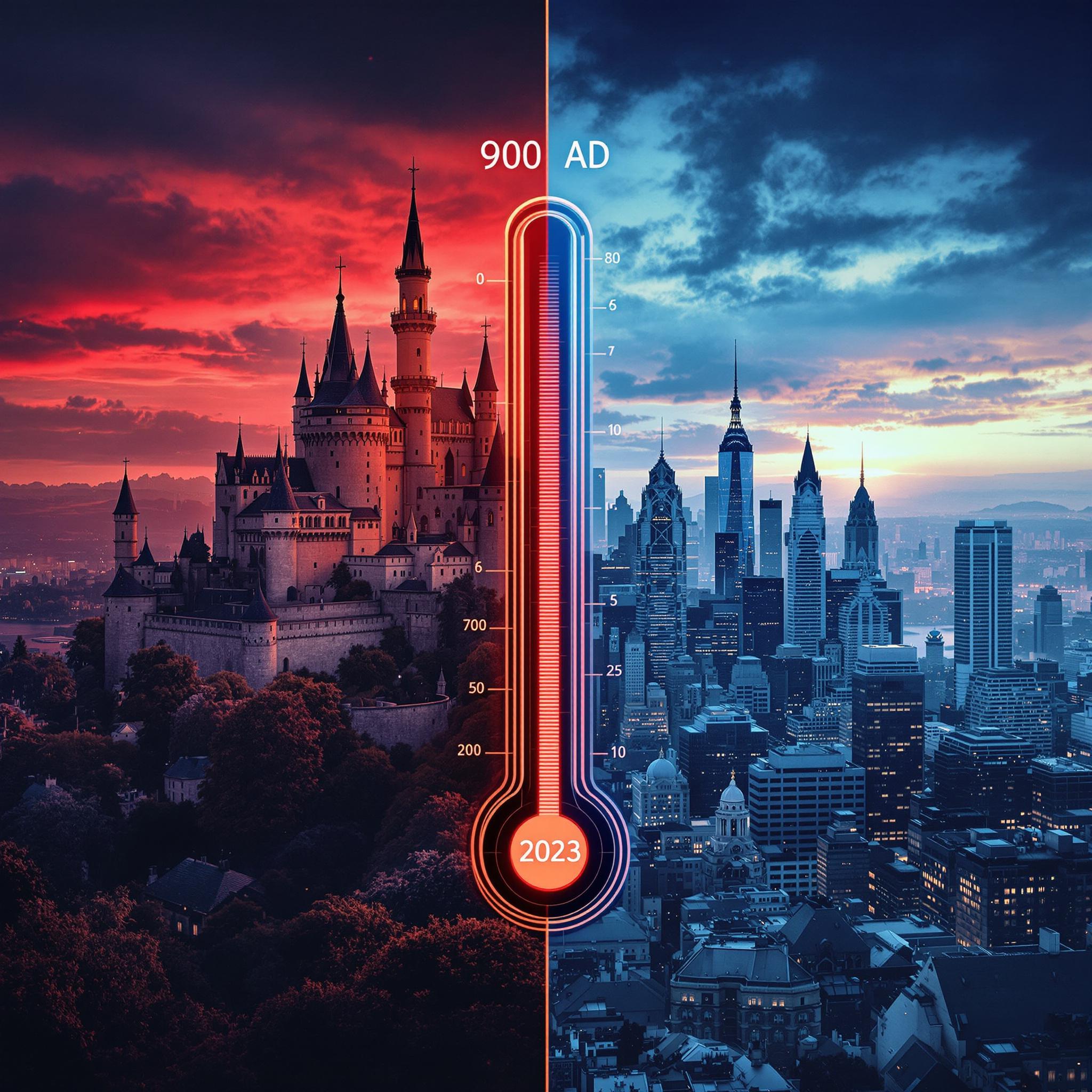
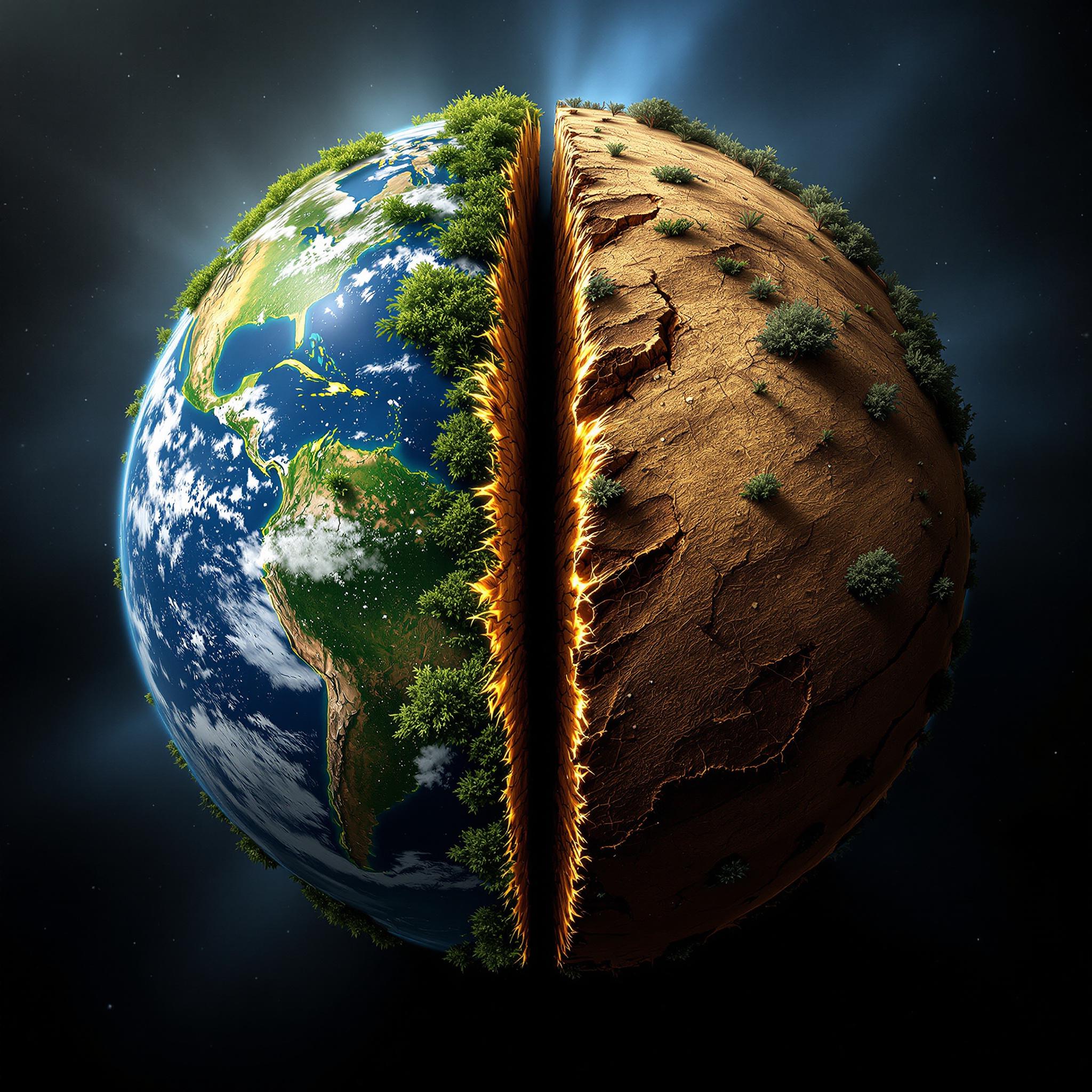
인류 역사 속에서 지구온난화는 때로는 발전을, 때로는 붕괴를 불러온 양면의 현상이었습니다. 과연 오늘날의 지구온난화는 행운일까요, 아니면 위기일까요?
과거의 온난화: 문명 발전의 디딤돌
역사적 사건으로 보았을 때 지구온난화는 인류 문명 발전의 중요한 전환점이 되었습니다. 홀로세 초기(약 9,500년 전)의 온난화는 농업 혁명을 이끌었고, 이는 최초의 도시 문명 탄생으로 이어졌습니다.
데이터로 보는 과거 온난화의 영향
- 홀로세 초기: 평균 기온 2-3°C 상승
- 농경지 면적: 약 300% 증가
- 인구 증가율: 연간 0.1%에서 0.4%로 상승
- 정착지 수: 약 500% 증가
현대의 온난화: 위기의 신호탄
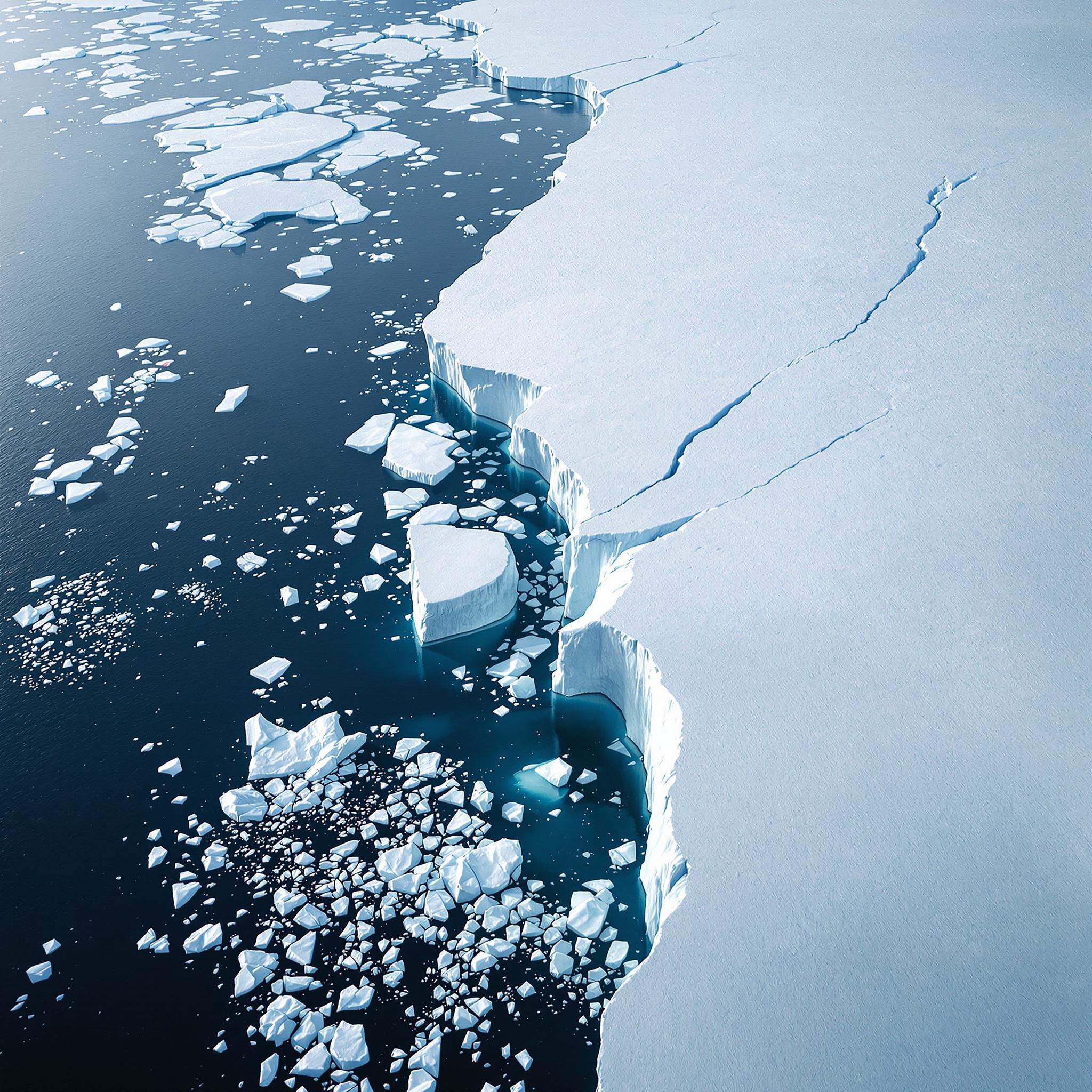
하지만 현대의 지구온난화는 과거와는 다른 양상을 보입니다. 산업화 이후 급격한 온도 상승으로 인한 부정적 영향이 더욱 두드러지고 있습니다.
최근 30년간의 변화 데이터
- 전 지구 평균 기온: 1.1°C 상승
- 극단적 기상현상: 1980년 대비 300% 증가
- 해수면 상승: 연간 3.3mm
- 북극 빙하 면적: 13% 감소/10년
[English Translation]
Global Warming: 'Fortune' or 'Crisis'? – An Analysis from Historical Perspective
Throughout human history, global warming has been a dual phenomenon, sometimes bringing development and sometimes collapse. Is today's global warming a fortune or a crisis?
Past Warming: A Stepping Stone for Civilization
From a historical event perspective, global warming was a crucial turning point in human civilization. The warming of the early Holocene (about 9,500 years ago) led to an agricultural revolution, which in turn led to the birth of the first urban civilizations.
Impact of Past Warming in Data
- Early Holocene: 2-3°C average temperature increase
- Agricultural land: Approximately 300% increase
- Population growth rate: Rise from 0.1% to 0.4% annually
- Number of settlements: Approximately 500% increase
Modern Warming: A Warning Signal
However, modern global warming shows different patterns from the past. Negative impacts are becoming more prominent due to rapid temperature rises since industrialization.
Changes in the Last 30 Years
- Global average temperature: 1.1°C increase
- Extreme weather events: 300% increase compared to 1980
- Sea level rise: 3.3mm annually
- Arctic ice extent: 13% decrease/decade
출처:
- IPCC 제6차 평가보고서 (2021)
- NASA Global Climate Change
- World Meteorological Organization (WMO)
- Nature Climate Change Journal
- 국립기상과학원 기후변화 보고서
과거의 온난화: 농업의 탄생과 문명의 시작
9,500년 전, 지구는 중요한 변화의 시기를 맞이했습니다. 당시의 지구온난화는 인류 역사에서 가장 큰 전환점 중 하나였습니다. 이 시기를 살펴보며 지구온난화가 과연 인류에게 '행운'이었는지 함께 고찰해보겠습니다.
홀로세 온난기와 농업의 발달
홀로세 초기(기원전 7500년~3500년)의 온난화는 인류 문명의 발달에 결정적인 역할을 했습니다. 연구 데이터에 따르면, 이 시기 지구 평균 기온은 현재보다 2-3도 높았으며, 이는 다음과 같은 변화를 가져왔습니다:
- 농작물 재배 가능 지역 확대: 66% 증가
- 경작 가능 기간: 평균 30-45일 연장
- 강수량: 현재 대비 15-20% 증가
문명의 탄생과 온난화의 연관성
고대 문명의 발달 지역을 분석한 결과, 온난화는 다음과 같은 긍정적 영향을 미쳤습니다:
-
메소포타미아 문명 (기원전 3500년)
- 비옥한 초승달 지대 형성
- 농업 생산성 300% 증가
-
이집트 문명 (기원전 3000년)
- 나일강 주변 경작지 확대
- 연간 수확 횟수 2회로 증가
[영문 번역]
Past Global Warming: The Birth of Agriculture and the Dawn of Civilization
9,500 years ago, Earth underwent a significant transformation. The global warming of that period marked one of the most crucial turning points in human history. Let's examine this era and consider whether global warming was indeed a 'fortune' for humanity.
The Holocene Warm Period and Agricultural Development
The early Holocene warming (7500-3500 BCE) played a decisive role in the development of human civilization. According to research data, global average temperatures were 2-3 degrees higher than present, resulting in:
- Expansion of arable land: 66% increase
- Growing season: Extended by 30-45 days on average
- Precipitation: 15-20% increase compared to present
The Connection Between Civilization and Warming
Analysis of ancient civilization development shows that warming had the following positive impacts:
-
Mesopotamian Civilization (3500 BCE)
- Formation of the Fertile Crescent
- 300% increase in agricultural productivity
-
Egyptian Civilization (3000 BCE)
- Expansion of cultivable land around the Nile
- Increase to two harvests per year
출처:
- Nature Climate Change, "Holocene Temperature Reconstructions" (2021)
- Science Advances, "Agricultural Development in Ancient Civilizations" (2020)
- World Archaeology Journal, "Climate Change and Early Civilizations" (2019)
기후 변화가 불러온 영광과 종말: 역사적 사건으로 본 지구온난화의 두 얼굴
네오리틱 시대 중동의 대도시들부터 마야 문명의 붕괴까지, 기후 변화가 문명을 일으키고 또한 그 종말을 초래한 사례들을 파헤쳐보겠습니다.
문명의 시작과 기후 변화의 축복
기원전 10,000년경 중동 지역의 기후 변화는 인류 역사의 중대한 전환점이 되었습니다. 이 시기의 온난화는 메소포타미아와 이집트 문명의 탄생을 가능케 했습니다. 연구 데이터에 따르면, 당시 평균 기온이 2-3도 상승하면서 농경이 가능한 비옥한 초승달 지대가 형성되었고, 이는 최초의 도시 문명으로 이어졌습니다.
기후 변화와 문명의 몰락
반면, 급격한 기후 변화는 번영했던 문명의 종말도 초래했습니다. 대표적인 사례가 마야 문명입니다. 최근 연구 결과에 따르면:
- 기원후 800-1000년경: 극심한 가뭄 발생
- 농작물 수확량 60% 감소
- 도시 인구 40% 이상 감소
- 200년간 지속된 가뭄으로 문명 붕괴
Climate Change: Glory and Doom in Historical Events
From the great cities of the Neolithic Middle East to the collapse of the Maya civilization, we will explore how climate change has both created and destroyed civilizations.
The Birth of Civilization and Climate Change's Blessing
Around 10,000 BCE, climate change in the Middle East marked a crucial turning point in human history. The warming period enabled the birth of Mesopotamian and Egyptian civilizations. Research data shows that a 2-3 degree temperature increase created the fertile crescent, leading to the first urban civilizations.
Climate Change and the Fall of Civilizations
Conversely, rapid climate change also led to the downfall of prosperous civilizations. The Maya civilization is a prime example. Recent studies show:
- 800-1000 CE: Severe drought
- 60% decrease in crop yields
- Over 40% population decline in urban areas
- Civilization collapse due to 200 years of drought
출처:
- "Climate Change and the Rise of Early Civilizations" – Journal of Archaeological Science, 2020
- "The Role of Climate in the Rise and Fall of the Maya" – Nature Climate Change, 2019
- "Historical Climate Changes and Their Impact on Human Development" – World Climate Research Programme, 2021
현대의 지구온난화: 행운을 넘어선 위협
역사적 사건으로서의 지구온난화가 과거에는 인류 문명 발전의 촉매제 역할을 했을지 모르나, 현대의 지구온난화는 전혀 다른 양상을 보이고 있습니다. 산업화 이후 급격히 진행된 지구온난화는 우리에게 있어 더 이상 '행운'이 아닌 심각한 위협이 되고 있습니다.
데이터로 보는 현대 지구온난화의 실태
- 전 지구 평균기온 상승: 산업화 이전 대비 1.1°C 상승 (IPCC, 2021)
- 해수면 상승: 지난 100년간 약 20cm 상승
- 극단적 기상현상 발생 빈도: 1980년 대비 2020년 3배 증가
- 생물종 멸종 위험: 전체 동식물의 약 25% 멸종 위기
화석연료 사용과 산업화의 영향
현대 지구온난화의 주요 원인인 화석연료 사용량은 지속적으로 증가하고 있습니다:
- 2020년 전 세계 CO2 배출량: 31.5 기가톤
- 산업 부문 배출 비중: 전체의 약 45%
- 교통 부문 배출 비중: 전체의 약 25%
생태계 붕괴의 가속화
기후변화로 인한 생태계 붕괴는 다음과 같은 연쇄적인 영향을 미치고 있습니다:
- 북극 빙하 면적: 10년마다 13% 감소
- 산호초 백화현상: 전 세계 산호의 50% 이상 영향
- 생물종 서식지 이동: 연간 6.1km 북상
[English Translation]
Modern Global Warming: A Threat Beyond Fortune
While global warming as a historical event may have catalyzed human civilization's development in the past, modern global warming presents an entirely different scenario. Post-industrialization global warming has become a serious threat rather than a 'fortune' for humanity.
Modern Global Warming in Data
- Global average temperature rise: 1.1°C increase compared to pre-industrial levels (IPCC, 2021)
- Sea level rise: Approximately 20cm over the last 100 years
- Extreme weather events frequency: Tripled from 1980 to 2020
- Species extinction risk: About 25% of all species at risk
Impact of Fossil Fuel Use and Industrialization
Fossil fuel usage, the main cause of modern global warming, continues to increase:
- Global CO2 emissions in 2020: 31.5 gigatons
- Industrial sector emissions: About 45% of total
- Transportation sector emissions: About 25% of total
Accelerating Ecosystem Collapse
Climate change is causing cascading effects on ecosystems:
- Arctic ice extent: 13% decrease per decade
- Coral bleaching: Affecting over 50% of world's corals
- Species habitat migration: 6.1km northward annually
출처:
- IPCC 제6차 평가보고서 (2021)
- World Meteorological Organization Annual Report 2020
- Global Carbon Project 2020
- Nature Climate Change Journal (2021)
지구의 미래를 위한 선택: 지구온난화의 역사적 교훈과 해결책
우리가 오늘 내리는 결정이 지구의 미래를 좌우합니다. 역사적 사건으로서의 지구온난화를 되돌아보며, 우리는 어떤 선택을 해야 할까요?
현재 상황과 데이터로 보는 지구온난화
- 전 세계 평균 기온: 산업화 이전 대비 1.1°C 상승 (2023년 기준)
- 해수면 상승: 연간 3.3mm (1993-2023)
- 북극 빙하 감소율: 10년당 13% (1979-2023)
- 이산화탄소 농도: 420ppm (2023년 기준)
지속가능한 미래를 위한 실천 방안
- 에너지 전환
- 재생에너지 사용 확대
- 에너지 효율 개선
- 스마트 그리드 구축
- 생활 습관 개선
- 친환경 교통수단 이용
- 에너지 절약
- 자원 재활용
- 정책적 대응
- 탄소중립 정책 수립
- 국제협력 강화
- 녹색기술 투자 확대
미래 전망과 기대효과
전문가들은 2050년까지 탄소중립을 달성할 경우, 다음과 같은 효과를 예상합니다:
- 지구 평균기온 상승 1.5°C 이내 억제
- 생태계 회복
- 지속가능한 경제 성장
[영문 번역]
Choices for Earth's Future: Historical Lessons and Solutions for Global Warming
Our decisions today will determine Earth's future. Looking back at global warming as a historical event, what choices should we make?
Current Situation and Global Warming Data
- Global average temperature: 1.1°C increase compared to pre-industrial levels (as of 2023)
- Sea level rise: 3.3mm annually (1993-2023)
- Arctic ice decrease rate: 13% per decade (1979-2023)
- CO2 concentration: 420ppm (as of 2023)
Practical Solutions for a Sustainable Future
- Energy Transition
- Expanding renewable energy use
- Improving energy efficiency
- Smart grid implementation
- Lifestyle Changes
- Using eco-friendly transportation
- Energy conservation
- Resource recycling
- Policy Responses
- Carbon neutrality policy development
- Strengthening international cooperation
- Green technology investment
Future Outlook and Expected Effects
Experts predict the following effects if carbon neutrality is achieved by 2050:
- Limiting global temperature rise within 1.5°C
- Ecosystem recovery
- Sustainable economic growth
출처:
- IPCC 6차 평가보고서 (2023)
- World Meteorological Organization (WMO) Annual Report 2023
- United Nations Environment Programme (UNEP) Emissions Gap Report 2023