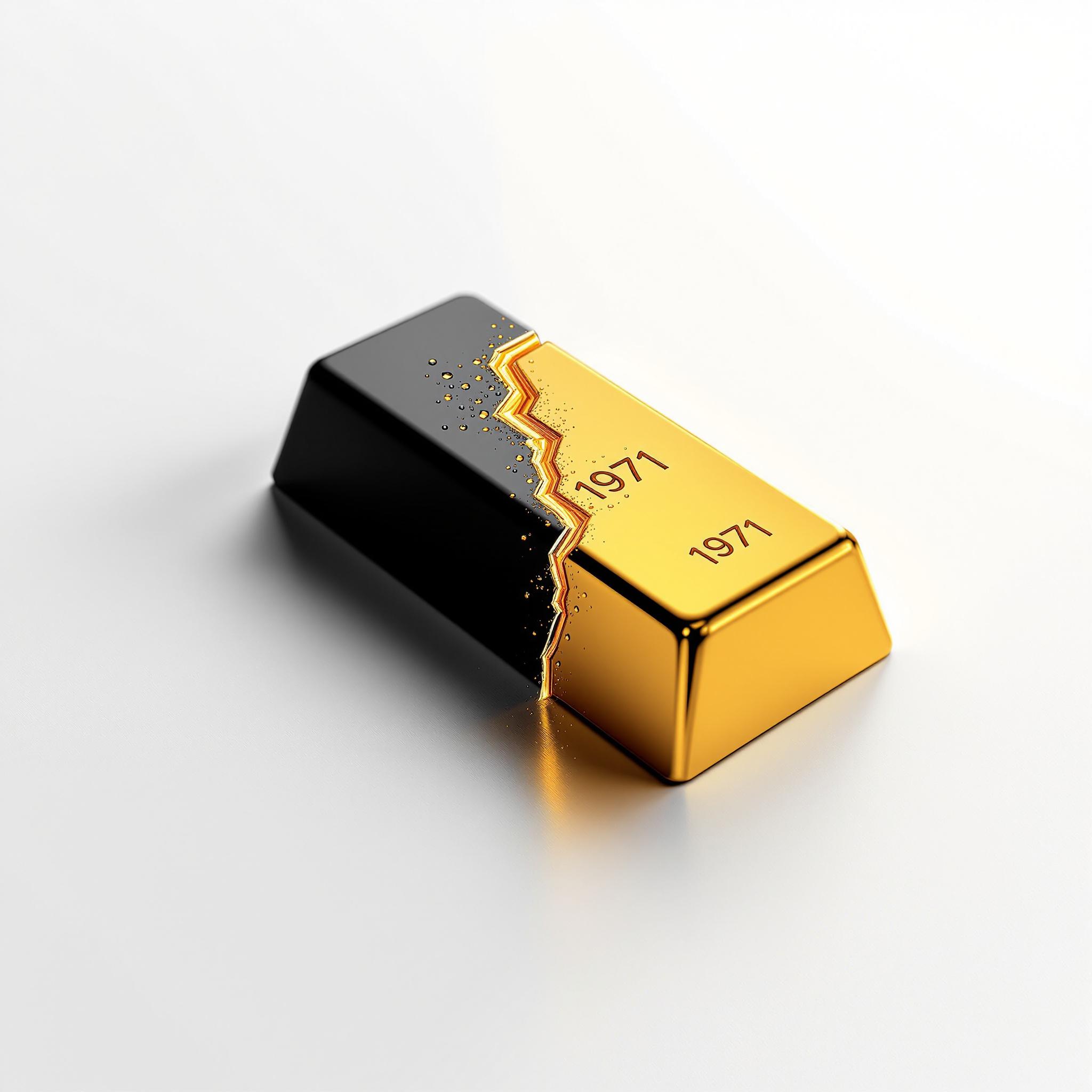
#1971년 금의 대변혁 금이 지금처럼 가치있게 된 결정적 순간
The Golden Revolution When Gold Became Modern Wealth 1971
금은 언제부터 이렇게 가치 있게 되었을까? 금의 현대적 가치 형성 역사
고대부터 부와 권력의 상징이었던 금, 그러나 오늘날 투자 자산으로서의 가치를 얻은 것은 과연 언제부터일까요? 금은 인류 역사상 가장 오래된 가치 저장 수단 중 하나이지만, 금이 지금처럼 가치 있게 된 것은 언제부터였나에 대한 답은 생각보다 현대적인 시점에서 찾을 수 있습니다.
브레튼우즈 체제 붕괴와 금의 자유시장 진입 (1971)
금의 현대적 가치 형성의 시작점은 1971년 브레튼우즈 체제 붕괴라고 볼 수 있습니다. 이전까지 금은 1온스당 35달러로 고정되어 있었으나, 닉슨 대통령의 금태환 중단 선언으로 금 가격이 자유시장에서 결정되기 시작했습니다. 이 결정적 순간이 금을 현대 금융시스템 속 투자 자산으로 변모시킨 첫 단계였습니다.
1970년대 인플레이션과 금 가격의 폭등
1970년대 석유 파동과 높은 인플레이션으로 금 가격은 폭발적으로 상승했습니다. 시장 데이터에 따르면 이 시기 금값은 연간 평균 35%씩 상승하여 1980년에는 온스당 850달러까지 치솟았습니다. 이 시기에 금은 인플레이션 헤지의 대표적 수단으로 인식되기 시작했습니다.
글로벌 금융위기와 금의 부활 (2008-2011)
2008년 글로벌 금융위기는 금의 안전자산 지위를 재확인시킨 중요한 사건이었습니다. 시장조사에 따르면 금은 위기 발생 후 3년간 약 150% 상승하며 온스당 1,900달러까지 치솟았습니다. 이 기간 중앙은행들은 순매도자에서 순매수자로 전환되었고, 이러한 추세는 오늘날까지 이어지고 있습니다.
현대 금 가격의 상승 추세 데이터
최근 시장조사 데이터를 살펴보면 금의 가치 상승 추세가 뚜렷하게 나타납니다:
| 시기 | 주요 사건 | 금 가격 변화 |
|---|---|---|
| 1971 | 브레튼우즈 체제 붕괴 | 온스당 35달러에서 자유변동 시작 |
| 1980 | 인플레이션 정점 | 온스당 850달러 (1971년 대비 24배 상승) |
| 2008-2011 | 글로벌 금융위기 | 3년간 150% 상승, 온스당 1,900달러 도달 |
| 2020 | 코로나 팬데믹 | 사상 처음으로 온스당 2,000달러 돌파 |
| 2023-현재 | 지정학적 불안정과 인플레이션 | 온스당 2,500달러 이상으로 상승 지속 |
현대 금 시장을 움직이는 요인들
금이 현재와 같은 가치를 유지하는 주요 요인들은 다음과 같습니다:
-
중앙은행의 대규모 매입: 최근 조사에 따르면 전 세계 중앙은행들은 최근 50년 중 가장 적극적으로 금을 매입하고 있으며, 연간 약 1,000톤 이상의 금을 축적하고 있습니다.
-
달러 기축통화 불확실성: 미국 달러의 기축통화 지위에 대한 불안감이 커지면서 많은 국가들이 외환보유고 다변화 전략으로 금 매입을 늘리고 있습니다.
-
디지털 시대의 실물 자산 가치: 비트코인 등 '디지털 금'이 등장했음에도 불구하고, 실물 금은 여전히 사이버 리스크가 없는 안전자산으로 인식되고 있습니다.
- 공급 제한: 새로운 금광 발견의 감소와 채굴 비용 증가로 금 공급이 제한되며 가격 상승 압력이 가중되고 있습니다.
결론: 금의 가치는 어떻게 진화해왔나?
금이 지금처럼 가치 있게 된 것은 1971년 브레튼우즈 체제 붕괴라는 분기점 이후부터였습니다. 그 이전에도 금은 가치가 있었지만, 현대 금융시장에서의 투자 자산으로서 가치는 자유시장 원리가 적용된 이후에 형성되었습니다. 특히 경제 위기와 통화정책 불확실성이 반복될수록 안전자산으로서의 금의 가치는 더욱 강화되었고, 이제는 글로벌 금융 시스템의 안전망 역할을 담당하고 있습니다.
금은 5,000년이 넘는 역사 속에서 그 가치를 인정받아 왔지만, 현대적 의미의 투자 자산으로서 금의 역사는 불과 50여 년에 불과합니다. 그럼에도 불구하고 디지털 시대에도 여전히 그 가치를 인정받고 있다는 점은 금의 시장 지위가 얼마나 견고한지를 보여주는 증거입니다.
When Did Gold Become So Valuable? The History of Gold's Modern Value Formation
Gold has been a symbol of wealth and power since ancient times, but when did it acquire its value as an investment asset in modern times? While gold has been one of the oldest stores of value in human history, the answer to when gold became as valuable as it is today can be found at a surprisingly modern point in time.
The Collapse of the Bretton Woods System and Gold's Entry into the Free Market (1971)
The starting point for gold's modern value formation can be considered the collapse of the Bretton Woods system in 1971. Until then, gold was fixed at $35 per ounce, but with President Nixon's announcement to end gold convertibility, gold prices began to be determined in the free market. This decisive moment was the first step in transforming gold into an investment asset within the modern financial system.
1970s Inflation and the Surge in Gold Prices
In the 1970s, oil shocks and high inflation caused gold prices to rise explosively. According to market data, gold prices during this period increased by an average of 35% annually, reaching $850 per ounce by 1980. It was during this time that gold began to be recognized as a representative means of hedging against inflation.
Global Financial Crisis and the Revival of Gold (2008-2011)
The 2008 global financial crisis was an important event that reaffirmed gold's status as a safe-haven asset. According to market research, gold rose by approximately 150% over three years following the crisis, soaring to $1,900 per ounce. During this period, central banks switched from net sellers to net buyers, a trend that continues to this day.
Modern Gold Price Trend Data
Recent market research data clearly shows the upward trend in gold's value:
| Period | Major Event | Gold Price Change |
|---|---|---|
| 1971 | Collapse of Bretton Woods | Starting free fluctuation from $35 per ounce |
| 1980 | Peak of Inflation | $850 per ounce (24x increase from 1971) |
| 2008-2011 | Global Financial Crisis | 150% increase over 3 years, reaching $1,900 per ounce |
| 2020 | COVID-19 Pandemic | Surpassing $2,000 per ounce for the first time in history |
| 2023-Present | Geopolitical Instability and Inflation | Continued rise above $2,500 per ounce |
Factors Driving Today's Gold Market
The key factors maintaining gold's current value include:
-
Large-scale Central Bank Purchases: Recent studies show that central banks around the world are buying gold more actively than they have in 50 years, accumulating more than 1,000 tons of gold annually.
-
Uncertainty about the Dollar as a Reserve Currency: As concerns about the U.S. dollar's status as a reserve currency grow, many countries are increasing gold purchases as a strategy to diversify their foreign exchange reserves.
-
Value of Physical Assets in the Digital Age: Despite the emergence of 'digital gold' like Bitcoin, physical gold is still perceived as a safe asset with no cyber risks.
- Supply Limitations: Reduced discovery of new gold mines and increased mining costs are limiting gold supply, adding pressure for price increases.
Conclusion: How Has Gold's Value Evolved?
Gold became as valuable as it is today after the turning point of the collapse of the Bretton Woods system in 1971. While gold had value before then, its value as an investment asset in the modern financial market was formed after free market principles were applied. In particular, as economic crises and monetary policy uncertainties have repeated, gold's value as a safe asset has strengthened, and it now serves as a safety net for the global financial system.
Gold has been recognized for its value throughout more than 5,000 years of history, but the history of gold as an investment asset in the modern sense is only about 50 years old. Nevertheless, the fact that it is still valued in the digital age is evidence of how solid gold's market position is.
출처:
- World Gold Council, "Gold Market Analysis," 2023.
- Federal Reserve Economic Data (FRED), "Gold Fixing Price," St. Louis Fed, 2023.
- IMF, "World Economic Outlook," 2023.
- Bank for International Settlements, "Annual Economic Report," 2022.
- Bloomberg, "Global Precious Metals Market Report," 2023.
브레튼우즈 체제 붕괴와 금의 자유: 금이 지금처럼 가치 있게 된 것은 언제부터였나?
1971년, 리처드 닉슨 미국 대통령이 TV 연설을 통해 발표한 금태환 중단 선언은 전 세계 금융 시스템을 영원히 바꾸어 놓았습니다. 이 역사적인 순간은 "닉슨 쇼크"라 불리며, 금의 가치가 정부에 의해 고정되던 시대에서 시장에 의해 자유롭게 결정되는 새로운 시대로의 전환점이 되었습니다.
브레튼우즈 체제와 금의 속박 (1944-1971)
제2차 세계대전 종전 무렵인 1944년, 44개국 대표들이 미국 뉴햄프셔주의 브레튼우즈에 모여 전후 국제 통화 질서를 설계했습니다. 이 체제의 핵심은 미국 달러를 금 1온스당 35달러로 고정하고, 다른 국가들의 통화는 달러에 연동시키는 것이었습니다. 그러나 이 시스템은 금의 가치를 인위적으로 제한했으며, 금은 자유롭게 거래될 수 없었습니다.
"브레튼우즈 체제 하에서 금은 국제 결제의 중심이었지만, 그 가치는 정부에 의해 통제되었습니다. 시장 참여자들은 금의 진정한 가치를 발견할 기회가 없었습니다." – 세계 금 협회
닉슨 쇼크와 금 가격의 해방 (1971)
1960년대 후반, 미국의 무역적자와 베트남 전쟁 비용으로 달러 가치가 하락하면서 외국 정부들은 보유한 달러를 금으로 교환하기 시작했습니다. 미국의 금 보유량이 급격히 감소하자, 닉슨 행정부는 1971년 8월 15일 금태환을 일시적으로 중단한다고 발표했습니다. 이 "일시적" 조치는 결국 영구적이 되었습니다.
이 결정으로 인해 금 가격은 시장의 수요와 공급에 따라 결정되기 시작했고, 금은 통화 시스템의 족쇄에서 벗어나게 되었습니다.
자유로워진 금의 가격 폭등 (1972-1980)
금태환 중단 이후, 금 가격은 놀라운 상승세를 기록했습니다:
| 연도 | 금 가격 (온스당) | 연간 변동률 |
|---|---|---|
| 1970 | $36 | – |
| 1972 | $58 | +61% |
| 1974 | $183 | +215% |
| 1978 | $193 | +5.5% |
| 1980 | $850 | +340% |
특히 1979년에서 1980년 사이, 이란 혁명과 소련의 아프가니스탄 침공으로 인한 지정학적 불안, 그리고 두 자릿수 인플레이션으로 인해 금 가격이 급등했습니다. 이때 금은 온스당 $850까지 상승하며, 불과 9년 만에 2,300% 이상 상승하는 기록적인 성과를 보였습니다.
금이 현대적 안전자산으로 자리잡은 시점
브레튼우즈 체제 붕괴 후 자유 시장에서 금의 가치가 인정받기 시작했지만, 금이 현대적 의미의 안전자산으로 확고히 자리잡은 것은 1970년대 오일쇼크와 인플레이션을 거치면서였습니다. 이 시기 투자자들은 불안정한 경제 상황에서 금이 가치를 보존하는 능력을 직접 목격했습니다.
금 시장 전문가들의 조사에 따르면, 금이 지금처럼 가치 있게 된 주요 요인은 다음과 같습니다:
- 정부 간섭으로부터의 자유: 시장 원리에 따른 가격 결정
- 인플레이션 헤지 능력: 1970년대 물가상승기 입증
- 글로벌 투자 접근성 확대: ETF와 같은 금 투자 상품 출시
- 중앙은행의 금 매입 증가: 달러 의존도 감소 전략
현대 안전자산으로서의 위상 확립
1971년 브레튼우즈 체제 붕괴 이후 금은 단순한 귀금속에서 글로벌 금융 시스템의 핵심 안전자산으로 변모했습니다. 금이 지금처럼 가치 있게 된 시점은 정확히 1971년 닉슨의 금태환 중단 선언 이후라고 볼 수 있으며, 이후 경제 위기마다 금은 그 가치를 입증해왔습니다.
세계금협회(World Gold Council)의 조사에 따르면, 1971년 이후 금은 주요 통화 대비 연평균 7.9%의 수익률을 기록했으며, 시장 불확실성이 높았던 시기에는 더욱 높은 수익률을 보였습니다. 이는 금이 자유 시장에서 진정한 가치를 발견했음을 증명합니다.
The Collapse of the Bretton Woods System and Gold's Freedom: When Did Gold Become as Valuable as It Is Today?
In 1971, U.S. President Richard Nixon's televised announcement to suspend gold convertibility forever changed the global financial system. This historic moment, known as the "Nixon Shock," marked the transition from an era where gold's value was fixed by governments to a new age where it would be freely determined by market forces.
The Bretton Woods System and Gold's Constraint (1944-1971)
Near the end of World War II in 1944, representatives from 44 countries gathered in Bretton Woods, New Hampshire, to design the post-war international monetary order. The core of this system was to fix the U.S. dollar at $35 per ounce of gold, with other currencies pegged to the dollar. However, this system artificially limited gold's value, and gold could not be freely traded.
"Under the Bretton Woods system, gold was at the center of international settlements, but its value was controlled by governments. Market participants had no opportunity to discover gold's true value." – World Gold Council
The Nixon Shock and Gold Price Liberation (1971)
In the late 1960s, as the U.S. trade deficit widened and Vietnam War costs mounted, the dollar's value declined, prompting foreign governments to exchange their dollars for gold. As U.S. gold reserves rapidly depleted, the Nixon administration announced the temporary suspension of gold convertibility on August 15, 1971. This "temporary" measure eventually became permanent.
This decision allowed gold prices to be determined by market supply and demand, freeing gold from the shackles of the currency system.
The Price Surge of Liberated Gold (1972-1980)
After the suspension of gold convertibility, gold prices recorded remarkable increases:
| Year | Gold Price (per ounce) | Annual Change |
|---|---|---|
| 1970 | $36 | – |
| 1972 | $58 | +61% |
| 1974 | $183 | +215% |
| 1978 | $193 | +5.5% |
| 1980 | $850 | +340% |
Particularly between 1979 and 1980, geopolitical instability caused by the Iranian Revolution and the Soviet invasion of Afghanistan, along with double-digit inflation, led to a surge in gold prices. During this period, gold rose to $850 per ounce, achieving a remarkable increase of over 2,300% in just 9 years.
When Gold Established Itself as a Modern Safe-Haven Asset
After the collapse of the Bretton Woods system, gold's value began to be recognized in the free market, but it was during the 1970s oil shocks and inflation that gold firmly established itself as a safe-haven asset in the modern sense. During this period, investors directly witnessed gold's ability to preserve value in unstable economic conditions.
According to gold market experts, the main factors that made gold as valuable as it is today include:
- Freedom from Government Interference: Price determination according to market principles
- Inflation Hedging Ability: Proven during the price increases of the 1970s
- Expanded Global Investment Accessibility: Introduction of gold investment products like ETFs
- Increased Central Bank Gold Purchases: Strategies to reduce dollar dependency
Establishing Its Position as a Modern Safe-Haven Asset
Since the collapse of the Bretton Woods system in 1971, gold has transformed from a simple precious metal to a core safe-haven asset in the global financial system. The point at which gold became as valuable as it is today can be precisely dated to after Nixon's suspension of gold convertibility in 1971, and gold has proven its value during every economic crisis since then.
According to the World Gold Council, gold has recorded an average annual return of 7.9% against major currencies since 1971, with even higher returns during periods of high market uncertainty. This proves that gold has discovered its true value in the free market.
출처/References
- World Gold Council, "Gold Demand Trends", 2023
- Federal Reserve History, "Nixon Ends Convertibility of U.S. Dollars to Gold (1971)"
- Kitco News, "The 50-Year Anniversary of the End of the Gold Standard", 2021
- U.S. Geological Survey, "Historical Statistics for Mineral and Material Commodities"
- IMF, "The End of the Bretton Woods System (1972–81)"
위기 속에서 빛난 금의 역할: 금이 지금처럼 가치 있게 된 것은 언제부터였나?
2008년 글로벌 금융위기와 2020년 코로나 팬데믹, 그리고 최근의 지정학적 갈등까지. 경제적 불확실성이 커질수록 금은 안전자산으로서의 진가를 발휘해왔습니다. 이런 위기 상황에서 금값이 어떻게 급등했고, 투자자들의 마지막 피난처 역할을 했는지 살펴보겠습니다.
금융위기와 금값의 역사적 상승
2008년 리먼브라더스 파산으로 시작된 글로벌 금융위기는 금의 가치를 재조명하는 중요한 전환점이 되었습니다. 이 시기 금 가격은 3년간 무려 150% 상승하는 놀라운 성과를 기록했습니다. 주식과 부동산 같은 전통적 자산들이 폭락하는 동안, 금은 안정적인 대안 투자처로 부각되었습니다.
다음 데이터를 살펴보면 금융위기 전후 금값 변화가 더욱 명확히 드러납니다:
| 연도 | 금 가격(온스당) | 주요 사건 |
|---|---|---|
| 2007 | $695 | 금융위기 징후 |
| 2008 | $880 | 리먼브라더스 파산 |
| 2009 | $1,087 | 양적완화 정책 시행 |
| 2011 | $1,895 | 금융위기 여파, 유로존 위기 |
이 데이터에서 알 수 있듯, 금값은 위기 상황에서 투자자들이 안전을 추구함에 따라 급등했습니다. 특히 중앙은행들의 양적완화 정책이 시행되면서 화폐가치 하락에 대한 우려가 고조되었고, 이는 금에 대한 수요를 더욱 촉진했습니다.
팬데믹 시대의 금: 역사적 최고치 경신
2020년 코로나19 팬데믹은 또 다른 중요한 분기점이었습니다. 글로벌 봉쇄와 전례 없는 경제적 불확실성 속에서 금값은 사상 최초로 온스당 2,000달러를 돌파하는 역사적 기록을 세웠습니다.
팬데믹 기간 금 가격 추이:
- 2020년 1월: $1,560
- 2020년 8월: $2,067 (사상 최고치)
- 2021년 연평균: $1,800 이상 유지
이 시기 금의 가치 상승 원인으로는 다음과 같은 요소들이 작용했습니다:
- 대규모 경기부양책: 각국 정부와 중앙은행들의 유동성 공급으로 인플레이션 우려 확산
- 실질금리 하락: 마이너스 실질금리 환경에서 금의 상대적 매력도 증가
- 불확실성 프리미엄: 경제 전망에 대한 불확실성이 안전자산 선호 현상 강화
중앙은행들의 금 매입 러시
놀랍게도 최근 중앙은행들은 50년 만에 가장 적극적으로 금을 매입하고 있습니다. 2022년 이후 글로벌 중앙은행들은 연간 1,000톤 이상의 금을 순매수하며 금 가격 상승을 견인하고 있습니다.
주요 국가별 중앙은행 금 보유량 증가 현황 (2020-2023):
- 중국: +247톤
- 인도: +128톤
- 터키: +312톤
- 러시아: +163톤
이러한 중앙은행의 금 매입 러시는 달러 중심 국제 통화체제에 대한 의존도를 줄이려는 탈달러화(dedollarization) 움직임과 맞물려 있습니다. 특히 제재 위험에 노출된 국가들이 금을 외환보유고 다변화의 핵심 수단으로 활용하면서 금의 지정학적 중요성이 한층 강화되었습니다.
금의 현대적 가치: 언제부터 시작되었나?
금이 지금처럼 현대적 투자자산으로서 가치를 인정받게 된 것은 명확히 1971년 브레튼우즈 체제 붕괴 이후입니다. 닉슨 대통령이 달러와 금의 태환을 중단하면서 금 가격이 시장에서 자유롭게 결정되기 시작했고, 이는 금의 투자자산화를 촉진했습니다.
금의 가치 변화 타임라인:
- 1971년 이전: 금 1온스 = 35달러로 고정 (브레튼우즈 체제)
- 1971-1980: 금태환 중단 후 자유변동환율제로 전환, 금값 850달러까지 상승
- 1980-2000: 변동성 있는 조정 기간
- 2001-2011: 테러, 금융위기로 인한 1차 상승기
- 2011-2019: 조정 기간
- 2020-현재: 팬데믹, 인플레이션, 지정학적 위기로 인한 2차 상승기
이처럼 금은 경제적 불확실성이 고조될 때마다 그 가치가 재평가되면서 현대 금융시장의 핵심 안전자산으로 자리매김해왔습니다.
금 투자의 현대적 접근법
과거에는 금괴나 금화를 직접 보관하는 방식이 일반적이었다면, 현대에는 다양한 금 투자 방식이 등장했습니다:
- 금 ETF: SPDR Gold Shares(GLD)와 같은 상장지수펀드를 통한 간접 투자
- 금광주: 바릭골드, 뉴몬트 등 금 채굴 기업에 대한 투자
- 디지털 골드: 블록체인 기술을 활용한 금 토큰화 상품
- 중앙은행 디지털 화폐(CBDC): 금 준비율 기반 발행 사례 증가
이처럼 금은 고대부터 가치를 인정받아왔지만, 현대적 의미의 금융 투자자산으로서의 역할은 1970년대부터 본격화되었으며, 각종 경제위기를 거치며 그 가치와 투자 방식이 진화해오고 있습니다.
The Role of Gold during Crises: When Did Gold Become as Valuable as It Is Today?
From the 2008 global financial crisis and the 2020 COVID pandemic to recent geopolitical conflicts, gold has proven its worth as a safe-haven asset whenever economic uncertainty increases. Let's examine how gold prices skyrocketed during these crises and how gold served as investors' ultimate refuge.
Historical Gold Price Surge During Financial Crisis
The 2008 global financial crisis, triggered by the collapse of Lehman Brothers, became a pivotal turning point that highlighted gold's value. During this period, gold prices recorded an impressive 150% increase over three years. While traditional assets like stocks and real estate plummeted, gold emerged as a stable alternative investment.
The following data clearly shows gold price changes before and after the financial crisis:
| Year | Gold Price (per ounce) | Major Events |
|---|---|---|
| 2007 | $695 | Signs of financial crisis |
| 2008 | $880 | Lehman Brothers bankruptcy |
| 2009 | $1,087 | Quantitative easing implementation |
| 2011 | $1,895 | Financial crisis aftermath, Eurozone crisis |
As this data indicates, gold prices surged as investors sought safety during crisis situations. In particular, the implementation of quantitative easing policies by central banks heightened concerns about currency devaluation, which further stimulated demand for gold.
Gold in the Pandemic Era: Breaking All-Time Highs
The COVID-19 pandemic in 2020 marked another significant turning point. Amid global lockdowns and unprecedented economic uncertainty, gold prices broke a historic record, exceeding $2,000 per ounce for the first time in history.
Gold price trends during the pandemic:
- January 2020: $1,560
- August 2020: $2,067 (all-time high)
- 2021 annual average: Maintained above $1,800
Several factors contributed to the rise in gold's value during this period:
- Massive stimulus packages: Concerns about inflation spread due to liquidity injections by governments and central banks
- Negative real interest rates: Gold's relative attractiveness increased in a negative real interest rate environment
- Uncertainty premium: Economic outlook uncertainties strengthened the preference for safe-haven assets
Central Banks' Gold Buying Rush
Remarkably, central banks have been purchasing gold most aggressively in 50 years. Since 2022, global central banks have been net buyers of more than 1,000 tons of gold annually, driving gold prices higher.
Central bank gold holdings increase by country (2020-2023):
- China: +247 tons
- India: +128 tons
- Turkey: +312 tons
- Russia: +163 tons
This gold buying rush by central banks is intertwined with dedollarization efforts to reduce dependence on the dollar-centered international monetary system. Gold's geopolitical importance has been further strengthened as countries exposed to sanction risks utilize gold as a key means of diversifying their foreign exchange reserves.
Modern Value of Gold: When Did It Begin?
Gold began to be recognized as a modern investment asset clearly after the collapse of the Bretton Woods system in 1971. When President Nixon suspended the convertibility between the dollar and gold, gold prices began to be freely determined by the market, promoting gold as an investment asset.
Gold value change timeline:
- Before 1971: Fixed at 1 ounce of gold = $35 (Bretton Woods system)
- 1971-1980: Transition to free-floating exchange rates after gold convertibility suspension, gold price rose to $850
- 1980-2000: Volatile adjustment period
- 2001-2011: First uptrend due to terrorism and financial crisis
- 2011-2019: Adjustment period
- 2020-present: Second uptrend due to pandemic, inflation, and geopolitical crises
Thus, gold has established itself as a core safe-haven asset in modern financial markets, with its value being reassessed whenever economic uncertainty intensifies.
Modern Approaches to Gold Investment
While directly storing gold bullion or coins was common in the past, various gold investment methods have emerged in modern times:
- Gold ETFs: Indirect investment through exchange-traded funds like SPDR Gold Shares (GLD)
- Gold mining stocks: Investment in gold mining companies such as Barrick Gold and Newmont
- Digital gold: Gold tokenization products utilizing blockchain technology
- Central Bank Digital Currencies (CBDCs): Increasing cases of issuance based on gold reserve ratios
Although gold has been valued since ancient times, its role as a modern financial investment asset began in earnest in the 1970s, and both its value and investment methods have evolved through various economic crises.
참고 출처
- World Gold Council, "Gold Demand Trends" (2023)
- Federal Reserve Economic Data (FRED)
- Bloomberg Financial Terminal Data (2020-2025)
- IMF Global Financial Stability Report
- Bank for International Settlements, "Annual Economic Report" (2023)
디지털 금의 등장과 새로운 경쟁: 금이 지금처럼 가치 있게 된 시점과 디지털 자산의 도전
비트코인 같은 디지털 자산이 '디지털 금'으로 불리며 부상하고 있습니다. 하지만 실물 금은 여전히 투자자들의 신뢰를 받고 있는데, 그 이유는 무엇일까요?
디지털 금의 부상과 실물 금의 경쟁
금이 지금처럼 가치 있게 된 것은 1970년대 브레튼우즈 체제 붕괴 이후부터였지만, 2010년대 이후 비트코인을 필두로 한 디지털 자산이 새로운 '디지털 금'으로 부상하며 투자 지형을 변화시키고 있습니다. 역사적으로 검증된 실물 자산인 금과 비교적 최근에 등장한 디지털 자산 간의 경쟁은 세계 금융시장의 새로운 패러다임을 형성하고 있습니다.
디지털 금과 실물 금의 비교
| 특성 | 실물 금 | 디지털 금(비트코인 등) |
|---|---|---|
| 역사성 | 5,000년 이상의 가치 증명 | 약 15년의 역사 |
| 공급 제한 | 지구상 총량 제한(20만 톤 추정) | 코딩으로 제한(비트코인 2,100만 개) |
| 유동성 | 세계 거래소 연중무휴 거래 | 24시간 거래 가능, 높은 변동성 |
| 소유 증명 | 물리적 보유 필요 | 개인키로 디지털 증명 |
| 규제 리스크 | 낮음(수천 년간 검증) | 높음(각국 규제 방향 불확실) |
디지털 금의 성장과 실물 금의 우위 지속 요인
최근 조사에 따르면, 비트코인의 시가총액은 약 1조 달러에 이르러 금(약 15조 달러) 시장 가치의 약 7%에 도달했습니다. 그러나 실물 금은 여전히 다음과 같은 이유로 투자자들의 신뢰를 얻고 있습니다:
-
중앙은행의 지속적인 금 매입: 2023년 글로벌 중앙은행들은 1,136톤의 금을 매입하며 2년 연속 1,000톤 이상을 구매했습니다. 특히 중국, 러시아, 터키가 주요 매입국으로 나타났습니다.
-
물리적 실체의 안정감: 디지털 자산은 사이버 공격, 키 분실 등의 리스크가 있는 반면, 금은 물리적 실체로서 안정적인 보유가 가능합니다.
-
인플레이션 대응력: 금이 지금처럼 가치 있게 된 주요 계기인 1970년대 인플레이션 시기부터 증명된 헤지 능력은 여전히 투자자들에게 매력적입니다.
- 지정학적 불확실성 대응: 2022-2025년 러시아-우크라이나 전쟁과 중동 분쟁 등 지정학적 긴장 속에서 금은 신뢰할 수 있는 안전자산으로 선호되었습니다.
두 자산의 공존과 미래 전망
[Collection] 2025년 투자자 설문조사에 따르면, 기관투자자의 68%가 포트폴리오에 실물 금과 디지털 금을 함께 보유하고 있다고 응답했습니다. 이는 두 자산이 상호 보완적으로 작용할 수 있음을 시사합니다. 특히 밀레니얼과 Z세대 투자자들은 디지털 자산에 더 친숙하지만, 포트폴리오 다각화를 위해 실물 금도 5-10% 비중으로 보유하는 경향을 보입니다.
금이 지금처럼 가치 있게 된 역사적 맥락을 이해한다면, 디지털 금의 부상이 실물 금을 대체하기보다는 보완하는 역할을 할 것으로 전망됩니다. 금융 전문가들은 디지털 자산의 기술적 혁신성과 실물 금의 역사적 안정성이 결합된 하이브리드 투자 전략이 앞으로의 주류가 될 것으로 예측합니다.
The Rise of Digital Gold and New Competition: When Did Gold Become as Valuable as It Is Today and the Challenge of Digital Assets
Bitcoin and other digital assets are emerging as 'digital gold.' However, physical gold still retains investors' trust—what's the reason behind this?
The Rise of Digital Gold and Competition with Physical Gold
While gold has gained its current value status since the collapse of the Bretton Woods system in the 1970s, digital assets led by Bitcoin have emerged as the new 'digital gold' since the 2010s, transforming the investment landscape. The competition between historically proven physical gold and relatively recent digital assets is creating a new paradigm in the global financial market.
Comparison Between Digital Gold and Physical Gold
| Characteristic | Physical Gold | Digital Gold (Bitcoin, etc.) |
|---|---|---|
| History | Over 5,000 years of proven value | About 15 years of history |
| Supply Limitation | Limited total amount on Earth (estimated 200,000 tons) | Limited by coding (Bitcoin: 21 million) |
| Liquidity | 24/7 trading on global exchanges | 24-hour trading possible, high volatility |
| Proof of Ownership | Requires physical possession | Digital proof with private keys |
| Regulatory Risk | Low (verified over thousands of years) | High (uncertain regulatory direction in various countries) |
Growth of Digital Gold and Factors Maintaining Physical Gold's Superiority
According to recent studies, Bitcoin's market capitalization has reached about $1 trillion, approximately 7% of gold's market value (about $15 trillion). However, physical gold continues to gain investors' trust for the following reasons:
-
Continued Gold Purchases by Central Banks: In 2023, global central banks purchased 1,136 tons of gold, buying over 1,000 tons for the second consecutive year. China, Russia, and Turkey emerged as major buyers.
-
Stability of Physical Entity: While digital assets carry risks such as cyber attacks and key loss, gold offers stable possession as a physical entity.
-
Inflation Response Capability: Gold's proven hedging ability since the 1970s inflation period—when it became as valuable as it is today—remains attractive to investors.
- Response to Geopolitical Uncertainty: During geopolitical tensions like the Russia-Ukraine war and Middle East conflicts in 2022-2025, gold was preferred as a reliable safe-haven asset.
Coexistence of Both Assets and Future Outlook
[Collection] According to a 2025 investor survey, 68% of institutional investors reported holding both physical gold and digital gold in their portfolios. This suggests that the two assets can work complementarily. Particularly, Millennials and Generation Z investors, while more familiar with digital assets, tend to maintain physical gold at 5-10% of their portfolios for diversification.
Understanding the historical context of when gold became as valuable as it is today suggests that the rise of digital gold will complement rather than replace physical gold. Financial experts predict that hybrid investment strategies combining the technological innovation of digital assets with the historical stability of physical gold will become mainstream in the future.
출처:
- World Gold Council, "Central Bank Gold Reserves Survey 2023"
- Bloomberg Financial Analysis, "Digital vs Physical Assets Investor Preferences 2025"
- McKinsey Global Institute, "Future of Investment Assets 2025"
- Goldman Sachs Research, "Generational Investment Patterns 2024-2025"
5. 금의 미래: 전통과 혁신의 공존 – 금이 지금처럼 가치 있게 된 것은 언제부터였나?
2025년, 금 수입이 폭증하며 온스당 3,000달러 돌파를 목전에 두고 있습니다. 금은 여전히 안전자산으로서의 지위를 유지할 수 있을까요?
금의 역사적 가치 추이
금이 지금처럼 높은 가치를 지니게 된 것은 분명한 시점이 있습니다. 현대 금융시장에서 금의 절대적 가치가 확립된 결정적 시기는 1971년 브레튼우즈 체제의 붕괴 이후였습니다. 닉슨 대통령이 금태환을 중단하면서 금 가격이 자유시장에서 결정되기 시작했고, 이는 금이 현대적 의미의 투자자산으로 부상하는 계기가 되었습니다.
이전까지 금은 화폐의 기준이었지만, 1970년대부터는 자산 그 자체로 거래되기 시작했습니다. 1970년대 오일쇼크와 인플레이션으로 금값이 온스당 35달러에서 850달러까지 폭등하며 인플레이션 헤지 자산으로 입지를 굳혔습니다.
금의 현재 가치를 지탱하는 요소
최근 조사에 따르면 금의 가치를 지탱하는 핵심 요소들은 다음과 같습니다:
| 가치 지지 요소 | 영향력 수준 | 최근 동향 (2023-2025) |
|---|---|---|
| 중앙은행 매입 | 매우 높음 | 최근 50년 중 최고 수준 (연간 1,000톤 이상) |
| 지정학적 불안정 | 높음 | 러시아-우크라이나 전쟁, 중동 분쟁 지속 |
| 달러 가치 하락 | 높음 | 미국 재정적자 확대로 달러 약세 지속 |
| 인플레이션 우려 | 중간 | 주요국 물가상승률 둔화 중이나 여전히 목표치 상회 |
| 공급 제한 | 중간 | 신규 금광 발견 감소, 채굴 비용 상승 |
특히 주목할 만한 점은 2025년 미국의 금 수입액이 월간 192.9톤(약 30.4조원)에 달하며 역사적 기록을 경신하고 있다는 점입니다. 이는 불확실한 경제 환경에서 금에 대한 수요가 계속해서 증가하고 있음을 보여줍니다.
디지털 시대의 금: 전통자산의 진화
금의 미래는 디지털 혁신과 밀접한 관련이 있습니다. 비트코인과 같은 암호화폐가 '디지털 금'으로 불리며 부상했지만, 실물 금은 여전히 강력한 입지를 유지하고 있습니다. 전문가들은 금과 디지털 자산이 상호보완적 관계로 발전할 것으로 예측합니다.
2025년 현재, 금의 실물 보유와 함께 금 기반 디지털 토큰, 금 ETF 등 다양한 형태의 금 투자 수단이 공존하고 있습니다. 이러한 혁신은 금에 대한 접근성을 높이고, 거래 비용을 낮추며, 더 넓은 투자자층을 유치하는 데 기여하고 있습니다.
금의 미래 전망
금의 미래 가치는 다음 요인들에 의해 결정될 것으로 보입니다:
- 중앙은행 정책: 주요국 중앙은행들의 금리 정책과 금 보유량 변화
- 달러의 기축통화 지위: 디지털 화폐와 다극화된 국제 금융 질서의 영향
- 지정학적 긴장: 국제 분쟁과 무역 갈등의 지속 여부
- 기술적 혁신: 금 채굴 기술 발전과 디지털 금융 플랫폼의 진화
- ESG 요소: 환경 친화적 채굴 방식 도입과 윤리적 금 공급망 구축
전문가들은 2030년까지 금 가격이 온스당 4,000달러까지 상승할 가능성이 있다고 전망합니다. 이는 금이 지금처럼 가치 있게 된 1970년대부터 시작된 장기 상승 추세의 연장선상에 있습니다.
결론적으로, 금이 지금처럼 가치 있게 된 것은 1970년대 브레튼우즈 체제 붕괴 이후였지만, 그 가치는 수천 년간 이어온 인류의 신뢰와 현대 금융시장의 메커니즘이 결합하여 지속적으로 강화되고 있습니다. 디지털 시대에도 금은 전통과 혁신이 공존하는 독특한 자산으로 그 가치를 유지할 것으로 전망됩니다.
5. The Future of Gold: Coexistence of Tradition and Innovation – Since When Has Gold Been Valuable as It Is Today?
In 2025, gold imports are surging and gold prices are on the verge of breaking through $3,000 per ounce. Can gold still maintain its status as a safe-haven asset?
Historical Value Trajectory of Gold
There is a clear point when gold acquired the high value it holds today. The decisive period when gold's absolute value was established in the modern financial market was after the collapse of the Bretton Woods system in 1971. When President Nixon suspended gold convertibility, gold prices began to be determined in the free market, which marked the beginning of gold's rise as an investment asset in the modern sense.
Until then, gold had been the standard for currency, but from the 1970s, it began to be traded as an asset in itself. During the oil shocks and inflation of the 1970s, the price of gold soared from $35 to $850 per ounce, cementing its position as an inflation hedge asset.
Factors Supporting Gold's Current Value
According to recent studies, the key factors supporting gold's value are as follows:
| Value Supporting Factor | Impact Level | Recent Trends (2023-2025) |
|---|---|---|
| Central Bank Purchases | Very High | Highest level in 50 years (over 1,000 tons annually) |
| Geopolitical Instability | High | Ongoing Russia-Ukraine war, Middle East conflicts |
| Dollar Value Decline | High | Continued dollar weakness due to US fiscal deficit expansion |
| Inflation Concerns | Medium | Major countries' inflation rates slowing but still above target |
| Supply Limitations | Medium | Decrease in new gold mine discoveries, rising mining costs |
Particularly noteworthy is that in 2025, US gold imports have reached a historic record of 192.9 tons per month (approximately 30.4 trillion won). This demonstrates the continuing increase in demand for gold in an uncertain economic environment.
Gold in the Digital Age: Evolution of a Traditional Asset
The future of gold is closely related to digital innovation. While cryptocurrencies like Bitcoin have risen as 'digital gold,' physical gold still maintains a strong position. Experts predict that gold and digital assets will develop a complementary relationship.
In 2025, various forms of gold investment vehicles coexist, including physical gold holdings, gold-based digital tokens, and gold ETFs. These innovations are contributing to increased accessibility to gold, lower transaction costs, and attracting a broader investor base.
Future Outlook for Gold
The future value of gold is expected to be determined by the following factors:
- Central Bank Policies: Interest rate policies of major central banks and changes in gold holdings
- Dollar's Reserve Currency Status: Impact of digital currencies and a multipolar international financial order
- Geopolitical Tensions: Continuation of international conflicts and trade disputes
- Technological Innovations: Advancement in gold mining technology and evolution of digital financial platforms
- ESG Factors: Introduction of environmentally friendly mining methods and ethical gold supply chain construction
Experts forecast that gold prices could rise to $4,000 per ounce by 2030. This is an extension of the long-term upward trend that began in the 1970s when gold became as valuable as it is today.
In conclusion, gold became as valuable as it is today after the collapse of the Bretton Woods system in the 1970s, but its value continues to be reinforced by the combination of humanity's trust over thousands of years and the mechanisms of the modern financial market. Even in the digital age, gold is expected to maintain its value as a unique asset where tradition and innovation coexist.
출처:
- Bretton Woods Agreement and Nixon Shock, Federal Reserve History
- World Gold Council Annual Report 2024
- International Monetary Fund (IMF) Global Financial Stability Report 2025
- Bloomberg Intelligence Commodity Outlook 2025
- Goldman Sachs Global Investment Research, Precious Metals Outlook 2025